Usha Janome Sewing Machine: Beginner Guide, Setup, and Tips
Master your Usha Janome sewing machine with a practical beginner guide covering setup, threading, stitch choices, maintenance, and troubleshooting.


You will learn to set up and operate a Usha Janome sewing machine, covering threading, bobbin winding, selecting stitches, adjusting tension, and basic maintenance. By following these steps, beginners can start sewing quickly, avoid common jams, and extend the machine’s life with proper oiling and safe operation practices. This direct answer gives you a practical starting point before diving into deeper explanations in the middle of the article.
What is the Usha Janome sewing machine?
Usha Janome sewing machines represent a collaborative effort between Usha International and Janome, aiming to provide reliable, beginner-friendly machines for home crafters. While models vary in stitch options and speed control, the core concepts—proper setup, correct threading, needle choice, and regular maintenance—remain constant. For many hobbyists, these machines offer a friendly starting point that grows with skill level. Understanding the basics of threading, bobbin placement, presser foot use, and fabric handling will help you progress from simple mends to more complex projects with confidence. In this guide, we’ll focus on practical, repeatable steps you can apply to most Usha Janome models and similar entry-level machines.
Key features you’ll often find on Usha Janome models
Common features include a straightforward threading path, a drop-in bobbin chamber with a clear cover, adjustable stitch length and width, and a selection of essential stitches (straight, zigzag, and basic decorative stitches). Many models also offer a built-in needle threader, free-arm access for sleeves and hems, and a speed control lever for beginners. While exact features vary by model, the underlying principles—proper lubrication, clean bobbin area, and practicing on fabric scraps—apply universally. For home sewists, the goal is simplicity, reliability, and predictable results as you learn new techniques with your Usha Janome machine.
Step-by-step setup and threading (conceptual overview)
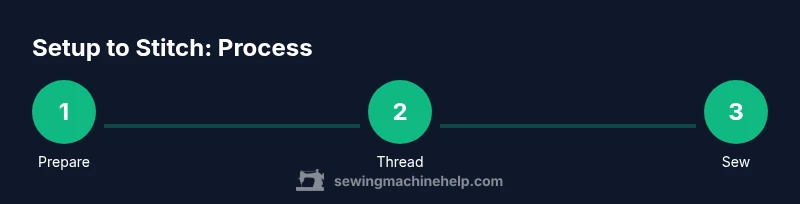
Setting up begins with locating a stable surface and plugging in safely after turning off power. Wind a bobbin, thread the top path according to the manual, and pull up the bobbin thread before starting. Make a quick test stitch on a scrap piece to confirm tension and stitch length. This section outlines the flow you’ll use in the formal STEP-BY-STEP block, showing how small details—like threading the needle and balancing tension—make a big difference in stitch quality. Regular practice on different fabrics is essential to internalize the process and avoid common mistakes.
Stitch types and how to dial tension
Most Usha Janome machines offer a core set of stitches suitable for daily sewing: straight stitch for seams, zigzag for finishing edges, and occasional decorative stitches. To get clean results, you’ll adjust stitch length and width based on fabric type and seam allowance. Thread tension is the key lever that balances the upper thread with the bobbin thread. If the top thread shows on the bottom, tighten the bobbin case tension or loosen the top thread slightly; if the bobbin thread shows on the top, adjust the opposite way. Practice with scrap fabrics to dial in settings before working on your project.
Presser feet and accessories overview
Presser feet expand what you can do with a Usha Janome machine—from standard straight stitches to zipper insertion and buttonholes. Start with the universal foot and learn how to snap feet on and off securely. For beginners, ensure feet are clean and free of lint, and always align the foot with the needle to avoid snagging. Accessories like a seam guide, extra bobbins, and a small brush can help you manage threads and fabric more efficiently. Understanding each foot’s purpose will speed up your workflow as you tackle varied projects.
Troubleshooting common issues on Usha Janome machines
Jams, skipped stitches, and uneven feeds are common for new users. If fabric won’t move smoothly, recheck thread path, confirm the needle is correctly installed, and ensure the needle matches fabric type. If stitches are uneven, examine tension both above and below the fabric and test with scraps. Noise or rough operation may indicate lint buildup in the bobbin area—clean gently with a small brush and re-oil per the manual. Consistent practice helps you recognize patterns and fix issues quickly.
Maintenance routine to extend life
Regular maintenance keeps your Usha Janome sewing machine performing well. Wipe away lint after sewing sessions, oil only as recommended by the manual, and store the machine in a dust-free environment. Replace needles regularly and keep bobbins clean to prevent thread snags. Periodic checks of the belt (where applicable) and tensioners help prevent unexpected breakdowns. Create a simple maintenance calendar and stick to it, so your machine remains reliable for future projects.
Safety considerations for beginners
Always unplug before changing needles or lifting the presser foot. Use the correct needle size for fabric type to avoid needle breakage. Keep fingers away from the needle area when testing stitches, and never sew across pins. Work in a well-lit area and wear eye protection if needed when handling small or intricate details. Safe habits early on prevent accidents and build long-term confidence in your sewing practice.
Tools & Materials
- Usha Janome sewing machine manual(Keep handy for model-specific threading and troubleshooting)
- All-purpose polyester sewing thread(Choose weight 40-50; match needle size to fabric)
- Bobbin case and plastic bobbins(Use standard bobbins compatible with your model)
- Sewing machine oil(Only use machine-grade oil; 1-2 drops in service points)
- Small screwdriver set (Phillips #1-2)(For needle plate and tension adjustments)
- Needles (universal, size 14/16)(Keep backups for different fabrics)
- Sharp fabric scissors(Clean cuts improve seam quality)
- Sewing seam ripper(Helpful for quick fixes and precise removal)
- Lint brush(Clean lint from bobbin area after stitching)
- Measuring tape(For hems and precise seam allowances)
- Sewing machine cover(Protect from dust between sessions)
Steps
Estimated time: 30-45 minutes
- 1
Set up on a stable surface
Place the machine on a stable table, plug power after turning off the switch, and ensure the foot pedal is accessible. Confirm your machine is level to avoid vibration that can skew stitches.
Tip: Double-check the power switch and make sure your cords are not frayed before plugging in. - 2
Wind bobbin and thread the top path
Wind the bobbin correctly and insert it into the bobbin case. Thread the top path following the Usha Janome manual, ensuring the thread sits in guides without crossing or snagging.
Tip: Test a small stitch on scrap fabric to verify the top thread sits evenly with no loops. - 3
Thread the needle and raise the bobbin thread
Thread the needle from front to back and pull the needle thread under the presser foot to meet the bobbin thread, leaving a small length to form a balanced stitch.
Tip: Use a needle threader if your model includes one to reduce eye strain and mistakes. - 4
Select stitches and adjust tension
Choose a basic straight stitch for a test seam, then adjust stitch length to suit fabric. If thread strands pop on the underside, fine-tune tension using the tension dial or slider as recommended in the manual.
Tip: Start with center tension and fabric-friendly settings; adjust gradually in small increments. - 5
Test on scrap fabric
Sew a short seam on scrap fabric to check stitch quality, feed, and pressure. Look for balanced stitching on both sides and adjust as needed before sewing your actual project.
Tip: Keep scrap fabric in the same weight family as your final project for accurate results. - 6
Regular maintenance and safe storage
After sewing, clean lint with a brush, oil per manual, and store the machine in a clean area. Regular maintenance reduces jams and prolongs machine life.
Tip: Create a simple quarterly maintenance routine and stick to it.
Your Questions Answered
How do I thread a Usha Janome sewing machine?
Threading usually follows a path through guides to the needle. Consult your model’s manual for the exact route, then pull up the bobbin thread before starting. Practice on scraps to confirm proper tension.
To thread your machine, follow the guides on the path to the needle and lift the bobbin thread. Practice on scraps to confirm proper tension.
What should I do if stitches are uneven or looping?
Check both top thread tension and bobbin tension. Re-thread the machine, use fresh needles, and test on scrap fabric. Adjust tension gradually and retest.
Check the top and bobbin tensions, re-thread, and test on scrap fabric. Make small tension adjustments as needed.
Can I use any thread with Usha Janome machines?
Use good-quality sewing thread appropriate for the fabric weight. Avoid low-quality or lint-prone threads that cause jams and poor stitch formation.
Use quality sewing thread appropriate for your fabric; poor thread quality causes jams and uneven stitches.
Where can I find the user manual for my model?
manuals are typically available from the brand or retailer’s website and included with the machine. If you’ve misplaced yours, contact customer support or check the support section of the brand site.
Check the brand or retailer website for manuals, or contact customer support if you’ve misplaced yours.
Is it safe to oil my Usha Janome sewing machine at home?
Oil is safe when used as directed in the manual. Apply a small amount to designated points after cleaning, and avoid over-oiling which can attract lint.
Yes, but only use the recommended oil and apply a small amount to the right spots after cleaning.
Watch Video
The Essentials
- Understand common features across Usha Janome models for quick setup
- Master threading, bobbin winding, and basic stitch selection
- Use scrap fabric to dial in tension and stitch quality
- Regular maintenance prevents jams and prolongs life
- Follow safety best practices for beginner sewists