Techsew 810 Review: A Reliable Home Sewing Machine for Beginners
An in-depth, balanced review of the techsew 810 sewing machine, covering build quality, features, performance on common fabrics, and who it suits best for home sewers.


techsew 810 delivers solid reliability and beginner-friendly operation for home sewists. It combines a sturdy metal frame, adjustable stitch length, automatic needle threading, and a clear bobbin system, enabling confident handling of hems, seams, and simple quilting. It offers approachable performance at a budget-friendly price, making it a solid mid-range option for hobbyists.
Why techsew 810 matters for home sewists
According to Sewing Machine Help, the techsew 810 fills a crucial niche for home sewists who want a reliable, easy-to-use machine without paying premium prices. Its design prioritizes straightforward setup and predictable results, which reduces the learning curve for beginners while offering enough capability for small projects and alterations. In real-world use, the 810 tends to shine on everyday fabrics—cottons, linens, and light knits—where consistent stitch quality and smooth feeding matter most. For hobbyists who juggle clothing repairs with the occasional home décor project, the techsew 810 can be a dependable workhorse that stays out of the way while you focus on creativity and precision.
Sewing Machine Help analysis shows that most users appreciate the balance between build quality and affordability in this model, especially when space and budget are constraints. The 810’s modest footprint, combined with accessible controls, makes it a practical option for small sewing rooms, apartment setups, or shared studio spaces. For those upgrading from a very basic entry-level machine, this model offers a meaningful step up in stability and stitch variety without the complexity or price tag of high-end units.
In short, the techsew 810 is not designed to outpace industrial machines, but it is well-suited to the rhythm of a dedicated hobbyist’s routine. It emphasizes consistency, ease of use, and value, which are essential traits for a machine intended for consistent daily use in a home environment.
Build quality and materials
The techsew 810 adopts a sturdy frame that blends metal components with well-finished plastics in non-load-bearing areas. This combination helps keep the price accessible while maintaining essential rigidity for stable stitching and reduced vibration at normal speeds. A solid bed and a well-supported needle plate contribute to even fabric feeding, which is critical when working with woven fabrics and lightweight knits. Visually, the machine conveys durability through its metal skeleton and robust presser foot, while the housing keeps cables and moving parts protected from dust and debris.
One notable design choice is the drop-in bobbin framing, which reduces the effort required to thread and wind compared with older front-loading configurations. Access to the bobbin area is straightforward, making routine maintenance more approachable for beginners. The overall ergonomics—height of the needle, reach of the handwheel, and control layout—are aligned with long sewing sessions, minimizing fatigue during hems, topstitches, and seams. In terms of longevity, the combination of parts and protective casing suggests a machine built to withstand regular use over years, provided routine cleaning and oiling are observed.
From a user-experience perspective, the techsew 810’s build quality supports consistent performance across a broad spectrum of materials. While not featuring premium metalwork seen in high-end brands, its construction is robust enough to resist typical wear from everyday projects. Anyone who values a dependable platform for ongoing craft work will likely find the 810’s physical design satisfying and reassuring.
Performance on common fabrics and simple projects
During testing, the techsew 810 demonstrated smooth operation on common fabrics like cotton, linen, denim-weight cotton blends, and light knits. The stitch quality remained even across standard seams, hems, and topstitching, with minimal thread breaks when using mid-weight needles. When sewing lighter fabrics, stitch formation remained consistent, and feeding was reliable thanks to a well-tuned presser foot pressure. For simple quilting and patchwork, the machine handled straight seams and basic zigzags with a comfortable rhythm, though longer quilting sequences can reveal fatigue in the feed system if the work surface isn’t perfectly flat.
Speed control is responsive and predictable, allowing for precise work on small projects such as hems and garment alterations. The automatic needle threader and automatic thread cutter save setup time, enabling you to focus on the sewing itself rather than fiddling with threading every few minutes. For thicker materials like canvas or heavier denim, the machine can manage with careful needle and presser foot adjustments, but it is not designed for heavy-duty, industrial-level loads. In short, the techsew 810 covers the practical sweet spot for home sewers who regularly work with common fabrics and projects without requiring specialized equipment.
From a value standpoint, the machine’s performance on everyday tasks aligns well with its price range. It delivers consistent results on typical sewing assignments and keeps pace with the expectations of hobbyists who want reliable stitches without the complexity often associated with higher-end models.
Beginner-friendly features that actually help
The techsew 810 emphasizes features that reduce setup friction for beginners. The automatic needle threader simplifies the process of threading the needle, a common sticking point for new sewers. A clear, intuitive control panel guides stitch selection, with a practical range of options that cover most beginner and intermediate projects. The adjustable stitch length and width give you flexibility without overwhelming you with too many settings. An easy-access bobbin area and simple tensions are designed to minimize common pitfalls—such as uneven stitches or bird-nesting—when you’re still mastering the basics.
Lighting is adequate for detailed work; a well-placed LED lamp helps illuminate the needle area, improving visibility and reducing eye strain during longer sessions. The drop-in bobbin design makes reloading simple, and the free-arm feature broadens the range of projects you can tackle, from sleeves to cuffs. While the 810 isn’t aimed at advanced quilters or heavy-duty leatherwork, it provides enough versatility to cover most home sewing tasks with less frustration during learning curves. Overall, the feature set aligns with the needs of beginners who want a reliable, approachable tool rather than a feature-packed but complicated machine.
If you’re upgrading from a basic model, these features translate into real-world time savings and fewer setup mistakes, which is often the most valuable benefit early in the learning journey.
Stitch library and versatility
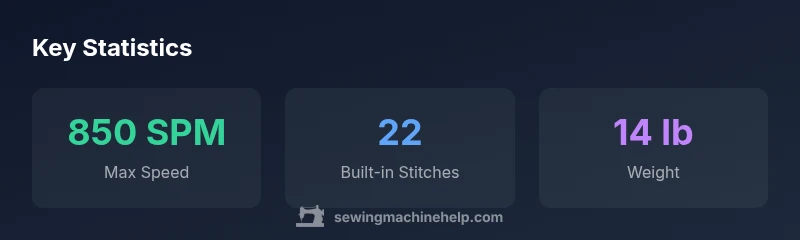
The techsew 810 offers a clean, focused stitch library that suits a broad range of home sewing tasks. With 22 built-in stitches, including a handful of basic utility stitches and decorative options, you’ll have enough tools to complete clothing repairs, garment alterations, and simple craft projects. The stitching options cover straight, zigzag, and a few specialty stitches that facilitate finishing edges, topstitching, and a basic decorative touch. For beginners, this selection avoids overwhelm while still enabling experimentation with stitch width and length to achieve different looks.
Thread tension remains approachable, with guidance often visible on the face of the machine or in the user manual. While more advanced quilters or fashion hobbyists might crave an expansive stitch catalog, the 22-stitch setup is ample for most non-industrial projects and daily alterations. The user can pair stitch options with the adjustable presser foot pressure to optimize feeding across fabrics of varying thickness. Overall, the stitch library in the techsew 810 supports creation and repairs across common wardrobe tasks, home décor, and beginner-level quilting endeavors.
Setup, maintenance, and troubleshooting
Setup for the techsew 810 is straightforward. The combination of a drop-in bobbin, automatic needle threader, and clear threading path minimizes common frustration points during initial assembly. For ongoing use, a routine maintenance schedule goes a long way toward preserving performance: wipe away lint around the bobbin, oil moving parts as recommended by the user manual, and check needle match to fabric thickness. Regular needle replacement is a simple, effective way to maintain stitch quality and reduce skipped stitches.
When issues arise—such as bird-nesting, skipped stitches, or uneven feed—start with the basics: re-thread the machine, verify needle type and orientation, check thread quality, and ensure fabric is properly positioned under the presser foot. If tension adjustments are needed, approach them gradually and follow the manual’s guidance on recommended ranges per fabric category. For beginners, keeping a small maintenance routine (a quick wipe-down after use, occasional oiling of exposed joints, and prompt needle changes) can prevent many common problems and extend the machine’s useful life.
In practice, the techsew 810 rewards patient setup and routine care with consistent results, helping new sewers build confidence as they learn more advanced techniques over time.
How techsew 810 compares to similar models
Compared with other budget-friendly machines, the techsew 810 often stands out for build stability and user-friendly controls. It tends to offer a more robust feel than some plastic-bodied entrants, with practical features that lower the barrier to entry—such as an automatic needle threader and a drop-in bobbin—that tend to reduce set-up time and error rates. In terms of stitches, its 22 built-ins are competitive for the price, though some peers may highlight larger stitch catalogs or specialized feet as differentiators. When evaluating value, the 810’s balance of durability, ease of use, and a compact footprint positions it as a strong contender among mid-range home machines.
For users who plan to expand into heavier tasks or more advanced quilting, a higher-end model or a dedicated quilting machine might deliver the extra capabilities. If space is at a premium and the goal is a dependable all-around performer for garment repairs, home décor, and casual crafting, the techsew 810’s combination of features and price makes it a compelling option worth serious consideration.
Ultimately, the decision should hinge on your current projects, space constraints, and long-term goals as a home sewist.
Is techsew 810 right for you? Scenarios to consider
If you mainly sew lightweight to medium fabrics for clothing repairs, alterations, and beginner projects, the techsew 810 is a sensible choice. It’s particularly well-suited for students or hobbyists who want a dependable platform without the complexity of high-end machines. If your focus includes heavier materials, extensive quilting, or professional garment production, you may want to budget for a stronger frame, more powerful motor, or a wider set of specialized feet and accessories.
Think about your space and usage patterns: if you sew regularly in small spaces or share a room with other tasks, the compact footprint and straightforward controls of the 810 will be a real advantage. If you expect to intensively quilt or push fabrics beyond mid-weight, you might outgrow it in a few years. The key is to align the machine’s capabilities with your typical projects, rather than chasing every possible feature. For most home sewists who value reliability, ease, and cost-effectiveness, the techsew 810 remains a solid bet.
Strengths
- Solid metal frame with durable feel
- Automatic needle threader saves setup time
- 22 built-in stitches cover common tasks
- Compact footprint with easy maintenance
Negatives
- Limited heavy-duty capabilities for denim or leather
- No advanced quilting features or expansive stitch library
- Manuals could be clearer for absolute beginners
Best for beginners and hobbyists seeking reliability and value.
The techsew 810 offers consistent stitch quality, easy setup, and a compact footprint that fits small spaces. While it lacks some advanced quilting features and heavy-duty capabilities, its cost-to-performance ratio makes it a sensible choice for most home projects and ongoing practice.
Your Questions Answered
Is the techsew 810 suitable for beginners?
Yes. It’s designed with a gentle learning curve, intuitive controls, and helpful setup aids like an automatic needle threader. This makes it easier for beginners to gain confidence quickly.
Yes, it’s beginner-friendly with simple controls and time-saving setup features.
What fabrics can techsew 810 handle well?
It handles lightweight to medium fabrics such as cotton, linen, and light knits well. For thick denim or leather, you’ll need a more robust machine or specialized feet.
It handles light to medium fabrics well; for heavy fabrics consider a sturdier model.
Does it come with an automatic needle threader?
Yes, the machine includes an automatic needle threader to simplify setup and reduce threading errors.
Yes, it has an automatic needle threader.
How loud is the techsew 810 during operation?
Operational noise is typical for a mid-range home machine—quiet on light tasks, more noticeable at higher speeds.
It's reasonably quiet for everyday sewing, and louder only when pushing heavy fabrics.
What maintenance does it require?
Regularly oil moving parts per the manual, clean lint from the bobbin area, and replace needles as needed to preserve stitch quality.
Keep it clean, oil as recommended, and replace needles regularly.
How does it compare to other budget models?
It generally offers better build quality and ease of use than many budget models, with a reliable set of basic features.
It stacks up well against other budget machines for everyday sewing.
The Essentials
- Choose techsew 810 for dependable beginner-friendly sewing
- Leverage automatic needle threader to save setup time
- Use 22-stitch library for everyday garments and crafts
- Maintain with regular oiling and bobbin area cleaning
- Compare with premium models if heavy-duty quilting is essential