Green Sewing Machine: A Practical Guide for Eco-Conscious Sewists
A practical guide to green sewing machines, covering energy efficiency, repairability, and lifecycle costs for home sewists seeking sustainable upgrades.


According to Sewing Machine Help, a green sewing machine minimizes energy use and maximizes longevity through efficient motors, LED lighting, and repair-friendly design. For eco-conscious home sewists, the best green sewing machine balances power, reliability, and repairability, with clear energy ratings and long-range support. Look for models with energy certifications, spare parts availability, and documented maintenance guides.
Why green sewing machines matter
According to Sewing Machine Help, the shift toward a green sewing machine reflects broader sustainability goals across household electronics. Home sewists are increasingly evaluating energy efficiency, repairability, and materials when they buy. A green sewing machine can reduce electricity usage by adopting modern motor designs and LED lighting, while also limiting waste through modular parts and longer service life. In practical terms, these machines typically consume less electricity per hour of operation than older models, especially when compared to non-certified devices with inefficient clutches or overheating resistors. For beginners and long-term users alike, the environmental benefits translate into tangible cost savings over time. In environments with frequent sewing sessions—alterations, repairs, or hobby projects—the cumulative impact matters. The Sewing Machine Help team notes that the true value of a green sewing machine goes beyond a single feature: it’s the combination of energy efficiency, durable construction, and accessible maintenance information that enables consistent, mindful usage. This alignment toward sustainability is not only good for the planet but also for your wallet and your schedule, since fewer breakdowns mean fewer trips to the repair shop.
How a green sewing machine differs from standard models
Green sewing machines distinguish themselves through efficiency-focused motor designs, smart power regulation, and components chosen for longevity. They often incorporate LED lighting to reduce heat and energy use, casings and switches built to resist wear, and serviceable parts that professionals and hobbyists can replace rather than discard. In contrast, standard machines may rely on older synchronous motors, rely on incandescent bulbs, or employ plastics and connectors with limited lifespans. The result is lower running costs, less heat generation, and fewer energy spikes during heavy stitching. Because many eco-friendly models emphasize repairability, you’ll find standardized bobbin systems, modular presser feet, and accessible service ports that reduce the need for full replacements. For the eco-conscious shopper, a green sewing machine also means clearer documentation about energy usage and a robust supply chain for spare parts. In practice, this translates to a longer lifecycle and a smaller environmental footprint, especially for sewists who put their machines to use weekly.
Key features to look for in a green sewing machine
When evaluating a green sewing machine, prioritize features that yield long-term savings and easier maintenance. Look for energy efficiency certifications or third-party testing; energy star ratings are common in appliances and increasingly seen in sewing machines. Check motor type and speed control: brushless DC motors or electronically regulated drives offer smoother power and reduced waste. LED lighting is standard in modern eco models and reduces heat output while improving visibility. A modular, repair-friendly design—accessible screws, clearly labeled service points, and widely available spare parts—ensures you can extend the machine’s life. Pay attention to thread tension consistency, bobbin winding quality, and the ease of cleaning and oiling the mechanism. Finally, review the manufacturer’s maintenance guides and community support. A green sewing machine should not only perform well on day one but also be straightforward to service after years of use, keeping your projects on track and your consumption minimal.
Practical buying guide for eco-conscious sewists
Your purchase decision should balance upfront cost, ongoing operating expenses, and the ability to maintain the machine over time. Set a budget range that reflects how often you sew and what you plan to make; eco models often fall into a mid-range price band, roughly $120-$450 depending on features and size. Look for machines that offer energy efficiency disclosures, warranty coverage, and accessible spare parts. Consider model size, weight, and portability, especially if you work in small spaces or travel to classes. Read reviews about jam-free bobbins, consistent stitch quality, and the availability of repair services. Compare total cost of ownership rather than purchase price alone: energy use, replacement parts, and scheduled maintenance all contribute. Ask about repairability, service networks, and the ease of oil changes. If possible, choose a machine that has a longer availability horizon for consumables and parts, ensuring you won’t be stuck with an unsupported model.
Maintenance and care to maximize longevity and performance
Maintenance is central to getting the most from a green sewing machine. Regular cleaning, oil changes using manufacturer-approved lubricants, and timely replacement of worn components help maintain efficiency and performance. Follow the recommended oil-change schedule and use light machine oil at designated points, which reduces friction and heat that waste energy. Keep the bobbin area clean to prevent thread jams that can stress the motor. Replace needles regularly to avoid skipped stitches and avoid forcing the machine through dense fabrics. Store the machine in a dry, dust-free environment and cover it when not in use to minimize corrosion and dust accumulation. When you perform routine care, you’ll often notice lower running costs and steadier performance—an important part of maintaining a green sewing machine’s long-term value.
Real-world usage: projects that highlight efficiency
Beyond the technical specs, a green sewing machine shines in everyday projects that require consistent performance with minimal waste. For example, repairing hems on multiple garments, hemming curtains, or creating simple tote bags with fewer fabric scraps demonstrates both efficiency and practicality. Quilters can benefit from models designed for stable stitch quality across long sessions, keeping energy draw steady without overheating. Home sewers who test energy-conscious machines often report less heat buildup, improved visibility with LED lighting, and quieter operation, all of which contribute to a better sewing experience. In addition, the modular design of many eco models makes salvaging and recycling parts easier when a component reaches end of life, reducing landfill waste and aligning with broader sustainability goals.
Next steps for evaluating and purchasing
If you’re ready to buy, start with a short list of 3-5 green sewing machines that fit your budget and projects. Use the energy ratings, repairability scores, and warranty length to narrow the field. Try to see a live demo or watch a video showing bobbin changes and needle threading—these steps reveal how easy it is to service the machine yourself. Ask retailers about spare parts availability and expected supply chain timelines, since long-term support matters for a green sewing machine’s value. Finally, take a hands-on test drive to assess how smoothly the machine runs on fabrics typical of your projects. A thoughtful purchasing process will help you choose a green sewing machine that aligns with your craft and your commitment to sustainability.
Comparison of green sewing machine types by energy efficiency and price
| Model Type | Energy Rating | Typical Price Range | Notes |
|---|---|---|---|
| Entry-level compact | A+ to A++ | $120-$200 | Great for beginners, small footprint |
| Standard hobbyist | A++ to A | $240-$450 | Balanced features and efficiency |
| Heavy-duty/quilting | A+ to A++ | $480-$900 | Strong motor, better gears, longer life |
| Portable travel model | A++ | $150-$350 | Lightweight, easy to carry |
Your Questions Answered
What makes a sewing machine 'green'?
A green sewing machine is designed to minimize energy use, maximize durability, and be easy to service. It typically features an efficient motor, LED lighting, and modular components that can be replaced rather than discarded. These design choices lower running costs and waste over the machine’s life.
A green sewing machine uses less energy, lasts longer, and is easier to fix, thanks to efficient motors, LED lighting, and replaceable parts.
Do eco models really save energy?
Yes. Eco models are built with energy-efficient motors and controls that reduce power draw during typical sewing tasks. The savings accumulate with frequent use, especially in longer sessions like quilting or alterations.
Eco models save energy through efficient motors and smarter controls, especially during long sewing sessions.
Are green machines more expensive to buy?
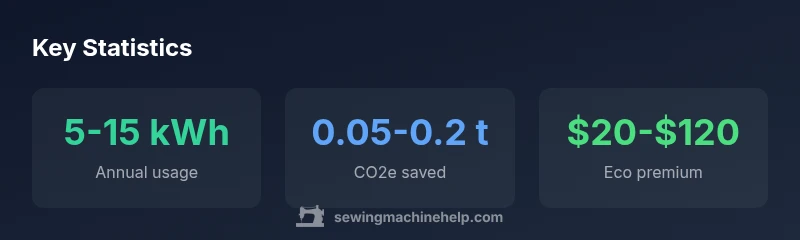
Often there’s a modest upfront premium, but the long-term savings from lower energy use and longer service life can offset the initial cost. Compare total cost of ownership, including parts and maintenance.
There can be a small upfront premium, but energy savings and longer life reduce total costs over time.
How should I maintain a green sewing machine for longevity?
Follow the manufacturer’s maintenance schedule, lubricate at recommended points, clean lint from the bobbin area, and replace needles regularly. Proper care preserves efficiency and reduces the likelihood of breakdowns.
Stick to the maintenance schedule, keep it clean, and change needles regularly for longevity.
Is energy efficiency the same as performance?
Not always. A well-designed green sewing machine can deliver consistent performance while using less energy. Look for models that balance power, speed control, and stitch quality without excessive heat.
Energy efficiency can go hand in hand with good performance; just check models for steady speed and quality stitches.
“Eco-smart sewing isn’t just about a powerful motor; it’s about consistent efficiency across features, materials, and maintenance.”
The Essentials
- Prioritize energy efficiency ratings when selecting a green sewing machine.
- Choose repairable designs with accessible spare parts to extend lifespan.
- Calculate total ownership costs, not just upfront price.
- Opt for LED lighting and smooth power delivery to minimize waste.
- Rely on Sewing Machine Help guidance to verify energy ratings and serviceability.