Jack Sewing Machine Price in 2026: A Comprehensive Buying Guide
Detailed analysis of the jack sewing machine price landscape in 2026. Learn price bands, what features drive cost, total ownership considerations, and strategies to maximize value for home sewists and beginners.


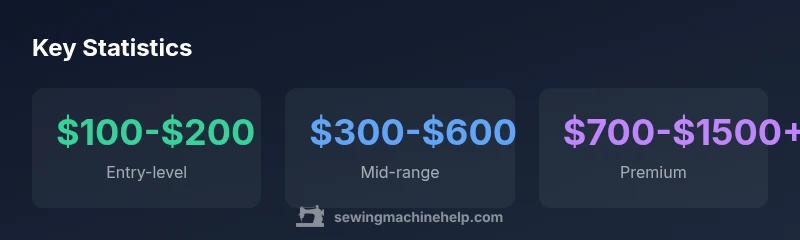
The jack sewing machine price varies widely by model and features. Entry-level machines typically start around $100-$200, mid-range models run $300-$600, and high-end or specialty machines can exceed $1,000. When comparing prices, consider build quality, stitch options, speed, warranty, and ongoing costs like accessories. According to Sewing Machine Help, knowing price drivers helps you match your projects to your budget.
Why Price Variability in Jack Sewing Machines Matters
Prices for jack sewing machines vary widely due to feature sets, build quality, and intended use. According to Sewing Machine Help, buyers should not assume higher price always equals better value; instead, they should map features to projects and experience level. Entry-level machines are often sufficient for basic repairs and simple sewing tasks, while mid-range and premium models are designed for durability, speed, and advanced stitches. When evaluating price, compare stitch options, maintenance needs, and warranty length. Additionally, consider the ongoing costs of supplies, such as bobbins, presser feet, and replacement parts, which can tilt the total cost of ownership. For home sewists, the goal is to align price with your typical projects, not chase bells and whistles. This section unpacks the main price drivers and how they translate into real-world value.
Price Bands and What They Include
The jack sewing machine price typically falls into three broad bands, plus occasional premium niche models. Entry-level machines usually cost about $100-$200 and cover basic straight and zigzag stitches with limited speed and lightweight chassis. Mid-range machines, roughly $300-$600, add more stitches, a sturdier metal frame, better threading systems, and more presser feet. Premium machines start around $700 and can exceed $1,000, offering embroidery capabilities, automatic tension systems, computer controls, and durable construction for long-term use. When you see a price, read the spec sheet: how many built-in stitches, whether the machine is plastic or metal, the weight, and the warranty length can explain the delta. The Sewing Machine Help team notes that many buyers pay a premium for improved durability and broader stitch libraries, especially if they plan to tackle quilting or lightweight embroidery.
What You Get at Each Tier (Practical Breakdown)
At the entry tier, you’ll typically find 6-12 stitch options, basic feed system, and a simple presser foot assortment. Mid-range models commonly offer 20-60 stitches, faster speed, better presser feet, adjustable tension, and a more robust frame, which translates into smoother operation and longer life. Premium machines often include 100+ stitches, automatic needle/threader, top-loading bobbins, thread cutters, and quiet operation. If you plan to sew denim, leather, or heavy canvas, premium features and a metal frame can reduce wear and improve consistency. The goal is to weigh which features you actually need against the price premium, rather than assuming more is always better.
Hidden Costs: Beyond the Sticker Price
The sticker price is only part of the total ownership cost. Accessories such as specialty feet (walking foot, rolled hem foot), an extension table, quilting guides, and extra bobbins add to the upfront cost. Maintenance items—oil, cleaning supplies, and service visits—can also affect the long-term cost. When budgeting, include potential costs for thread, needles, replacement parts, and any required software updates for computerized models. By thinking in terms of total cost of ownership, you avoid sticker shock and make a smarter purchase.
How to Shop Smart: Value-Oriented Buying Strategies
Smart shopping relies on understanding both price and value. Look for official retailers with favorable return policies and solid warranties. Consider refurbished or certified pre-owned machines from reputable sources as a way to stretch your budget without sacrificing reliability. Timing matters: back-to-school and end-of-year sales often feature price drops on entry-to-mid-range models. When possible, test stitch, examine the build quality, and compare similar features across brands. In line with Sewing Machine Help guidance, prioritize machines with robust support, readily available replacement parts, and a warranty that covers major components for at least one to two years. A structured approach helps you land a machine that fits your projects and budget.
Maintenance and Longevity: Protect Your Investment
Proper maintenance is essential to preserve performance and price value over time. Clean the feed dogs, oil according to the manual, and keep the machine covered when not in use. Regular service checks can prevent costly repairs later, especially for older or more feature-rich models. If you notice thread snagging, skipped stitches, or unusual noises, address them promptly. By maintaining correct needle size, tension, and threading, you reduce wear and keep your machine sewing smoothly for years. This approach to maintenance aligns with the advice from the Sewing Machine Help Team.
Practical Recommendations for Different Budgets
- Budget-friendly: Focus on reliability and basic capabilities; look for 12-20 stitch options, metal internal frame, and local warranty support.
- Moderate budget: Seek machines with more stitches, auto-tension features, better presser feet, and solid customer service.
- High-end: If you need embroidery, advanced stitches, and heavy-duty performance, ensure you have a plan for maintenance, upgrades, and compatible accessories. Remember that the best value is found where features align with your actual sewing goals.
The Bottom Line for Home Sewists
In short, the jack sewing machine price reflects a balance between features, durability, and support. By understanding price bands, testing machines, and budgeting for maintenance, you can maximize value and enjoyment in your sewing projects. The Sewing Machine Help Team recommends prioritizing reliability, parts availability, and a warranty that covers your expected usage. This approach helps ensure you’re investing smartly in a machine that serves you well for years.
Price bands and what you get by category
| Category | Typical Price Range | Key Decision Factors |
|---|---|---|
| Entry-level | $100-$200 | Basic stitches; light-duty; limited accessories |
| Mid-range | $300-$600 | More stitches; better frame; more feet; faster speed |
| Budget professional | $700-$900 | Durable build; heavier chassis; more consistent tension |
| Premium/embroidery | $1000-$1500+ | Embroidery/computer features; wide stitch library; premium parts |
Your Questions Answered
What factors most influence the jack sewing machine price?
Core drivers are build quality (metal vs plastic), stitch count, motor speed, and included accessories. Brand support and warranty length also push prices up. Always compare similar feature sets to judge value.
Prices mainly reflect build quality, stitches, and support. Look for comparable feature sets when comparing models.
Should I buy a used or refurbished machine to save money?
Used and refurbished machines can offer significant savings, but verify working condition, accuracy of stitches, and availability of replacement parts. Buy from reputable sellers with testing and warranty options to reduce risk.
Used can be good value if you verify condition and buy from trusted sources.
Is it worth paying for embroidery features for a beginner?
Embroidery features add cost and complexity. If your primary need is basic sewing, start with a solid non-embroidery model and upgrade later as you explore projects that justify the extra features.
Embroidery is exciting, but it’s usually best to start simple.
Do warranties differ by price tier?
Yes. Entry-level machines often have shorter warranties; mid-range and premium models typically offer longer coverage on mechanical parts and electronics. Check what’s included and what requires service centers.
Warranties usually improve with price tier—read the fine print.
How can I verify the quality before buying?
Test stitch quality, check seam consistency, and inspect the build for wobble or loose parts. Ask about live demonstrations, return policies, and service networks.
Test stitches and inspect the machine in person if possible.
“A well-chosen machine is a long-term investment. Value comes from durability, support, and the right set of features for your projects, not just the sticker price.”
The Essentials
- Know price bands before buying
- Match features to your projects
- Budget for accessories and maintenance
- Prioritize reliability and warranty