Janome Jem Platinum 760: A Complete How-To Guide
Comprehensive how-to guide for the Janome Jem Platinum 760. Learn setup, threading, stitch options, maintenance, troubleshooting, and accessory recommendations for home sewers.


By following this guide, you will set up, thread, stitch, and maintain the Janome Jem Platinum 760 for reliable sewing. You'll learn safe startup, correct threading paths for upper and bobbin threads, basic maintenance, and quick troubleshooting steps for common issues. This step-by-step approach is designed for home sewists using the Jem Platinum 760.
Janome Jem Platinum 760: Overview and Key Specs
According to Sewing Machine Help, the Janome Jem Platinum 760 is a versatile workhorse for home sewists. It is designed to provide stable stitching and smooth feeding across a range of fabrics, from lightweight cotton to medium-weight denim. Expect a solid stitch quality, a user-friendly interface, and dependable feature sets that make this model suitable for beginners and intermediate sewers alike. When evaluating the Jem Platinum 760, focus on core capabilities such as needle-threading ease, a reliable bobbin system, adjustable presser foot pressure, and a responsive foot pedal. For those who sew frequently, this machine typically supports multiple stitch types, an automatic threader, and a drop-in bobbin that is easy to load. Sewing Machine Help emphasizes that the system’s balance between complexity and usability helps you learn faster while delivering consistent results across projects.
Getting Ready: Unboxing and Initial Setup
Before you start, prepare a clean workspace with good lighting. Unbox the Jem Platinum 760 and verify all components were included: machine, power cord, foot control, presser feet, spare bobbins, and user manual. Place the machine on a sturdy table at a comfortable height. Connect the power, turn on the machine, and test the basic functions with scrap fabric. Review the manual to understand safety features, thread tensions, and the recommended cleaning schedule. Sewing Machine Help recommends keeping a small log of setup steps and any adjustments you make to the tension or stitch length for future reference.
Gasped: Threading Path and Bobbin Handling
Threading the Janome Jem Platinum 760 correctly is essential for balanced stitches. Start by threading the upper thread through the guides from the spool to the needle, then thread the take-up lever and tension discs as described in the manual. Insert the bobbin into the bobbin case with the thread unwinding in the correct direction, and pull the thread through the bobbin slot. Gently pull to ensure the bobbin is seated properly. A common cause of skipped stitches or uneven tension is incorrect bobbin placement or an incorrectly threaded upper path. Take time to practice on scrap fabric until you are consistent. A clean, lint-free bobbin area reduces friction and improves stitch quality.
Stitch Library, Feet, and Settings
The Jem Platinum 760 offers a versatile stitch library that supports basic, decorative, and stretch stitches. Choose stitches based on fabric type and project goals; begin with straight and zigzag stitches for most woven fabrics and switch to stretch stitches for knits. Understanding presser feet is essential: the standard foot is great for general seaming, while specialized feet (such as a walking foot oroveredge foot) expand your capabilities. Adjust stitch length and tension to suit fabric weight; darker fabrics may require lower tension to avoid prints that pull fabric. Always test on a small swatch to dial in the settings before committing to a project. Sewing Machine Help recommends keeping a small reference card with your most-used stitch settings for quick access during projects.
Safe and Efficient Sewing Habits
A smooth sewing session depends on a few habits: keep needles sharp and appropriate for fabric type, align fabric edges before stitching, and avoid forcing the fabric if the machine slows. Use a walking foot for bulky layers to prevent shifting, and replace needles after projects that involve thick materials or frequent needle breaks. Maintain consistent pressure with the presser foot, and guide fabric with your hands rather than pushing. The Jem Platinum 760 is designed to be beginner-friendly, but consistent technique yields superior results over time. Sewing Machine Help stresses practicing on practice swatches to build muscle memory and confidence.
Maintenance and Cleaning: Keeping Your Jem Platinum 760 in Prime Condition
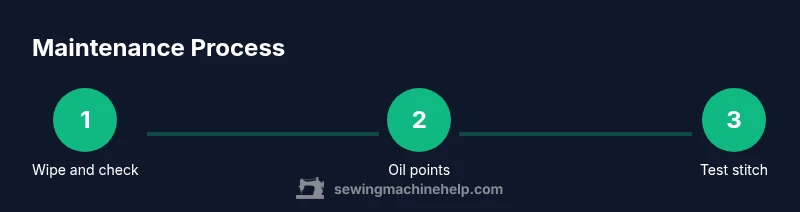
Regular maintenance extends the life of your machine and minimizes downtime. After each project, clean lint from the bobbin area and feed dogs with a small brush. Oil the recommended points as described in the user manual—do not over-oil, and avoid applying oil to the needle or presser foot area. Schedule a deeper cleaning and lubrication every 6–12 months based on usage, and have the machine serviced by a professional if you notice persistent skipping stitches, thread shredding, or unusual noise. A clean machine stitches more evenly and reduces thread breakage. Sewing Machine Help notes that consistent maintenance helps preserve needle longevity and improves overall reliability across seasons.
Common Problems and Quick Fixes
Uneven stitches or thread nests can usually be traced to tension, threading, or needle issues. If the upper thread loops on the bottom, rethread the path and reinsert the needle. If stitches are skipped, check needle type and replace with a fresh needle of appropriate size for your fabric. A noisy machine may indicate lint buildup or loose screws; power down and inspect the bobbin area, then wipe away lint and re-tighten any loose components. For fabric bunching, adjust thread tension and lower presser foot pressure as needed. Classroom and hobbyist testing with Scrap Fabric will help you identify patterns and solutions quickly.
Accessories, Upgrades, and How to Get the Best from Your Jem Platinum 760
Consider upgrading to specialty presser feet, such as a walking foot for quilt layers or an overcasting foot for finishing raw edges. Ensure compatibility with the Jem Platinum 760 and your chosen projects. Keep spare bobbins, needles in multiple sizes, a seam ripper, and fabric scissors within easy reach. If you ever find your needles breaking frequently, verify you are using the correct needle type for your fabric (for instance, ballpoint for knits and sharp needles for woven fabrics). Regular practice with different fabrics expands your skill set and helps you choose the right tools for future projects. The Sewing Machine Help team recommends keeping an organized workspace and documenting settings that work best for each fabric type.
Authority Sources
For broader safety and equipment guidance, refer to authoritative resources on electrical safety and consumer products:
- https://www.cpsc.gov/ (U.S. Consumer Product Safety Commission)
- https://www.osha.gov/ (Occupational Safety and Health Administration)
- https://www.nist.gov/ (National Institute of Standards and Technology)
These sources provide general best practices for safe operation and maintenance of electrical appliances, which complements model-specific guidance for the Jem Platinum 760.
Safety, Storage, and Longevity Tips
Always unplug the machine before changing needles, adjusting tension, or performing maintenance. Store the machine on a stable surface away from high humidity and dust. Cover it with a breathable cover to protect the exterior from dust while allowing air circulation. Regularly inspect cords for wear and replace damaged components promptly. By adopting a routine of safe handling and proper storage, you will extend the life of your Jem Platinum 760 and enjoy consistent results project after project.
Tools & Materials
- Sewing machine oil (as recommended by manual)(Use the exact oil type specified; avoid over-application)
- Phillips and flat-head screwdriver set(Small sizes for screws in the needle plate and accessory drawer)
- Lint brush or small brush(For cleaning lint from bobbin area and feed dogs)
- Microfiber cloth(Wipe exterior and clean contact surfaces)
- Spare bobbins (plastic preferred)(Wound in matching thread type and color)
- Assorted sewing machine needles (sizes 70/10 to 90/14)(Use appropriate needle for fabric weight and type)
- Automatic needle threader (if included)(Optional but helpful for one-handed threading)
- Owner's manual (hard copy or PDF)(Keep handy for reference to model-specific steps)
- Presser feet assortment (zipper foot, walking foot, overedge foot)(Select based on project needs)
Steps
Estimated time: 60-90 minutes
- 1
Power and prep
Ensure the machine is unplugged when assembling or adjusting components. Place the machine on a stable surface with good lighting. Confirm you have the manual nearby for quick reference and prepare a scrap fabric for test stitching.
Tip: Keep a small log of settings you use for different fabrics. - 2
Wind and insert bobbin
Wind a bobbin evenly and place it in the bobbin case with the thread unwinding in the correct direction. Pull the thread through the slot until snug, then secure it.
Tip: Use a thread weight that matches your project; avoid thin or overly thick threads. - 3
Upper thread path
Thread the spool, guides, and take-up lever following the path shown in the manual. Bring the thread down to the needle and thread through the needle eye from front to back.
Tip: Always leave the take-up lever at the top when starting; this prevents tangles. - 4
Lower thread and bobbin cover
Place the needle in its highest position, hold the upper thread, and rotate the handwheel toward you to pick up the bobbin thread. Gently pull both threads to the back under the presser foot.
Tip: Test by pulling gently to ensure both threads come to the back. - 5
Test stitch on scrap fabric
Select a basic straight stitch and sew a few inches on scrap fabric. Check for even feed, proper tension, and clean hook-up between upper and lower threads.
Tip: Adjust tension if loops appear on the underside. - 6
Needle and foot selection
Install the needle appropriate for your fabric and attach the foot that matches the stitch you plan to use. Tighten screws securely after changing feet.
Tip: Always use the correct needle type to avoid fabric damage. - 7
Adjust tension and stitch length
Set stitch length and upper thread tension suitable for the fabric. For delicate fabrics, use a shorter stitch and lighter tension; for denim, increase stitch length and tighten slightly.
Tip: Test on swatches before final sewing. - 8
Sew a test seam
Sew a longer seam on scrap to verify even feeding and stitch quality. Check seam alignment and fabric behavior; adjust as needed.
Tip: Keep hands guiding the fabric; do not push. - 9
Power down and clean
Turn off the machine and unplug before cleaning. Gently brush lint from the bobbin area and feed dogs, then wipe with a microfiber cloth.
Tip: Schedule routine maintenance after several hours of sewing.
Your Questions Answered
What fabrics are best suited for the Jem Platinum 760?
The Jem Platinum 760 handles a wide range of fabrics, from light cotton to medium-weight denim. Start with weight-appropriate needles and test on scraps to dial in tension and stitch length for each fabric type.
The Jem Platinum 760 works well with many fabrics. Begin with light fabrics like cotton and test on scraps to set tension and stitch length before sewing your project.
How often should I oil and service the machine?
Oil according to the manual’s schedule, and have a professional service if you notice persistent issues like skipping stitches, loud noises, or thread shredding. Regular basic cleaning can be done by the user.
Oil as the manual recommends and get professional service if problems persist. Clean regularly to keep it running smoothly.
Can I use generic presser feet with this model?
Most generic presser feet are compatible if they are sized for low-shank machines and fit the Jem Platinum 760. Check the foot compatibility in the manual and purchase feet from reputable brands.
Yes, many generic feet will work if they’re compatible with low-shank machines; confirm fit in the manual.
What should I do if stitches appear loose or uneven?
Recheck threading paths, confirm needle is fully inserted, and adjust upper thread tension. If the problem persists, test with scrap fabric and consider a needle change.
Check threading and tension, test on scraps, and replace the needle if needed.
How do I store the machine safely when not in use?
Store on a stable surface away from dust and humidity, cover with a breathable cover, and keep cords untangled. Regularly inspect the power cord for wear.
Keep it on a stable surface, cover it, and check the cord to prevent wear.
Watch Video
The Essentials
- Master the Jem Platinum 760 threading to ensure balanced stitches
- Use appropriate feet and needles for fabric types
- Maintain a regular cleaning and lubrication routine
- Troubleshoot by checking thread path and tension settings