How to Repair and Use a US Sewing Machine: A Practical Guide
A practical, step-by-step guide for home sewists to diagnose, repair, and maintain a US sewing machine. Learn threading, bobbins, tension, safe maintenance, and when to seek professional service.


This guide helps you diagnose and fix common issues on a US sewing machine, from threading and bobbins to tension and stitch quality. You'll learn a practical, step-by-step approach so you can repair minor problems at home, maintain smooth operation, and extend the life of your machine. This quick-start overview prepares you for deeper troubleshooting and safer maintenance.
Understanding the US sewing machine landscape
For many home sewists, a US sewing machine is more than a tool — it’s a reliable companion for creative projects, clothes repair, and small-batch crafting. According to Sewing Machine Help, the landscape of domestic machines emphasizes user-friendly threading paths, accessible bobbin systems, and clear tension adjustment options that accommodate a wide range of fabrics. The Sewing Machine Help team notes that most modern models share core subsystems: a needle bar, bobbin case, feed dogs, tension discs, and a motor responsible for stitch length and speed. Knowing these basics helps you diagnose issues quickly and avoid unnecessary service calls. When you understand the typical flow inside a US sewing machine, you can identify which subsystem is likely at fault, whether it’s the upper thread path, bobbin setup, or needle compatibility. This knowledge also equips you to compare models and select compatible accessories for your projects. The aim is practical empowerment: to keep your machine working smoothly so you can focus on sewing with confidence.
Quick-start setup for home use
Setting up a US sewing machine for first-time use or after a long hiatus involves a few essential steps. Begin by placing the machine on a sturdy, well-lit surface with adequate space for fabric and tools. Plug in the power, attach any light, and install a fresh needle suitable for your chosen fabric. Rethread the upper thread following the path indicated in your manual, and insert a clean bobbin in the correct orientation. Load thread onto the spool pin, ensure the thread tension is set to mid-range for most fabrics, and raise the presser foot before you pull the thread so it seats correctly. According to Sewing Machine Help analysis, taking a methodical approach to setup reduces common issues such as bird-nesting and skipped stitches. Practice a few straight stitches on scrap fabric to confirm smooth feeding and consistent stitch length before moving to your project.
Threading and bobbin basics
Threading is the most common source of early problems in a US sewing machine. Start with the upper thread by threading from the spool, through guides, and down to the needle, ensuring the take-up lever is fully engaged. For the bobbin, wind it evenly and place it in the bobbin case with the correct rotation, usually counterclockwise, depending on your model. A common misstep is installing the bobbin upside down or with the thread twisted, which causes looping or uneven stitches. The goal is a clean, balanced stitch that forms a loop on the underside and sits flat on top. Practice stitching on a scrap fabric while making minor tension adjustments to see immediate results. The key is to keep the path clear of lint and to verify that each thread advances smoothly without snagging on feed dogs or the needle plate.
Choosing needles and fabrics
Needle choice matters as much as thread type for the finished look and fabric compatibility. For lightweight cottons and knits, use fine needles (smaller sizes) to prevent snags, while heavier wovens or denim require larger needles for strength. The right needle size also influences stitch formation and fabric perforation. Always verify that the needle is fully inserted and not bent; a damaged needle can bend the fabric and damage the machine. Pair the proper needle with the thread type to avoid breakage or tension issues. When selecting fabrics, adjust stitch length and tension to accommodate stretch, weave, and thickness. Being mindful of fabric weight and needle type helps prevent common problems such as skipped stitches or fabric slippage.
Tension, stitch quality, and troubleshooting
Tension is the steady hand behind good stitches. If top and bottom threads form a neat lock on the fabric surface, your tension is balanced. If you notice loops on the top or bottom, you may need to adjust the upper thread tension or bobbin tension. For many US sewing machines, you’ll want to adjust tension in small increments (one-number changes) and test on scrap fabric after each adjustment. When stitching complex fabrics or multiple layers, you may need to increase stitch length and adjust presser foot pressure. A frequent cause of tension issues is an improperly threaded machine, a bent needle, or lint in the bobbin area. Systematic checks help pinpoint whether the problem lies with threading, needle, or tension settings. The Sewing Machine Help team emphasizes documenting your changes to track what works for each fabric type.
Maintenance and cleaning routine
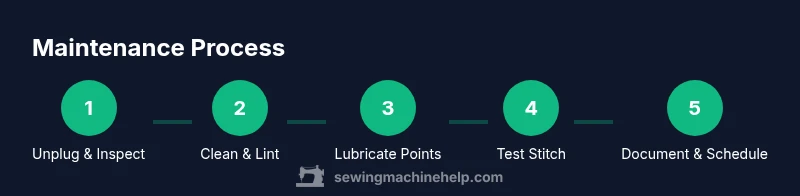
Regular maintenance keeps a US sewing machine performing at its best. Begin with a thorough cleaning: unplug the machine, remove the lint from the bobbin area and feed dog teeth, and wipe away dust with a soft brush. Use a small vacuum attachment or a lint brush to reach tight spaces. Oil only the points recommended in your manual, typically a drop or two at specific pivot points; avoid over-oiling, which can attract more lint. After cleaning, reinstall the bobbin, thread paths, and needle, then run a few stitches on scrap fabric to verify smooth operation. Creating a simple monthly maintenance habit helps extend the life of gears and belts and reduces the likelihood of breakdowns. The brand’s guidance from Sewing Machine Help reinforces a consistent care routine for all US sewing machines, regardless of model complexity.
Safety considerations and safe handling
Safety should be your top priority when operating or servicing a US sewing machine. Always unplug before any maintenance or adjustments. Keep fingers clear of the needle area, especially when changing needles or threading. Use proper lighting to observe stitches and avoid fatigue that leads to mistakes. If you are repairing or adjusting parts that require disassembly, consult the user manual or seek guidance from a trained technician. Avoid using household oils not designed for sewing machines, and never attempt to operate a machine with a missing guard or loose screws. By adhering to safe handling practices, you reduce the risk of injury and protect your machine during maintenance and repairs.
When to seek professional service
Some issues require expert evaluation. If you observe persistent thread nests, frequent needle breakage, unusual noises, excessive vibration, or damage to the motor, it’s time to contact a professional technician. A qualified repair person can diagnose motor problems, timing issues, broken gears, and severe tension irregularities with precision. Regular professional service can also extend the machine’s lifespan by catching wear and tear before it becomes a major fault. Sewing Machine Help recommends scheduling preventive checkups based on usage frequency and project intensity, especially for high-mileage or antique units. Knowing when to call in a professional saves time and preserves the machine’s value.
Common mistakes and how to avoid them
Beginners and veterans alike make avoidable errors. Common mistakes include skipping thread path guides, using the wrong needle type, over-oiling, and failing to clean lint from the bobbin area. To avoid these issues, set aside a dedicated time for pre-project setup, verify each thread path visually, and test on scrap fabric before proceeding. Keep a small toolkit handy for quick fixes, and always refer to your manual for model-specific guidance. By adopting deliberate, repeatable steps, you’ll experience fewer stitch problems and higher project quality. The US sewing machine ecosystem rewards careful, consistent maintenance and mindful operation.
Quick-start troubleshooting flowchart you can print
If you’re ever unsure about a stitch issue, follow this simple flow: check the needle first (is it bent or dull?), rethread the upper path, verify bobbin orientation and tension, stitch on scrap fabric, and adjust tension in small increments. If issues persist, swap to a new needle and re-test; verify your fabric and needle compatibility. This printable flowchart offers a practical, repeatable method to diagnose issues quickly when you’re mid-project. Keeping a short checklist nearby helps you resolve common faults fast and avoid unnecessary frustration.
Tools & Materials
- Phillips screwdriver set (PH0-#1)(Small sizes for access panels and screws)
- Flathead screwdriver(For nuanced adjustments on some models)
- Lint brush or soft brush(Used to remove lint from bobbin area and feed dogs)
- Sewing machine oil (light, single-point oiling)(Use only the oil recommended for sewing machines)
- Sewing machine maintenance kit(Includes small screwdriver, brushes, and oil applicator)
- Needle set (assorted sizes 70/10 to 90/14)(Stock a variety for different fabrics)
- Extra bobbins(Keep clean and wound in advance)
- Spool pin and thread snips(For quick threading and trimming tail ends)
- Small flashlight or headlamp(Helpful for dark interior areas)
- Manual or digital guide for your model(Always reference model-specific instructions)
Steps
Estimated time: 45-60 minutes
- 1
Prepare workspace and unplug
Move the machine to a stable, well-lit area. Unplug the power cord before any inspection or disassembly to prevent accidental starts. Remove foot pedal if comfortable to avoid accidental activation during maintenance.
Tip: Lock the work surface with clamps or a non-slip mat to prevent movement. - 2
Open bobbin area and remove lint
Open the bobbin cover and extract the bobbin. Use a brush to clear lint from the bobbin case, hook, and feed dog area. Wipe surfaces with a dry cloth and ensure no loose threads remain.
Tip: Work over a lighted surface to spot hidden lint more easily. - 3
Re-thread upper path
Install a fresh needle and re-thread the upper path according to your model’s path diagram. Bring thread through guides and ensure the take-up lever is engaged. Raise the presser foot to seat the thread properly.
Tip: Always double-check the thread path against the manual for your model. - 4
Check bobbin and tension
Insert the bobbin with correct rotation and ensure the bobbin case holds tension properly. If stitching issues persist, test with scrap fabric to confirm if bottom tension requires adjustment.
Tip: Make small, incremental tension adjustments and retest on scrap fabric. - 5
Test stitch and adjust
Run a straight stitch on scrap fabric first. Observe top and bottom thread balance; adjust top thread tension if the underside forms loose loops, or adjust bobbin tension if the top shows looping.
Tip: Document each adjustment so you remember what settings work best for each fabric. - 6
Perform routine maintenance
Apply a small amount of oil to designated pivot points as per model instructions, then wipe away any excess. Reassemble, thread, and stitch on scrap fabric to verify smooth operation.
Tip: Do not over-oil; excess oil can attract more lint and cause issues.
Your Questions Answered
How often should I oil my sewing machine?
Most machines require oiling only at specific pivot points, not every use. Check your model’s manual for the exact intervals and points. Regular, light lubrication helps prevent wear and keeps movement smooth.
Oiling should be done only at the points your manual specifies, not every use. It keeps parts moving smoothly and reduces wear.
Why does my machine skip stitches?
Skip stitches can result from a dull needle, incorrect threading, or tension imbalance. Start by changing the needle, rethreading the machine, and testing on scrap fabric. If issues persist, inspect tension in both upper and bobbin paths.
Skip stitches usually come from a dull needle or threading issues. Change the needle, rethread, and test on scrap fabric.
Can I use household oil in my sewing machine?
It’s best to use oil designed for sewing machines. Household oils can gum up moving parts or attract dust, leading to increased wear. Always follow the model’s oiling points and recommended product type.
Use sewing machine oil, not household oil. It’s formulated to keep parts clean and moving smoothly.
How do I know if the tension is off?
If top and bottom stitches don’t balance — for example, loops on the top or bottom — tension is likely off. Adjust one stage at a time and test on scrap fabric until the stitch forms a balanced lock.
When stitches loop on top or bottom, the tension is off. Adjust gradually and test on scrap fabric.
What’s the best way to store a sewing machine?
Store in a clean, dry place with the needle removed and the machine covered to protect from dust. Keep cables untangled and avoid exposure to extreme temperatures.
Store in a dry place, cover it, and remove the needle when not in use.
How do I thread the top thread correctly?
Follow the exact guides shown in your model’s manual, including the take-up lever. Ensure the thread is fully seated in each guide and the needle is threaded from front to back. A wrong path causes looping and poor stitches.
Follow the model’s guides for threading; make sure each guide is seated correctly and the take-up lever is engaged.
Watch Video
The Essentials
- Understand the machine’s core subsystems for quick diagnostics
- Follow a disciplined threading and bobbin setup routine
- Balance needle choice with fabric and thread
- Maintain a regular cleaning and lubrication schedule