Threading a Husqvarna Sewing Machine: Step-by-Step
Learn the exact steps to thread a Husqvarna sewing machine with confidence. This guide covers upper threading, bobbin setup, tension tips, and troubleshooting for beginners.


By following this step-by-step guide, you’ll learn how to thread a Husqvarna sewing machine quickly and correctly. Start with the right spool and bobbin, raise the needle, and follow the designated thread path through the upper threading tower and tension discs. Finish by testing on scrap fabric and adjusting tension as needed.
Before You Begin: Understanding the Husqvarna threading path
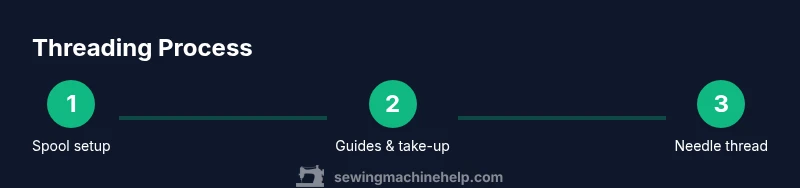
Threading a Husqvarna sewing machine becomes straightforward once you understand the path your thread travels. The upper thread weaves through a series of guides, a take-up lever, and tension discs before reaching the needle. The bobbin thread travels in the bobbin case and interlocks with the upper thread from beneath the fabric. When done correctly, you’ll enjoy smooth stitches and fewer jams. According to Sewing Machine Help, starting with clean guides and a properly set take-up lever makes the rest of the process faster and more reliable. Take a moment to consult your model’s user manual for any model-specific twists, especially Husqvarna’s latest features that may add an extra thread guide or a built-in threader.
Gather the Right Materials
Before you begin threading, assemble the essentials. A fresh spool of thread that matches your fabric weight, a bobbin wound with the same thread, a sharp pair of scissors, and a clean bobbin case are your basics. If your Husqvarna model has an automatic needle threader, keep the needle threader available and ready. A well-lit workspace and a scrap piece of fabric for testing are also highly recommended. Keeping the manual on hand can help you navigate model-specific guides or steps that differ from your standard path. Sewing Machine Help recommends verifying the thread type and weight for the needle and fabric to prevent lace or loose stitches.
Prepare the Spool, Spool Pin, and Bobbin
Place the spool on the spool pin with the thread unwinding toward you, then secure it with a spool cap. Draw the thread through the first thread guide to avoid looped tangles. Wind a bobbin evenly and place it in the bobbin case according to your machine’s orientation. If your model uses a vertical attachment for the bobbin, insert with the notch facing the same direction as the take-up lever. Ensuring the bobbin is wound evenly and seated correctly prevents inconsistent stitches and tension problems.
Upper Thread Path: Guides, Take-Up Lever, and Tension Discs
Thread starts from the spool, goes through the top thread guides, then down into the take-up lever, and finally through the tension discs. Make sure the thread is properly seated in each guide to avoid thread jams. On Husqvarna machines, there is often a clear path marked on the surface or printed in the manual; follow those arrows if present. After passing through the last guide, bring the thread toward the needle but do not yet thread it through the needle eye. A small tug can confirm the path is correctly seated.
Threading the Needle: Using a Needle Threader When Available
If your Husqvarna features an automatic needle threader, engage it and allow the mechanism to complete the threading for you. If not, thread the needle manually, ensuring the thread exits the eye from front to back. A helper tool like a crochet hook can assist threading through tight eyes. Pull a few centimeters of thread through the needle to ensure there’s enough slack to prevent pulling from the needle during sewing. Practice pulling from behind the needle rather than in front to maintain tension consistency.
Bobbin Winding, Insertion, and the Bobbin Case
Wind the bobbin evenly and avoid overfilling it. Place the bobbin into the case with the thread unwinding in the correct direction, usually counterclockwise for many models. Thread the bobbin case as directed by your manual, ensuring the thread lies in the tension spring and lies flat on the bobbin. When inserting into the machine, make sure the bobbin catches engage properly and that the bobbin spins freely in the case. Incorrect bobbin winding or misplacement often causes thread nests beneath the fabric or skipped stitches.
Test Your Stitch and Adjust Tension
After threading, place scrap fabric under the presser foot and test stitch on a small, controlled area. Check for balanced stitches, no thread bunching, and consistent feed dogs. If the upper thread pulls to the bottom or the bobbin thread shows on the top, adjust tension using your model’s dial or tension knob. Small, incremental changes yield the best results without sacrificing stitch quality. Most issues originate from a misrouted thread path or an incorrectly wound bobbin.
Troubleshooting Common Threading Issues
Common problems include bird-nesting on the back, loose stitches, and thread breakage. Recheck the upper thread path for any skipped guides, verify the needle is correctly installed (not bent), and ensure the needle is compatible with your fabric weight. If thread keeps breaking, examine the needle eye for burrs and replace the needle if needed. For Husqvarna users with a thread sensor, ensure the sensor is clean and free of lint that might misread thread presence.
Husqvarna-Specific Tips and Features
Many Husqvarna machines include helpful features such as automatic needle threaders, thread guides marked on the chassis, and a threading indicator that confirms alignment. Always consult your specific model’s manual for any unique guides or steps. The presence of a threader simplifies the process, but if it ever jams, switch to manual threading briefly and re-engage the mechanism. Practicing on scrap fabric will reinforce the correct path and speed, especially if you’re new to Husqvarna models.
Final Checks and Maintenance After Threading
Once threading is complete, check that the thread nest is cleared and the fabric moves smoothly under the foot. Store the spare thread and tools in a tidy area to prevent tangling before your next project. Regular cleaning of lint from the bobbin area helps sustain consistent tension. Remember to re-thread whenever you change fabric weight or stitch type to preserve stitch quality over time.
Tools & Materials
- Sewing thread (spool)(Fresh spool of the correct weight for your fabric)
- Bobbin(New bobbin wound with the same thread weight)
- Scissors(Small, sharp scissors or thread snips)
- Husqvarna manual(Model-specific threading path and guides)
- Needle threader (optional)(Useful if your model supports it)
- Good light/source of illumination(A bright workspace helps avoid mistakes)
- Troubleshooting guide or scrap fabric(Test fabric is essential to confirm threading accuracy)
Steps
Estimated time: 5-10 minutes
- 1
Prepare the machine and materials
Turn off the machine and unplug it. Raise the presser foot, remove the throat plate if needed for easier access, and clear the area around the needle. Gather the spool, bobbin, scissors, and manual so everything is within reach. This ensures you won’t pause mid-step to search for a tool.
Tip: Have a well-lit area and ready scrap fabric to test the first stitch. - 2
Wind and place the bobbin
Wind the bobbin evenly with the same thread you’ll use for the upper thread. Place the bobbin in its case with the thread unwinding in the correct direction. Install the bobbin case into the machine as directed by the manual.
Tip: Don’t overfill the bobbin and ensure it spins freely when you pull the thread. - 3
Set the upper thread path
Place the spool on the pin with the thread feeding toward you. Guide the thread through each upper thread guide, down into the take-up lever, and through any tension discs. Ensure the thread sits neatly in each guide without looping.
Tip: If your model has a threading indicator, align the thread path with it for quick verification. - 4
Thread the needle
Manual threading or using the needle threader, bring the thread to the eye of the needle and pass it through from front to back. Pull a small tail of thread so you have enough to grip when you sew. If the thread slips, remove it and re-thread slowly to confirm clearance past the eye.
Tip: If using a manual method, wet the thread slightly to help it pass through the needle eye. - 5
Finish the upper thread and prepare the bobbin thread
Hold both threads toward the back as you lower the presser foot. Some models require you to set the take-up lever in a specific position; consult the manual. Gently tug the threads to ensure they feed correctly and do not slip out of guides.
Tip: If you hear a grinding sound, stop and re-check the take-up lever alignment. - 6
Test the stitch on scrap fabric
Place scrap fabric under the presser foot and sew a few inches to check stitch balance. Look for even top and bottom threads; adjust tension if needed. If the fabric bunches, re-check the thread path for any misrouted threads.
Tip: Start with a simple straight stitch to evaluate basic threading first. - 7
Address common issues
If you see bird-nesting behind the fabric, recheck the upper thread path and make sure the needle isn’t bent. Thread breaks often indicate a burr in the needle or a mis-threaded path. Replace a bent needle and re-thread if needed.
Tip: Clean lint from the bobbin area regularly to prevent tension problems. - 8
Finalize and store tools
Once stitching looks good, clip tails and re-check for any loose threads. Store thread, scissors, and the manual in an organized place. Keep your workspace tidy to avoid tangles during your next project.
Tip: Always re-check thread alignment after changing fabrics or stitch types.
Your Questions Answered
Do Husqvarna machines have a universal threading path, or does it vary by model?
While many Husqvarna machines share a common threading concept, individual models can have slight variations in guides or needle threader mechanisms. Always consult your model’s manual for the exact path. If in doubt, start with the path marked on the chassis and cross-check with the manual.
Most Husqvarna models share a common threading concept, but check your manual for the exact path.
How do I know when the tension is correct after threading?
A balanced stitch shows equal top and bottom thread presence on the fabric surface. If the bottom thread shows on top, loosen the top tension; if the top thread nests, tighten it. Always test on scrap fabric before sewing real project material.
A balanced stitch means both sides look even on scrap fabric.
What should I do if the thread keeps breaking after threading?
Check the needle for burrs or damage and replace it if needed. Re-thread the machine ensuring every guide is seated and not twisted. Use the correct needle size for your fabric weight and thread type.
Replace a bent needle and re-thread; that often fixes breaks.
Can I skip using the needle threader on Husqvarna machines?
Not required, but it can speed up threading and reduce eye strain. If you avoid it, thread the needle manually and use a steady hand and proper lighting to avoid eye strain.
The needle threader isn’t mandatory, but it helps for many users.
What’s the quickest way to re-thread after changing fabric types?
Take a moment to recheck the upper thread path and re-thread the needle. Re-seat the bobbin if you switch thread types, and perform a test stitch on scrap fabric to confirm tension.
Re-check the threading path and test on scrap fabric after a fabric change.
Watch Video
The Essentials
- Thread path correctness is essential for stitch quality
- Bobbin winding and insertion must align with the manual
- Test on scrap fabric and adjust tension as needed
- Use model-specific features and indicators when available
- Regular maintenance keeps threading reliable