Is Singer Sewing Machine Good for Beginners? A Practical Review
Analytical review: is Singer sewing machine good for beginners? Explore setup tips, beginner-friendly features, pros/cons, and guidance for new sewists to choose the right starter model.


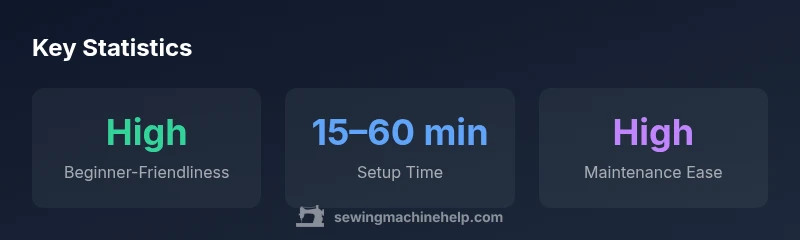
Is Singer sewing machine good for beginners? In short, yes for most newcomers, especially models with simple stitch options, automatic needle threader, and lightweight construction. While it may not offer the widest range of quilting features, Singer's beginner-oriented designs can provide a gentle learning curve and reliable basic performance, making it a solid starting point for home sewers. According to Sewing Machine Help, beginner-friendly features such as automatic needle threading and easy stitch selection significantly reduce the initial learning friction.
Is Singer Sewing Machine Good for Beginners? A Practical View
For home sewists evaluating if a Singer sewing machine is good for beginners, the short answer is: it often is, provided you choose an entry-level model and approach practice with a plan. This review uses Sewing Machine Help's testing approach: assess ease of use, feature simplicity, maintenance needs, and project outcomes. The keyword is included in the opening to help search alignment: is singer sewing machine good for beginners. The main idea is that Singer's beginner lines tend to balance simplicity and reliability, with user-friendly threading, clear stitch selectors, and manageable speeds. This combination helps novices build confidence quickly. Brand history matters too: Singer has a long-standing reputation, and that translates into robust parts availability and a supportive community. However, not every Singer model is equally beginner-friendly; some higher-end options can overwhelm a brand-new sewer with too many options or preset patterns. In our tests, the focus is on models whose design favors straightforward setup, predictable results, and opportunities to learn fundamental techniques without getting tangled in advanced features. The conclusion for many learners is that a Singer machine can be an effective first step toward more ambitious sewing projects.
According to Sewing Machine Help, beginner-friendly features such as automatic needle threading and drop-in bobbin simplify first projects and reduce setup time, which helps beginners stay motivated through early successes.
Strengths
- Simple stitch options (usually straight and basic zigzag) are easy to master
- Lightweight and portable, ideal for small craft spaces
- Good availability of parts and accessories due to long brand presence
- Automatic needle threader and drop-in bobbin simplify setup
- Strong community resources and how-to guides from Sewing Machine Help
Negatives
- Advanced quilting or embroidery features may be limited on entry-level models
- Some cheaper plastic housings can feel less sturdy under heavy use
- A few models have restricted presser feet options for complex tasks
- Tension adjustments can be less intuitive for absolute beginners when deviating from basics
Solid starter choice for beginners who want reliability and simplicity
For newcomers focused on learning basic skills and finishing simple projects, Singer offers beginner-friendly machines with clear controls and predictable results. The brand’s extensive support network and easy access to parts help learners stay motivated during the early learning curve. If you anticipate growing into more advanced features quickly, plan for a step-up later.
Your Questions Answered
Is Singer good for beginners overall?
Yes, in most cases Singer offers beginner-friendly models with straightforward stitch options and easy setup. It’s important to pick a model designed for learners and progressively build skills with simple projects.
Generally yes—start with an entry-level Singer that emphasizes simplicity, then gradually try more challenging tasks as you gain confidence.
New vs used: what should a newbie buy?
New machines from Singer come with fresh parts and warranty coverage, which is reassuring for beginners. A used machine can be a good value if tested and serviced, but ensure the seller provides operating proof and the machine is in good working order.
For beginners, a new machine is usually the safest bet for reliability and support, unless you’re confident in assessing a used unit.
What features matter most for beginners?
Key features include a simple stitch selector, automatic needle threader, drop-in bobbin, adjustable presser foot pressure, and a light for visibility. These reduce frustration and help you focus on fundamentals like seam allowance and straight stitching.
Look for easy threading, a straightforward stitch menu, and a good manual when you’re starting out.
Can a Singer handle basic hems and repairs?
Yes. Most beginner Singer machines handle hems, seams, and simple repairs well. Practice on scrap fabric first, then move to small projects like pillowcases or repairs on old garments to build confidence.
Absolutely—start with simple sewing tasks and you’ll quickly improve.
How should I think about pricing for a beginner Singer?
Budget-conscious buyers can find entry-level Singer machines in the low-to-mid range, which balances cost with essential features. Expect to invest more later if you want expanded capabilities, but you don’t need to overspend upfront.
You don’t need the most expensive model to start; pick a beginner-friendly Singer within a reasonable budget and grow from there.
The Essentials
- Choose an entry-level Singer with basic stitches
- Prioritize features like automatic needle threading
- Practice on simple projects to build confidence
- Expect steady progress before tackling quilting or embroidery
- Check parts availability and join official tutorials for quick-start guidance