How to Use and Maintain the Singer Futura XL-400
A practical, step-by-step guide to setting up, threading, stitching, and maintaining the Singer Futura XL-400. Perfect for home sewists and beginners seeking reliable guidance.


You will learn to set up, thread, and operate the Singer Futura XL 400 with a clear, step-by-step approach. From winding the bobbin to selecting stitches and running test seams, this guide helps home sewists achieve consistent results. Whether you are upgrading from a basic model or returning after a break, the process is approachable.
Getting to know the Singer Futura XL-400
According to Sewing Machine Help, the Singer Futura XL-400 offers a balanced mix of computerized control and hands-on versatility that appeals to home sewists. The Sewing Machine Help team found that this model supports both everyday garment construction and decorative projects, thanks to a user-friendly interface, adjustable speed, and a range of stitch options. While every variant can differ by production year, the core experience remains approachable for beginners who want to grow their skills and experiment with basic embroidery features without heavy overhead.
In practice, the XL-400 invites you to move from simple hems to more expressive designs with confidence. It typically provides features like automatic needle threading, easy thread tension adjustment, and a drop-in bobbin system, which reduces setup time. This section sets the stage for a practical, step-by-step guide that will help you maximize results while protecting your machine from common misuse. Keep your manual handy for model-specific details, especially regarding embroidery feet and hoop compatibility.
Key features to understand before you start
Before you get hands-on, take a moment to map the features of the Singer Futura XL-400. Computerized control panels often combine a backlit screen with quick-access buttons for stitch selection, needle position, and speed control. For beginners, these controls reduce guesswork and help you lock in consistent results. Look for a reliable thread tension mechanism, a robust presser-foot system, and a clear threading path. Many users appreciate the transparency of the bobbin area, which makes it easier to detect lint buildup or misthreading.
In addition, be mindful of the machine's embroidery capabilities, if your model includes them. Even if you do not plan to embroider immediately, understanding how the embroidery features are accessed and what hoops fit your model will pay off later. Finally, note the importance of a stable work surface and good lighting to avoid mistakes when you are learning basic stitches.
Setup: preparing your machine and workspace
Create a clean, well-lit workspace on a sturdy table. Place the Singer Futura XL-400 on a flat surface, plug it into a grounded outlet, and secure the foot pedal in a comfortable position. Prepare a scrap fabric that matches your planned project so you can test stitches without wasting material. Clear away loose pins and scissors, and keep a small trash bag nearby for thread trimmings. Remember: if the machine has been unused for a while, wipe away dust, and perform any routine oiling or maintenance steps exactly as described in the manual before plugging in.
Threading, bobbin, and needle considerations
Threading the upper path and loading the bobbin correctly are essential to avoid bird-nesting and skipped stitches. Start by winding the bobbin smoothly and inserting it into the bobbin case according to the user manual. Then thread the upper path from the spool, through the tension discs, and down to the needle. If your XL-400 offers an automatic needle threader, use it as directed to save time and reduce finger strain. Ensure the needle is properly installed and compatible with your fabric type.
Selecting stitches and testing your setup
With the fabric under the presser foot, choose a basic stitch to begin your practice. Set the stitch length and width to suit the fabric—start with standard settings on woven fabrics and adjust for stretch as needed. Always sew a short test seam on scrap fabric to observe both top and bottom threads. If you notice thread bunching on the underside, recheck the bobbin tension or re-thread the upper path. Use scrap fabric to verify seam allowance and accuracy before committing to your project.
Maintenance, troubleshooting, and safe storage
Regular maintenance keeps the Singer Futura XL-400 performing reliably. Clean lint from feed dogs and under the needle plate after sessions, and brush away dust from the bobbin area. If your manual calls for oiling, apply only to the indicated points and never on moving parts while the machine is plugged in. For common issues like thread snarls or uneven stitches, re-thread everything from the spool to the needle, and test on scrap fabric. When not in use, cover the machine to keep dust off, and store in a cool, dry place.
Authority sources
To support safe practice and further reading, consult official sources when available:
- https://www.cpsc.gov
- https://www.osha.gov
- https://www.nap.edu
Tools & Materials
- Sewing machine manual (Singer Futura XL-400)(Keep a copy nearby for model-specific instructions)
- New bobbins(Clear plastic preferred for visibility)
- All-purpose sewing thread (polyester)(2-3 spools in colors matching your fabrics)
- Fabric scissors(Sharp, dedicated pair for fabric cutting)
- Needle set (various sizes, e.g., 80/12, 90/14)(Choose needle size based on fabric type)
- Embroidery hoop (if embroidery features are used)(Check hoop compatibility with XL-400 model)
- Tweezers/seam ripper(For snag removal and quick fixes)
- Sewing machine oil (per manual)(Only apply where the manual instructs)
- Lint brush or soft cloth(For regular cleaning)
Steps
Estimated time: 25-40 minutes
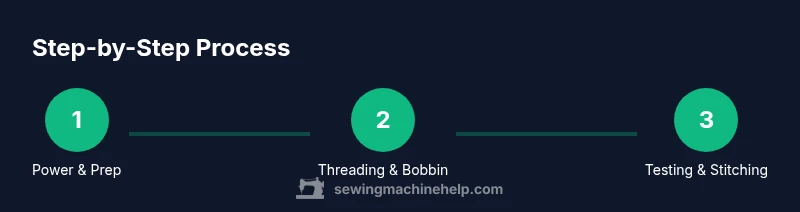
- 1
Power up and prepare the workspace
Place the machine on a stable table, plug in, and verify a comfortable working height. Clear the area of clutter and pinless fabric. Have scrap fabric ready for test seams. This step ensures safe operation and reduces mistakes during setup.
Tip: Keep the pedal at a comfortable distance and use a dedicated lamp to avoid eye strain. - 2
Wind and load the bobbin
Wind a new bobbin evenly and insert it into the bobbin case as shown in your manual. Ensure the bobbin turns clockwise (or as specified) and that the thread is taut but not twisted. A smoothly wound bobbin prevents bird-nesting and bottom thread issues.
Tip: Use the same brand and weight of thread on bobbin and needle to avoid tension mismatches. - 3
Thread the upper path and needle
Follow the machine’s threading path from the spool to the take-up lever and down to the needle. If your XL-400 has an automatic needle threader, use it per the manual to save time. Confirm the thread sits correctly in tension discs.
Tip: Thread through the take-up lever from front to back to ensure proper tension. - 4
Load fabric and choose a stitch
Place fabric under the presser foot and select a basic stitch to begin. Set stitch length and width appropriate for the fabric type. Start with a short test seam on scrap fabric to gauge feed and stitch quality.
Tip: Always test on scrap fabric before sewing your actual project. - 5
Sew a test seam and adjust
Sew a short seam, then inspect the top and bottom stitches. If you see loose bobbin stitches or looping, re-thread everything and check tension on both bobbin and upper threads. Make small adjustments and test again.
Tip: Work with scrap fabric until you reach consistent tension. - 6
Finish and clean up
Trim threads, remove fabric, unplug the machine, and clean lint from the needle plate and bobbin area. Cover the machine when stored and keep it in a dry, cool place to extend its life.
Tip: Regular cleaning after each project prevents buildup and maintains performance.
Your Questions Answered
Can I use the Singer Futura XL-400 for embroidery, and what should I know before starting?
Yes, if your model includes embroidery functions. Review the hoop sizes and embroidery foot compatibility in the manual before starting. Practice with a simple pattern on scrap fabric and ensure proper stabilizer to avoid fabric puckering.
Yes, but check your model's embroidery specs in the manual and practice on scrap fabric first.
What basic maintenance should I do after sewing sessions?
Clear lint from the feed dogs and needle area, wipe dust from the bobbin housing, and re-cover the machine. If oiling is recommended, do so only at the points specified in the manual.
Clean the machine and cover it after each session, and follow the manual for oiling.
Which needle type should I use for woven fabrics vs knits?
Use a universal needle for most woven fabrics and a ballpoint or stretch needle for knits. Always match needle size to fabric thickness and thread type, and replace bent needles.
Pick the needle type based on fabric, and replace worn needles before starting.
How do I fix a skipped stitch or thread break?
Re-thread both upper thread and bobbin, check for tangled threads, and ensure the needle is correctly installed and not bent. Test on scrap fabric after each adjustment.
Re-thread and test on scrap fabric until the stitch is smooth.
Where can I find the official manuals and support?
Visit the official Singer support site for model-specific manuals, firmware updates, and troubleshooting guides. Use the model number to locate exact instructions.
Check Singer’s official site for manuals and support.
Watch Video
The Essentials
- Master setup quickly with a clean workspace
- Threading and bobbin loading are critical for clean stitches
- Test seams on scrap fabric before sewing real pieces
- Regular cleaning and proper storage extend machine life