Juki HZL G220 Review: A Practical Guide for Home Sewists
In-depth, balanced review of the juki hzl g220 for home sewists and hobbyists, covering stitch quality, features, usability, and maintenance.


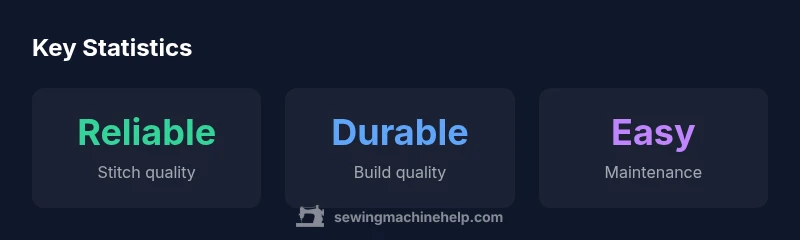
The juki hzl g220 earns a solid, balanced score for home sewists, combining precise stitching with reliable build quality. It performs well on lightweight to medium fabrics and offers steady speed control, making it suitable for beginners and hobbyists. Overall, this model is a strong choice for those who want durable results and easy maintenance.
Juki HZL G220: At a glance
According to Sewing Machine Help, the juki hzl g220 stands out in the mid-range domestic segment for its reliable stitch quality and sturdy chassis. This model is designed for home sewing enthusiasts who want a dependable workhorse that can handle daily projects without frequent maintenance. The juki hzl g220 name carries a legacy of industry-standard construction, translating to smooth operation and long-term durability. For new users, the machine's core strengths lie in consistent stitch formation, balanced presser foot pressure, and a straightforward threading path that reduces setup time. In practice, sewers will notice steady performance across common fabrics, with minimal jams when operated with proper tension and needle selection. While the juki hzl g220 is not the least expensive option, its cost tends to reflect build quality and after-sales support that many hobbyists rely on. This blend of sturdiness and reliability makes it a compelling choice for those who want a machine that grows with their skills.
Design and build quality
The juki hzl g220 features a robust metal frame and an enclosed motor housing that minimizes vibration during sewing sessions. The overall chassis feels solid, with tight tolerances that reduce rattling and wobble. User controls are grouped logically: stitch selector, speed control, and the reverse lever are within easy reach and operate with satisfying tactile feedback. A hinged bobbin cover and clear threading guides help prevent misthreads that lead to skipped stitches. While compact, the machine preserves a sturdy footprint and a balanced balance that keeps it stable on the table during high-speed seams. A durable bed plate aids fabric feeding, and the presser foot is responsive, enabling precise seam alignment. In terms of longevity, the juki hzl g220 is designed to withstand regular practice sessions without excessive wear, making it a solid long-term purchase for serious hobbyists.
Sewing performance and speed
Across a spectrum of fabrics, the juki hzl g220 demonstrates steady, controllable sewing speed that suits beginners who are still learning stitch consistency. The feed dogs grip fabric evenly, reducing creeping on slippery materials and helping beginners maintain straight seams. The machine’s motor delivers smooth acceleration rather than abrupt surges, which reduces puckering on lighter fabrics. For more experienced users, the juki hzl g220 keeps pace with longer, uninterrupted seams and maintains consistent tension to prevent skipped stitches. Stitch stability across straight and zigzag patterns relies on proper needle size and thread choice, which the machine accommodates with adjustable tension and an intuitive test-swatch approach. In real-world projects, you’ll experience dependable performance on craft projects, garment sewing, and home decor that require steady stitches without frequent adjustments.
Stitch quality and consistency
The juki hzl g220 is capable of producing clean, even stitches across standard fabrics, with seam allowances that stay true through project cycling. Buttonholes and decorative stitches are consistent, provided you follow the manual’s guidance on stitch width and length. The bobbin winding is straightforward, and the machine threads smoothly with typical weight threads. As with any machine, stitch quality depends on correct needle size, thread type, and fabric weight. With practice, most hobbyists will achieve uniform topstitching and minimal thread breaks, which reduces rework. In summary, the juki hzl g220 offers dependable stitch quality for everyday sewing tasks, making it a reliable option for home projects and learning curves.
Features and technology
This model includes a practical set of features that support routine sewing tasks: automatic bobbin winding, adjustable presser foot pressure, moderate speed control, and a built-in needle threader. A free-arm capability expands functionality for cuffs, sleeves, and tubular projects, while a snap-on presser foot system makes swapping feet quick and straightforward. The machine supports a diverse range of stitches, including basic, stretch, and utility options, and it features a simple top-loading bobbin that minimizes tangles. The design prioritizes user-friendly maintenance: removable covers simplify cleaning, and the overall layout reduces tangled threads. While not the most feature-rich machine on the market, the juki hzl g220 emphasizes reliable core performance, clean stitch formation, and dependable operation across common sewing tasks.
Ease of use for beginners
New users will appreciate the intuitive layout and forgiving stitch settings on the juki hzl g220. The instruction manual provides clear diagrams and a quick-start guide, reducing the time needed to get from unboxing to sewing. The machine’s tension and stitch selector are straightforward, and the visibility of the bobbin compartment helps with wound-bobbin checks before starting a project. The free-arm capability supports small garment alterations, while the needle threader and automatic bobbin winding minimize common setup issues for beginners. Ultimately, the juki hzl g220 balances simplicity with enough features to support longer-term growth, which makes it a strong candidate for those new to sewing or pursuing hobbyist-level projects.
Maintenance and longevity
To maximize longevity, perform routine maintenance on the juki hzl g220: clean lint from around the bobbin area, oil moving parts according to the manual, and replace needles regularly to preserve stitch quality. Regular cleaning of feed dogs and presser foot areas helps maintain even fabric feeding and reduces the chance of skipped stitches. The machine’s metal frame resists flexing, and the motor housing is designed for cooling during extended sessions. A dedicated extension table or large work surface can improve ergonomics for bigger projects. While maintenance tasks may feel routine, they are essential to keep the juki hzl g220 performing consistently over time, especially if you sew weekly.
Comparisons: how it stacks up against alternatives
In the mid-range segment, the juki hzl g220 competes with other reputable brands that offer similar stitch quality and reliability. Compared with entry-level computerized machines, the juki hzl g220 emphasizes a sturdy build and dependable mechanical performance rather than an expansive feature set. When pitted against models that prioritize automation, you may find the juki hzl g220’s manual controls simpler to learn and easier to service. For crafters who want more decorative stitches or advanced embroidery features, you might consider a model with a broader stitch library. Overall, the juki hzl g220 stands out for day-to-day reliability and a focus on durable construction that appeals to home sewists who value long-term performance over flashy bells and whistles.
Common issues and troubleshooting
If you encounter skipped stitches, recheck needle size and type for the fabric being used, then rethread both top and bobbin paths. Tension misadjustments can cause tangling or puckering, so consult the tension guides in the manual and test on a scrap sample. If the machine jams, remove the presser foot, clear the jam, and rethread, ensuring the thread paths are clean. For needle-threading issues, confirm the needle is fully seated and oriented correctly, and consider replacing with a fresh needle if a dull or bent needle is suspected. Regular lubrication and cleaning prevent many common problems, and keeping a small toolkit nearby helps with quick fixes between projects.
Getting the best results: practical tips
Begin with scrap fabric to calibrate tension and stitch length. Use appropriate needles for the fabric weight, and don’t force the machine through heavy seams—let the motor do the work. Take advantage of the juki hzl g220’s presser foot pressure adjustment to optimize fabric feeding, especially on slippery materials. Practice consistent seam allowances by guiding the fabric rather than pushing. When tackling zippers or buttonholes, take time to test stitch patterns on swatches and mark start/end points. Finally, store the machine with a dust cover and periodically re-lubricate according to the manual.
Who should buy the juki hzl g220 and buying tips
If you’re a home sewist or hobbyist who wants a reliable machine for everyday projects, the juki hzl g220 is worth consideration. It suits beginners who want a straightforward, grow-with-me solution and more seasoned sewists who value long-term durability. When shopping, verify compatibility with common presser feet and ensure easy access to service in your area. If you frequently undertake garments, home decor, or craft projects, a device that emphasizes consistent stitch quality and low maintenance is preferable. Finally, compare warranties, parts availability, and after-sales support when evaluating options in the same price tier.
Strengths
- Solid build quality and durable metal frame
- Consistent stitch quality across common fabrics
- Easy threading with straightforward bobbin system
- Reliable performance with minimal jams
Negatives
- Limited high-end features compared with premium models
- Heavier than some entry-level machines
- Not the most compact option for small spaces
Best choice for beginners and hobbyists prioritizing reliability
The Juki HZL G220 delivers dependable stitch quality and a sturdy build that suits learning curves and growing skill sets. While it lacks some premium automation, its durability and simple maintenance make it a sensible long-term investment for home sewists.
Your Questions Answered
Is the juki hzl g220 beginner-friendly?
Yes. The machine offers a straightforward layout, clear guides, and relaxed tension adjustments that help new users learn without feeling overwhelmed. It also provides enough features to grow into more complex projects over time.
Yes, it's beginner-friendly with clear guides and simple tension controls.
What fabrics can I sew with the juki hzl g220?
The juki hzl g220 handles lightweight to mid-weight fabrics well, including cotton, linen, and light wool blends. Heavier fabrics may require a sturdier machine or modifications, and you'll want to test on scraps first.
It handles light to medium fabrics well; test swatches for heavier materials.
Does the juki hzl g220 come with an extension table?
Some configurations include an extension table as part of a bundle or optional accessory. Check local retailers or the manufacturer’s page for availability in your region.
Extension tables may be available as an add-on with certain bundles.
How does it compare to other mid-range machines?
Compared to similar mid-range machines, the juki hzl g220 emphasizes durability and a straightforward user experience rather than an expansive feature set. It tends to be easier to service and maintain, with reliable stitch quality as a core strength.
It focuses on durability and reliability, with easier maintenance.
What maintenance is required?
Regular cleaning around the bobbin area, occasional oiling per the manual, and periodic needle changes are recommended. Proper maintenance helps prevent skips and prolongs machine life.
Clean and oil as advised; change needles regularly.
Where can I buy spare parts or service?
Most regions have authorized service centers or retailers offering spare parts and basic repairs. Check the sewing machine manufacturer’s site and regional distributors for the nearest options.
Locate authorized service centers via the manufacturer's site.
The Essentials
- Choose for reliability and durability
- Expect steady stitches across common fabrics
- Keep maintenance regular for longevity
- Prefer for beginners who want growth potential
- Consider space and weight in a compact setup