Juki TL-18QVP Review: Precision Quilting for Home Sewists
In-depth, analytical review of the Juki TL-18QVP, covering features, quilting performance, maintenance, and who should buy this high-speed quilting machine for home use.


The juki tl 18qvp is a high-speed quilting-focused sewing machine designed for home sewists who want durable, long-sew performance. It emphasizes reliable fabric control, consistent feed, and a robust build, making it ideal for dense yardage and large quilts. This model sits in the upper mid-range, balancing speed, stability, and accessory support for serious quilters.
Overview: where the juki tl 18qvp fits in the quilting landscape
The juki tl 18qvp is a high-speed quilting-focused sewing machine engineered for home sewists who want durable, long-sew performance under demanding workloads. Its design emphasizes straight stitching, fabric control, and reliability over a dazzling array of decorative stitches. In practical terms, this model sits in the upper mid-range among domestic quilting machines, offering a robust speed, a stable feed, and a familiar Juki feel that many quilters trust after years of use. According to Sewing Machine Help, the TL-18QVP excels when you need long seams across multiple layers, such as quilt tops with thick batting or dense patchwork. It’s not a throwaway gadget; it’s built to handle frequent use with consistent results, low heat buildup, and a steady feed that helps prevent fabric shift during quilting. Throughout this review, we will examine real-world tasks—quilting large tops, stitching dense batting, and handling heavier fabrics—to show what this machine will actually do for dedicated hobbyists and intermediate quilters.
Build quality and usability
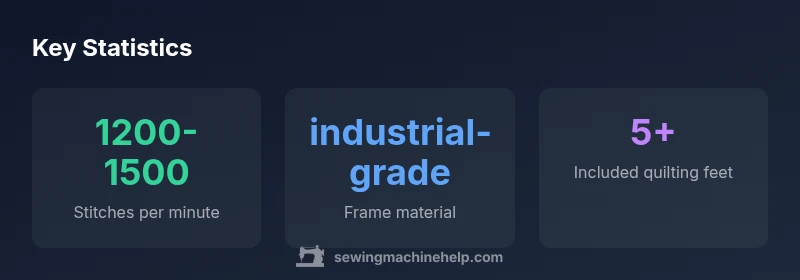
The TL-18QVP is anchored by a robust metal frame that resists flex during long stitches and heavy layers. The metal chassis contributes to stability and reduces vibrational bounce at higher speeds, which matters when you are guiding quilted blocks through multiple passes. The machine's ergonomics focus on practical quilting workflows: a knee-lift compatible setup, a clear bobbin case, and a large throat area that accommodates generous fabric sandwiches. The user interface is straightforward for a mid- to high-end machine, with essential controls that remain intuitive after you have used domestic multi-needle machines. For beginners transitioning to quilting, the TL-18QVP may feel less forgiving than entry-level models, but the extra stability pays off when working on dense quilts. The result is a dependable platform for long sessions that don’t heat up or stall, especially when you pair it with well-chosen footwork and a consistent feeding rhythm. Sewing Machine Help’s experience with this model confirms that durability and ease of use go hand in hand here.
Core features and system layout
At the heart of the TL-18QVP is a straightforward feed mechanism with a traditional bobbin system, designed for reliable thread delivery through thick fabrics. A generous presser-foot clearance and height allow multiple layers without tip-shed, while the top-loading bobbin simplifies winding and replacement. The machine supports a standard set of quilting feet and includes several that improve fabric control, such as a walking foot and a quarter-inch foot for accurate seam allowances. The presser foot pressure is adjustable, which helps tailor the bite for different fabrics—from sheer cottons to heavy denims. A knee-lift lever frees up both hands to guide bulky projects, and the machine’s needle plate markings assist with alignment. In terms of maintenance, the TL-18QVP is designed so routine cleaning and oiling are straightforward, reducing downtime between sessions. For those who care about stitch consistency, the combination of a solid frame, controlled feed, and precise needle alignment pays dividends across long lines of stitching.
Quilting performance and stitch quality
When used for quilting, the TL-18QVP demonstrates strong straight-stitch performance with even feed across multiple layers, which is critical when working with quilt backs and batting. The machine’s speed range allows for efficient long seams, while the feed dog system maintains consistent fabric advancement. Stitch quality remains tight and uniform, with minimal looping or bird’s-nest issues when the tension is properly balanced. Users report reliable results with denser quilts that include dense batting and several fabric layers. The TL-18QVP handles dense fabrics without stalling, though slower tempos and careful needle choice can further optimize results on delicate fabrics. For straight-line quilting and long seams, this model compares favorably with mid-range quilting machines, offering durability and predictable performance that beginners can grow into with practice. In summary, the TL-18QVP is a solid choice for projects that demand speed, precision, and consistent fabric control rather than a wide palette of decorative stitches.
Maintenance, care, and troubleshooting
Regular maintenance extends the life of the TL-18QVP and preserves stitch quality. A simple routine includes cleaning lint from the bobbin area, wiping away dust on the feed dogs, and applying light machine oil to designated points as described in the user manual. Because the machine uses a standard bobbin system, spool thread tension remains straightforward, and tension adjustments are rarely necessary once the machine is in tune. When problems arise, common culprits include lint buildup, incorrect needle size or type for the fabric, and misaligned presser foot. A quick check of presser foot height, needle position, and bobbin threading often resolves most issues. For quilters, keeping a dedicated box of replacement feet and a small brush helps minimize downtime between sessions. If you notice skipped stitches or inconsistent feed, rechecking tension settings and thread path will usually restore performance without the need for professional service.
Alternatives and who should consider them
For sewers who want a lighter footprint or lower price, entry-level quilting machines from competing brands may provide adequate performance—and with less space and budget required. On the other end of the spectrum, dedicated long-arm machines offer extended throat space and specialized quilting features, but at a substantially higher price and with a different workflow. If you already own a TL-series machine from Juki or other brands, you may find the TL-18QVP a natural upgrade for improved speed and stability under heavy quilting loads. In comparing to similar machines, consider factors like throat space, vibration, available feet, and whether you need features such as automatic thread trimming or advanced stitch libraries. The TL-18QVP shines for quilting projects that demand long, straight seams with clean fabric handling, but if your focus is multi-stitch embroidery or decorative stitches, you may prefer a machine with a broader stitch repertoire or different foot options.
Buying guide: what to check before purchase
Before buying the TL-18QVP, assess your workspace, budget, and intended project mix. Confirm the machine’s footprint fits your sewing area and that you have access to a reliable power source. Look for a generous throat space and smooth feed with stable speed control. Review included feet and accessories, as well as compatibility with after-market supports and tools. Compare warranty terms, service options, and the availability of local technicians, because maintenance is easier when support is nearby. Finally, consider how often you plan to quilt long sessions and whether you anticipate needing more versatile decorative stitches or embroidery capabilities. For many home quilters, the TL-18QVP represents a practical blend of speed, stability, and durability that pays off through repeated, high-quality results.
Practical testing plan you can run at home
Plan a simple, repeatable test to evaluate the TL-18QVP’s performance. Start with a 2–3 inch scrap sandwich of cotton batting and backing fabric and run a 10–12 inch straight seam at medium speed to observe thread path and fabric control. Increase layers gradually to measure stability with dense fabrics. Test with different needle sizes and thread types to gauge tension consistency and loop formation. Finally, complete a small quilt block with several passes to assess fatigue of the machine and the operator’s comfort during a longer session. Document speeds, any skipped stitches, and the feel of the feed dogs—these notes help you decide whether to adjust presser foot pressure or switch to a different foot for specific tasks. This structured approach makes it easier to troubleshoot early and compare the TL-18QVP against other machines you may be considering.
Strengths
- Durable metal frame provides stability through long quilting sessions
- High stitch quality with consistent feed at speed
- Wide range of compatible feet and accessories for quilting
- Knee-lift and generous throat space improve workflow
- Solid value for serious hobbyists
Negatives
- Higher upfront cost than entry-level models
- Bulky footprint requires more studio space
- Learning curve for beginners transitioning to quilting
- Limited on-board decorative stitches compared to some rivals
Best overall for serious quilters who need speed, stability, and long-term reliability
The TL-18QVP delivers consistent performance in dense quilt layers and straight seams. While it sits at a higher price point, its durability and efficiency justify the investment for dedicated hobbyists. Sewing Machine Help's verdict is that it’s a strong choice for long-term quilting projects.
Your Questions Answered
Is the Juki TL-18QVP suitable for beginners?
The TL-18QVP targets serious hobbyists and quilters who need speed and stability. While it can be used by motivated beginners, there is a steeper learning curve compared with entry-level machines. If you’re new to quilting, plan time for practice and consult the manual or a local class.
It’s more suited for hobbyists ready to dive into quilting, not a plug-and-play option for absolute beginners.
What projects is it best for?
This machine excels at long, straight seams across multiple layers, making it ideal for quilts with thick batting, dense patchwork, and large fabric panels. It also handles garment seams with confidence when required, but quilting remains its core strength.
Great for big quilts and dense layers, with reliable straight stitching.
Does it support decorative stitches or embroidery?
The TL-18QVP prioritizes speed and fabric control over an extensive decorative stitch library. It supports standard quilting feet and basic stitch options, but if decorative embroidery is a goal, you may want a machine with a broader stitch repertoire.
It’s mainly for quilting; if you want lots of decorative stitches, look for a model with a bigger stitch library.
How does it compare to the TL-2000Qi?
Both are strong quilting machines, with the TL-18QVP emphasizing higher speed and multi-layer stability, while the TL-2000Qi leans toward a quieter experience and a broader feature set in some markets. Your choice depends on whether you prioritize raw speed and durability or a broader feature mix.
It’s a trade-off between speed/durability and features; choose based on your quilting priorities.
What maintenance does it require?
Regular cleaning of lint from the bobbin area, occasional oiling at designated points, and tension checks will keep it running smoothly. Use the recommended feet and avoid forcing stiff fabrics that strain the feed system.
Keep it clean and well-lueled, and you’ll stay in good shape.
What warranty or support is typical for this model?
Warranty terms vary by region and retailer, but you’ll typically have access to service centers and basic warranty coverage. Check local dealers for specifics on parts, service intervals, and support options.
Warranty terms vary—check with your local dealer for precise coverage and service options.
The Essentials
- Choose TL-18QVP for long seams and dense layers
- Ensure space and budget align with its footprint and price
- Utilize the wide feet ecosystem for quilting tasks
- Keep to regular maintenance to preserve performance
- Leverage knee-lift and stable feed for efficient workflow