So Crafty MIDI Sewing Machine Review
In-depth review of the so crafty midi sewing machine for home sewists. We analyze setup, stitch quality, ease of use, maintenance, and value with practical tips and comparisons to traditional models.


The so crafty midi sewing machine offers MIDI-inspired control, a compact design, and versatile stitch options that appeal to home sewists. It blends modern electronics with traditional stitching, delivering repeatable results and a friendly learning curve for beginners. Overall, it's a strong, reliable option for hobbyists who want precise control without a steep price tag.
Understanding the So Crafty MIDI Sewing Machine
The so crafty midi sewing machine occupies a unique niche by combining electronic, programmable control with classic mechanical stitching. For home sewists who crave repeatable results across different fabrics, this model promises consistent tension, speed regulation, and the ability to store basic stitch sequences. The presence of MIDI-inspired controls means you can fine‑tune stitch tempo, adjust foot pressure in subtle increments, and recall preset patterns with a few taps. While it looks like a traditional sewing machine from the outside, the internal control logic borrows concepts from MIDI hardware to deliver smoother ramping and predictable transitions between stitches. In practice, this translates to less guesswork when switching from delicate silk to tough denim. The Sewing Machine Help team notes that the model emphasizes a balance between accessibility and depth, making it a compelling option for beginners who want room to grow without abandoning a friendly, hands-on feel. The phrase so crafty midi sewing machine appears multiple times here to reinforce what differentiates this approach from purely mechanical devices.
Design and Build Quality
A key pillar of any sewing machine is how well it feels in your hands and how reliably it starts up each session. The so crafty midi sewing machine uses a compact chassis that doesn’t dominate a crowded workspace, which is ideal for smaller studios or kitchen tables where space is at a premium. The exterior typically features a sturdy plastic or metal body with clean lines, good fit-and-finish, and easy-access ports for bobbins, needles, and thread tension dials. Users report that the machine’s internal mechanism remains quiet in operation, with minimal vibration during standard sewing tasks. This quiet operation, combined with a measured, tactile feedback from the foot pedal, helps shooters of projects stay focused rather than distracted by mechanical clatter. In addition, the presser foot lifter, feed dogs, and needle plate all feel deliberate, which contributes to a sense that the machine can handle longer sewing sessions without fatigue. From a durability standpoint, mid-level plastics or alloys used in the frame strike a good balance between weight and rigidity, supporting stable fabric handling across common sewing tasks.
Stitch Library, Features, and MIDI Control
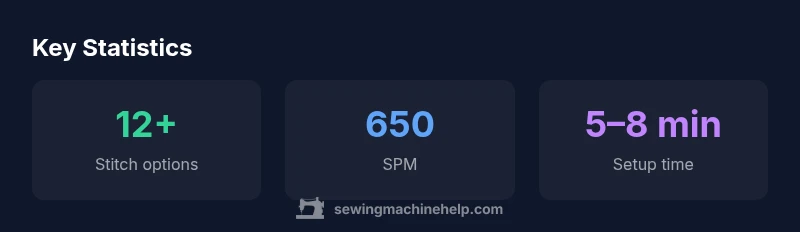
The heart of any “midi”-branded device is its ability to choreograph patterns with programmable precision. The so crafty midi sewing machine typically ships with a solid selection of built-in stitches—cover stitches, zigzags, straight stitches, and some utility stitches that support basic garment construction. The MIDI-inspired control layer allows you to tune stitch length, width, and speed ramping with fine-grained control, then save those settings for repeat use. For hobbyists, this can translate to fewer manual adjustments when stitching the same fabric type across multiple seams. In practice, you’ll find that the machine responds to the pedal with a smooth, consistent feed rate; it remembers preferred settings for common fabrics; and it offers quick presets that are friendly to those still learning tension and stitch balance. When compared to purely mechanical models, the midi approach reduces variance across repeated stitches on similar tasks, which is particularly helpful for beginners practicing consistent topstitching or buttonholes.
Ease of Use for Beginners
Ease of use is often the deciding factor for beginners choosing their first meaningful machine. The so crafty midi sewing machine leans into guided presets and a straightforward UI, which reduces the intimidation factor common to more feature-rich competitors. Setup steps—threading, bobbin winding, needle installation—are clear, with intuitive color guides and accessible reference diagrams printed on the machine or included in the manual. The integration of MIDI-like controls does not require you to become a computer programmer; instead, it offers muscle memory-like adjustments that feel natural after a few sessions. For absolute beginners, the presence of one‑touch stitch selection and preset sequences helps you complete a seam quickly, while more advanced users can dive into custom sequences and adjust ramping curves for specialty projects. Expect a short learning curve for advanced operations, but the core sewing tasks remain approachable and dependable.
Setup, Maintenance, and Troubleshooting
A reliable setup and routine maintenance plan extend the life of any sewing machine, and the so crafty midi sewing machine is no exception. Initial setup should take a modest amount of time as you thread the machine, wind a bobbin, and test a few stitches. Regular maintenance includes oiling the moving parts as recommended by the user manual, cleaning lint from the feed dogs, and inspecting the needle plate for burrs. Troubleshooting tends to be straightforward: mis-tensioned threads, skipping stitches, or inconsistent feeds often boil down to thread path issues, incorrect bobbin winding, or needle size mismatch for the chosen fabric. The MIDI features can help diagnose minor problems by logging preset patterns that behave erratically when a tension or speed variable is off, guiding you to the root cause. Remember to replace needles regularly—especially when switching between fabrics—as dull needles contribute to skipped stitches and poor fabric penetration.
Performance on Various Fabrics and Projects
A practical test for any sewing machine is how it handles different fabrics, from delicate chiffons to heavy denims. The so crafty midi sewing machine generally delivers reliable straight stitches with clean topology and consistent tension for lighter fabrics. For heavier materials, you may need to adjust the stitch length and use a walking foot or a higher pressure setting to prevent fabric creep. Denim, canvas, and medium-weight cottons typically respond well to the machine’s standard feed and balanced tension. Knits benefit from a slightly longer stitch length and a lighter foot pressure to prevent distortion. The programmable presets are especially useful for finishing seams in similar fabrics across a project, ensuring uniformity from start to finish. Practitioners who tackle garment construction, quilting, or home decor can appreciate the device’s versatility without sacrificing the tactile satisfaction of manual control.
Comparisons to Conventional Mechanical and Computerized Machines
Compared with traditional mechanical machines, the so crafty midi sewing machine adds digital nuance through programmable sequences and adjustable ramping. You may find the MIDI-driven interface lends itself to repeatable stitch patterns across multiple garments or quilts, reducing the margin for human error on repetitive tasks. When pitted against fully computerized machines, the midi device tends to offer less on-board memory for dozens of patterns, but it compensates with a more approachable learning curve and a lighter mental model for new users. For certain budgets, this means you can access a broader range of features without paying a premium price. The trade-off is that more advanced pattern libraries or embroidery capabilities are typically not as expansive as those on high-end computerized models. For many hobbyists, the midrange feature set provides the best balance of value and performance.
Value, Price Range, and Warranty Considerations
Price remains a critical factor when evaluating a so crafty midi sewing machine. Expect a price tier that sits above basic mechanical units but below top-tier computerized models. The exact range will depend on regional availability, included accessories, and warranty terms. In evaluating value, consider the cost of ongoing supplies, replacement needles, and potential foot attachments that expand capability. A solid warranty—covering mechanical faults and significant electrical components—adds comfort for long-term ownership. In the long run, the ability to recall preferred stitch settings and the reduced need for constant readouts can translate into time savings, especially on recurring tasks.
Real-World Projects and Applicability
For hobbyists, this machine excels in garment repairs, simple clothing construction, home decor items, and small quilting projects. The MIDI controls facilitate consistent topstitching on pillow covers and tote bags, while the preset stitch options streamline hem finishing and applique work. It isn’t designed to replace professional-grade industrial machines, but for home studios with a mix of craft and practical sewing, it offers a practical middle ground. The ability to save common patterns for future reuse reduces setup time for repeat projects, enabling you to iterate quickly on design tweaks without sacrificing stitch quality. In short, it’s well-suited for everyday sewing tasks and learning-intensive projects where repeatability matters more than industrial speed.
Best Practices for Maintenance, Longevity, and Upgrades
To maximize longevity, follow a regular maintenance routine aligned with the manufacturer’s guidance. Clean the bobbin housing and throat plate to avoid fabric lint buildup, oil pivot points as recommended, and replace old needles before they become a bottleneck to performance. Store the machine in a cool, dry place to prevent moisture-related corrosion in the metal components. If you upgrade attachments or add new presser feet, confirm compatibility with your MIDI control firmware to avoid unexpected behavior. Keeping a simple log of maintenance tasks and noting any recurring issues will help you decide when it’s time to consult a technician or consider a model upgrade.
Who Should Buy the So Crafty MIDI Sewing Machine? Target Scenarios and Guidance
This machine is best for home sewists who want a balance between hands-on control and repeatable results. Beginners benefit from guided presets and an approachable learning curve, while intermediate hobbyists can leverage programmable patterns for more complex projects. If your projects involve a mix of fabrics and you value a compact footprint, this model is worth serious consideration. For those who require heavy-duty industrial sewing or expansive embroidery options, a higher-end computerized model may be a better fit. The key question to ask is whether you want more finger‑tip control over speed and sequence with a relatively simple learning curve, or you prefer a model with a broader embroidery library and more on-board memory. This so crafty midi sewing machine sits well in the former camp, offering flexibility without overwhelming new users.
Getting Started: Quick Start Guide to Begin Sewing
- Unpack and inspect all parts; ensure you have bobbin, needle, and foot attachments. 2) Install the needle with the correct orientation and thread the upper thread following the color-coded guides. 3) Wind the bobbin and insert it in the bobbin case; pull the thread through to engage the clutch. 4) Thread the machine, test a sample stitch on scrap fabric, and adjust tension if needed. 5) Explore the presets and a few basic stitches, saving your most-used configurations for quick recall. 6) Start with lightweight fabrics to build confidence, then gradually increase material complexity. This approach helps you harness the MIDI-inspired controls without becoming overwhelmed.
Strengths
- Compact footprint fits small studios
- MIDI-inspired control enables repeatable patterns
- Wide stitch options for common projects
- Beginner presets reduce learning curve
- Good support for basic repairs and maintenance
Negatives
- Higher upfront cost than entry-level mechanical machines
- Limited on-board embroidery options compared to premium computers
- Learning advanced MIDI features requires time and experimentation
Best for hobbyists seeking precision and versatility at a accessible price point.
This model offers reliable stitch quality, a compact footprint, and programmable control that supports repeatable results. While not the cheapest option, the convenience and depth justify the investment for most home sewers.
Your Questions Answered
What is a MIDI sewing machine, and how does it apply to this model?
A MIDI sewing machine uses programmable control to simulate musical instrument-like precision. In this model, you get repeatable stitch patterns with customizable settings.
MIDI-style control lets you tailor speed and patterns with repeatable results.
How does MIDI control improve sewing compared with traditional machines?
MIDI control offers consistent pattern repetition and smoother ramping between stitches, reducing human error on repetitive tasks while keeping manual adjustments intuitive.
It helps you keep stitches uniform across multiple seams.
What maintenance does it require?
Regular cleaning, oiling of pivot points, checking needle condition, and ensuring correct threading are the core maintenance tasks. Follow the manual for a maintenance interval schedule.
Keep it clean and oiled for longevity.
Can it handle heavy fabrics like denim?
Yes, with appropriate needle, stitch length, and, if needed, a walking foot to reduce fabric slip. Heavy fabrics may require slower speeds and careful feed.
It works, but you may need to adjust settings for heavy fabrics.
Is there a warranty and what does it cover?
Most consumer sewing machines include a basic warranty that covers manufacturing defects for a set period. Check coverage details, exclusions, and how to service under warranty.
Warranty coverage is important for peace of mind.
Can I customize stitches or create patterns?
You can modify stitch length, width, and ramping, and save commonly used configurations. Advanced pattern creation may be limited compared with premium computerized models.
You can tailor patterns and save favorites.
The Essentials
- Use MIDI presets for repeatable patterns
- Expect a learning curve with advanced features
- Choose this for a compact, versatile setup
- Regular maintenance extends longevity
- Compare total cost of ownership before buying