Buy Sewing Machine: A Practical Buying Guide for 2026
Learn how to buy a sewing machine with confidence. This guide covers budget, features, types, where to buy, test stitches, and essential maintenance tips, with insights from Sewing Machine Help.


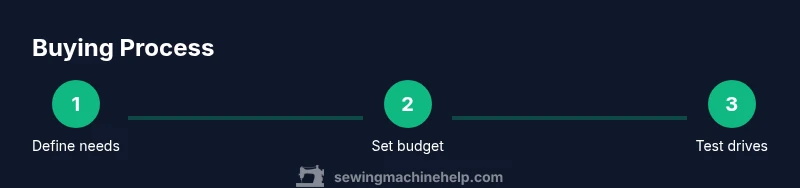
This guide helps home sewists choose the right sewing machine by clarifying needs, setting a realistic budget, and evaluating essential features. You’ll learn how to test machines, compare warranties, and plan maintenance to ensure a confident, informed purchase. According to Sewing Machine Help, your choice should balance use cases, reliability, and service support.
Why buying a sewing machine matters
For many home sewists, owning a sewing machine unlocks creative projects, from garment alterations to quilting. A well-chosen machine saves time, improves stitch quality, and reduces frustration compared with hand sewing. When you buy sewing machine gear that fits your real needs, you’re more likely to enjoy consistent results and keep sewing as a hobby or small side business. According to Sewing Machine Help, the right machine should align with your typical projects, available workspace, and budget. Start by listing your most common tasks (hemming, buttonholes, straight stitching, decorative stitches) and the fabrics you’ll work with, then translate those into must-have features and a reasonable price range. This grounded approach keeps you from chasing bells and whistles you won’t use and helps you avoid buyer’s remorse.
Key features to evaluate when buying a sewing machine
When evaluating machines, there are core features that shape performance and longevity. Look for stitch options beyond basic straight and zigzag, a reliable feed dog system for fabrics of varying thickness, adjustable presser foot pressure, and a user-friendly threader. Consider motor power or speed control for thicker fabrics and a robust bobbin winding mechanism for efficient setup. A good warranty and reputable service options are essential for peace of mind. Also assess noise level, weight (especially if you’ll move the machine), and the availability of support resources like online manuals and video tutorials. For beginners, a simple, intuitive interface reduces the learning curve, while advanced sewists may prefer features like memory presets and automatic thread trimming. Sewing Machine Help notes that a balanced feature set tailored to your projects provides the best long-term value.
How to set a budget and plan features
Before you buy, define a budget that reflects how often you sew and the complexity of your projects. Entry-level models offer basic stitches suitable for mending and simple hems, while mid-range machines add more stitch patterns, better presser feet, and stronger construction. High-end machines often include embroidery capabilities, automatic needle threading, and advanced tension control. If you’re unsure about future needs, start with a modest budget and invest in reliable support and quality parts rather than the latest gadget. Remember to factor in the cost of essential accessories (extra feet, extra bobbins, needles) and potential maintenance. The Sewing Machine Help team suggests planning for a maintenance budget so that you don’t face unexpected repair costs after purchase. A practical approach is to set a price ceiling and gradually upgrade as you gain experience and clarify your use-case priorities.
Types of sewing machines and who they’re best for
Sewing machines generally fall into mechanical, computerized, and specialized types. Mechanical models are durable, straightforward, and often easier to repair, making them great for beginners or budget-conscious buyers. Computerized machines offer a wide range of stitches, automatic features, and precision for advanced projects but can be more expensive. Some users also consider sergers (overlock machines) for finishing edges quickly; these are separate devices and typically used by more experienced sewists. For most home projects, a good-quality mechanical or basic computerized model provides the best balance of cost and capability. If you’re primarily doing garment sewing and quilting, look for a machine with adjustable stitch length and speed control. In all cases, verify availability of replacement parts and local service options.
How to compare models in-store or online
When you’re standing in a showroom or browsing online, create a quick comparison sheet. Check stitch options, needle-threading ease, presser foot options, and the presence of a free-motion stitching mode for quilting. Test on a few fabric types (cotton, knit, and denim) to gauge feed accuracy, stitch quality, and tension consistency. Assess the footprint and weight to ensure your workspace can accommodate the machine, and inspect the warranty terms. Look for clear manuals and reliable customer support channels. If possible, bring a known fabric swatch to test and compare the feel of several machines side-by-side. This hands-on approach helps you savor differences that matter in practice, not just in marketing.
Warranties, service, and maintenance considerations
A solid warranty protects your investment, with longer terms generally indicating manufacturer confidence. Consider who covers parts and labor, and whether service is local or requires shipping to a distant facility. Routine maintenance—cleaning the bobbin area, oiling moving parts (if applicable), and changing needles—extends machine life. Keep a small maintenance kit handy and schedule periodic checks, especially if you sew frequently. Before purchasing, confirm what the warranty excludes (like wear from needles or user damage) and how to obtain service. Also, inquire about the availability of authorized repair centers in your region. Planning for service reduces downtime and keeps your machine running smoothly over years of use.
Where to buy and how to get the best deal
Local sewing shops often provide personalized demonstrations, stock alignment, and after-purchase support that online retailers may lack. Big-box retailers can offer competitive pricing and broader return policies, but inspection and service options may vary. When shopping online, read detailed product specs and user reviews, and verify seller ratings and return terms. Consider seasonal sales, bundle offers, and whether a retailer provides free or discounted training sessions. Always factor in shipping costs and potential duties for online purchases. Sewing Machine Help’s guidance emphasizes choosing a reputable retailer with accessible customer support, a clear warranty policy, and transparent return guidelines to avoid post-purchase headaches.
Test-drive checklist and post-purchase care
Before committing, perform a structured test drive: assemble a simple project, thread the needle, and run a few stitches on different fabrics. Listen for unusual noises, feel the feed dogs’ grip, and ensure the machine stops promptly when you release the foot pedal. After purchase, follow maintenance steps in the manual, keep needles fresh, and store the machine in a clean, dry area. Regularly check belts, thread paths, and needle alignment. With proper care, your sewing machine will deliver consistent results and last for many sewing adventures.
Tools & Materials
- Research notebook(Capture model specs, price, and pros/cons during research)
- Budget worksheet(Define max spend and preferred payment method)
- Shopping list by use case(Beginner sewing, garment making, quilts, or crafts)
- Fabric scraps for testing(Bring cotton, knit, and a thicker fabric to test stitches)
- Measuring tape(Check machine footprint and workspace clearance)
- Extension cord and sturdier outlet(Ensure a safe, stable setup during in-store tests)
Steps
Estimated time: Total: 60-90 minutes for research, in-store tests, and decision
- 1
Clarify your sewing goals
List the main projects you plan to tackle (garments, alterations, quilting) and the fabrics you’ll commonly use. This will guide feature needs such as stitch variety, speed control, and needle options.
Tip: Write down 3 must-have features to anchor your search. - 2
Set a real-world budget
Determine a price ceiling that includes accessories and potential service plans. Be honest about how often you’ll sew and whether you may upgrade later.
Tip: Consider total cost of ownership, not just sticker price. - 3
Choose machine type based on experience
For beginners, a reliable mechanical or basic computerized model is usually enough. If you want embroidery or many presets, look at mid-range options with solid support.
Tip: Don’t buy features you won’t use in the first year. - 4
Compare models side-by-side
Create a quick comparison chart: stitch options, needle threader, bobbin system, weight, warranty, and service options. Test on varied fabrics when possible.
Tip: Bring a fabric swatch to the showroom to feel tension and feed. - 5
Test-drive in-store or via virtual demos
Thread the machine, make a few sample stitches, and evaluate noise and vibration. Check how smoothly the foot pedal responds at different speeds.
Tip: Ask for a trial with a medium-thick fabric to simulate real use. - 6
Review warranty and after-sales support
Read the warranty terms and ensure there are local service options. Confirm what’s covered and how to access repairs if needed.
Tip: Ask for written warranty details before purchase.
Your Questions Answered
What should I consider first when buying a sewing machine?
Start with your project types and fabric varieties. Then evaluate budget, required stitches, and whether you need basic or advanced features. This sets a solid foundation before comparing models.
Think about your projects and fabrics first, then set a realistic budget and desired features to guide your model choice.
Do I need a computerized machine or a mechanical one for beginners?
For most beginners, a reliable mechanical or basic computerized model offers enough features without overwhelming complexity. You can upgrade later as skills grow.
Most beginners do well with mechanical or simple computerized models; upgrade only when you’re ready for more features.
What is a good budget range for a beginner sewing machine?
Budget varies by needs, but many beginners start in the low to mid range, balancing features with cost. Avoid excessively cheap machines that may fail early.
Beginner machines usually sit in the mid-to-low budget range, offering enough features without going overboard.
Should I buy online or in a local shop?
Local shops often provide demos, setup help, and after-sale support, while online retailers may offer better prices and broad selection. Choose a retailer with clear returns and service options.
Local shops give you hands-on demos and service, online stores can save money but verify returns and support.
What maintenance should I plan for after purchase?
Regularly replace needles, clean the bobbin area, and lubricate as directed. Keep the machine protected from dust and moisture to extend lifespan.
Keep up with routine cleaning, needle changes, and protective storage to extend your machine’s life.
Is a warranty worth it for a beginner?
A good warranty provides peace of mind for new users who may encounter setup or beginner questions. Verify coverage scope and duration.
A solid warranty helps when you’re learning; check what it covers and for how long.
Watch Video
The Essentials
- Define needs before shopping to guide feature choices.
- Budget for machine plus accessories and service.
- Test stitches on varied fabrics to gauge performance.
- Compare warranty and local service options.
- Choose a model that fits your skill level and projects