Is It Good to Buy a Mini Sewing Machine? A Home Sewist Guide
Discover whether a mini sewing machine fits your space, budget, and projects. This analytical buying guide covers performance, portability, maintenance, and who should buy—plus practical tips for home sewists.


Is it good to buy mini sewing machine? For many home sewists, a mini model is a practical starter tool when space, budget, or travel needs matter. It offers portability and simple operation, making quick repairs and small projects feasible. However, it struggles with heavy fabrics, bulky quilts, or frequent use, so it’s best for light-duty tasks and beginners.
Is it good to buy mini sewing machine: space, budget, and lifestyle fit
Choosing a sewing machine for a small apartment, a shared crafting corner, or a travel-friendly workspace changes the decision calculus. If you are evaluating whether a mini model is right for you, this section lays out the scenarios where it shines and where it falls short. Home sewists who primarily do quick repairs, hemming, patching, or light-tier projects will often benefit from a compact machine that stows away when not in use. In contrast, those with frequent, heavy-duty tasks—quilting, denim, leather, or multiple layers—will quickly hit performance ceilings. The key question remains: is it good to buy mini sewing machine for your particular set of needs? The answer depends on your space constraints, expected workload, and tolerance for slower assembly times.
From Sewing Machine Help's perspective, the category tends to attract beginners and hobbyists who want to gain confidence before committing to a full-size unit. We assess factors like stitch variety, foot pedal sensitivity, and thread-management features to determine whether a mini model can deliver reliable results.
Performance and stitch quality on light-duty tasks
Mini sewing machines typically offer a pared-down feature set that prioritizes core stitching over decorative options. When used for straight seams, small repairs, and lightweight fabrics such as cotton, linen, or knit jersey, they can produce clean, durable stitches with minimal setup. The feed dogs and presser foot provide adequate grip for most tasks, but you may notice occasional skipped stitches if the machine struggles with inconsistent thread tension or thicker seams. A practical approach is to test a sample seam on material similar to your project and to adjust the presser foot pressure incrementally. For beginner projects like basting hems or patchwork, the results are often more than sufficient, and the learning curve remains friendly. Compare this to a regular household model; the mini version generally sacrifices speed and stability for portability, not basic reliability.
When researching is it good to buy mini sewing machine, consider stitch length options, bobbin winding ease, and the availability of freezing or pausing features that reduce re-threading. Such details matter more when you plan to perform precise tasks, like hemming delicate fabrics or finishing outfits with neat topstitching.
Portability and power: trade-offs
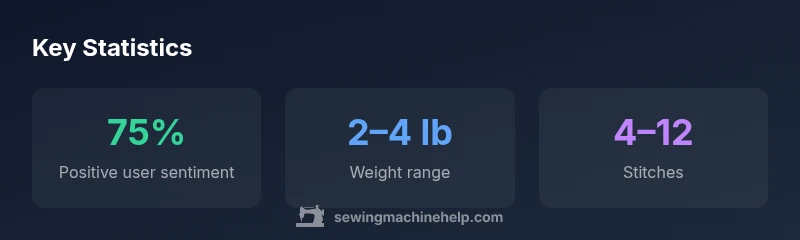
Portability is the standout benefit of mini sewing machines; most weigh just a few pounds and fit into a tote or small cabinet. This makes them ideal for crafting in small apartments, dorm rooms, or while traveling between locations. The power supply is typically modest, sometimes requiring a basic AC adapter or battery-operated operation in travel models. The trade-off, however, is torque and speed. Heavier fabrics or multiple layers demand more needle penetration and consistent feed, which mini machines often struggle to sustain. If you anticipate frequent heavy sewing, plan for a full-size model or buy a compact machine with a higher torque rating. In practice, many users keep a mini machine for quick fixes and a separate, more capable unit for larger projects. For those weighing whether is it good to buy mini sewing machine, the portable advantage often wins out for hobbyists who value convenience over raw power.
Build quality, durability, and accessories
Durability in mini sewing machines varies by brand and model, but most entry-level options use lightweight plastics and fewer metal components. That’s acceptable for occasional use, but it means you should handle the machine with care and store it in a dust-free space when not in use. Look for features such as a metal stitch plate, a robust handwheel, and a steady foot pedal to improve longevity. Accessory kits vary widely; some models include multiple presser feet, a small auxiliary spool pin, and a practice swatch of fabric. If you rely on auxiliary guides like seam guides or built-in needle threaders, verify their reliability before purchase. A practical check is to read user reviews about jam resistance and how often the machine requires belt or gear adjustments under light workloads.
Budget considerations: price ranges and long-term costs
Price sensitivity is a central factor when deciding is it good to buy mini sewing machine. Mini models generally sit in the budget-friendly range, often between $60 and $150 depending on features. Compare this to mid-range or full-size machines that start higher and offer broader stitch libraries, better fabrics handling, and longer warranties. Long-term costs include replacement presser feet, bobbins, thread, and occasional maintenance. While the upfront cost is appealing, some buyers discover that frequent repairs or limited performance on heavier fabrics makes a larger investment worthwhile over time. If you anticipate scaling up to more serious projects, plan for a future upgrade rather than sticking with the most affordable option indefinitely.
Suitability by project type: repairs, crafts, and small alterations
Mini sewing machines excel at quick repairs (hemming, patching), alterations on seam without clashing with bulky interiors, and small craft projects like tote bags, fabric appliques, and cosmetic hems. They are often best for beginners to learn basic threading, tension, and stitch control. For quilting, hefty denim work, leather, or upholstery projects, a full-size or mid-range machine may deliver needed needle power, throat space, and consistent feeding. If your project list includes frequent layering, topstitching on thick fabrics, or precise buttonholes, you’ll likely be happier with a more capable machine. For many hobbyists, the mini model serves as a teaching tool and a lightweight backup—your plan becomes determining if lengthy sessions or specific tasks justify an upgrade.
Alternatives: when a compact full-size or mid-range machine is better
If your sewing ambitions outgrow a basic mini machine, consider a compact full-size or mid-range model. These options typically provide a wider throat, stronger motor, and more stitch patterns, enabling you to tackle quilting, denim, and tailored garments with improved consistency. Features to compare include needle position control, automatic tension adjustment, walk-foot compatibility, and speed control. The decision often comes down to whether you value portability above all else or you need a machine capable of handling diverse fabrics and complex projects. In many households, owning both a mini for quick tasks and a larger unit for detailed projects delivers the best balance between convenience and capability.
Maintenance and care for longevity
Longevity for mini sewing machines hinges on regular cleaning, proper oiling (if the model requires it), and avoiding overexertion on heavy fabrics. Cleaning the bobbin area and lint removal from under the needle plate prevents stitching issues and jams. Use manufacturer-recommended oiling intervals and routine belt checks if available. Store the machine in a dry, dust-free environment and avoid power surges by using a surge protector. With proper care, even a budget mini model can offer several years of service for light workloads. Always consult your model’s manual for specific maintenance steps and recommended lubricants to extend longevity.
How to decide: quick decision checklist for buyers
Start by listing your typical projects and space constraints. If most tasks are light fabrics, hems, and crafts, a mini model likely makes sense. Check the stitch options, accessories, and warranty provided. Consider your tolerance for slower sewing speeds and occasional thread-tension adjustments. Finally, compare the total cost of ownership, including potential upgrades, against a budget for your ideal mid-range machine. By applying this checklist, you’ll arrive at a clear answer to the question is it good to buy mini sewing machine for your situation.
Strengths
- Very low upfront cost and space requirements
- Excellent for quick repairs and small projects
- High portability for travel and tiny workspaces
- Simple operation minimizes learning curve
Negatives
- Limited fabric handling and stitch variety
- Reduced speed and power for bulky materials
- Some models have limited durability
- Accessory availability varies by brand
Best for beginners and space-constrained setups needing quick, light-duty sewing
A mini sewing machine is a sensible first step for home sewists with limited space or a tight budget. It delivers essential stitching, easy learning, and portability, but won’t replace a full-size machine for heavy fabrics or long sessions. Overall, it’s a solid starter or backup machine when used within its limits.
Your Questions Answered
What projects are best suited for a mini sewing machine?
Mini sewing machines excel at quick repairs, hemming, small crafts, and basic alterations. They’re ideal for learning foundational skills and handling lightweight fabrics. For heavy-duty projects, a larger machine is typically more efficient.
Great for quick fixes and beginner projects; not ideal for heavy fabrics like denim or leather.
Can a mini sewing machine handle denim or thick fabrics?
Most minis struggle with thick fabrics or multiple layers. If you plan to sew denim or leather regularly, expect slower progress and more frequent stitching issues. Consider upgrading to a more powerful model for reliability.
Usually not the best choice for denim; plan for an upgrade if thick fabrics are common.
Do mini sewing machines come with reliable warranties?
Warranties vary by brand but commonly range from 12 to 24 months. Check what is covered (mechanical vs. cosmetic) and whether serviced support is available in your region.
Warranties differ; read the fine print to understand coverage.
Are mini sewing machines good for beginners?
Yes. They provide a gentle learning curve, basic features, and quick feedback on threading and tension. Start with light fabrics and simple stitches to build confidence before upgrading.
Absolutely, they’re friendly for new sewers, especially for practice and small projects.
What accessories should I look for when buying one?
Look for at least a few presser feet (zigzag, buttonhole, zipper), spare bobbins, a quick-start guide, and a basic instruction manual. A needle set suitable for your usual fabrics is also helpful.
Essential feet and extras help you get started faster.
How do you maintain a mini sewing machine to extend its life?
Regular cleaning, oiling (if required by the model), and using quality threads reduce jams and wear. Store it properly and avoid forcing it to sew through heavy material.
Keep it clean and well-oiled, and don’t push it beyond its limits.
The Essentials
- Assess space and project scope before buying
- Expect light-duty performance and slower pace
- Prioritize stitch variety and included accessories
- Factor ongoing costs like accessories and maintenance
- Plan for a potential upgrade if your needs grow