Sewing Machine Singer Models: A Practical Guide for Home Sewists
A practical guide to sewing machine singer models, explaining mechanical vs computerized options, key features, buying tips for beginners, and maintenance essentials.


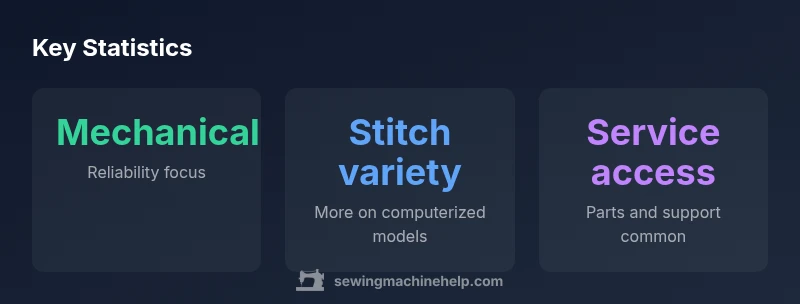
Among Singer models, home sewists often favor mechanical machines for reliability and simplicity, while newer computerized Singer models add stitch variety and automation. For beginners, a basic mechanical setup with core utility stitches is typically the best starting point, then upgrade as skills grow. Understanding your projects helps you choose confidently.
Why the Right Singer Models Matter
According to Sewing Machine Help, the choice between different Singer models can shape your entire sewing experience. When you compare sewing machine singer models, you’re weighing simplicity against capability, and immediate needs against future projects. Home sewers usually start with a machine that handles basic garments, hems, and quick repairs, then scale up to more feature-rich options as confidence grows. The goal is to select a model that stays reliable through repeated use without overwhelming you with settings. In practice, this means balancing durability, ease of use, and the ability to address a range of fabric types—from knits to denim. For most beginners, a straightforward, well-made machine that can tackle common fabrics without frequent maintenance offers the best long-term value.
Mechanical vs Computerized Singer Models: A Practical Framework
Singer models fall into two broad camps: mechanical and computerized. Mechanical machines typically emphasize robustness, fewer moving parts, and tactile controls. They excel in reliability and quick repairs, especially for straight seams, basic zigzags, and utility stitches. Computerized Singer models broaden the stitch library, include automatic buttonholes, and sometimes feature needle-threading assistance and on-screen guidance. The trade-off is a steeper learning curve for beginners and greater dependency on power and electronics. When deciding, consider your typical projects, your comfort with technology, and whether you value a simple, time-tested workflow or a wider creative palette with automated features.
Key Features to Compare Across Singer Models
Beyond stitch counts, evaluate how a Singer model handles thread tension, foot compatibility, and presser foot changes. Look for a user-friendly tension dial, clear stitch-selector controls, and a straightforward bobbin system. A model that accepts common presser feet (like walking feet and zipper feet) expands versatility, especially for quilting and garment construction. For computerized options, check whether the interface is intuitive and whether the machine provides helpful tutorials or built-in guidance. It’s also wise to verify service options in your area, as local repair support can influence long-term satisfaction.
Testing Stitch Quality and Fabric Handling
Before making a purchase, test the machine on fabrics you plan to use—cotton, jersey, denim, and delicate silks. Pay attention to how smoothly it feeds the fabric, the consistency of stitch length, and the absence of skipped stitches. Run a few layers of fabric to gauge fabric handling and needle heat; for thicker materials, ensure the machine maintains steady stitch quality. A well-tuned Singer model should maintain even tension, produce clean top-stitching, and respond predictably to speed adjustments. If possible, bring your own thread type to see how the machines respond with your typical material.
Maintenance and Care Essentials for Singer Machines
Regular maintenance keeps Singer models performing at a high level. Clean lint from the bobbin area after every few projects and oil the recommended points per the user manual. Use the proper needle size for your fabric to prevent skipped stitches and needle breakage. Avoid forcing the feed mechanism—let the machine advance gradually, especially when working with multiple layers. Periodic professional servicing every 12-18 months (or sooner for heavy users) helps preserve timing and tension accuracy. Having a basic cleaning kit and a spare needle set on hand makes routine care quick and straightforward.
A Beginner-Centric Buying Guide for Singer Models
Start by listing your top three project types (garments, quilting, home decor). Then pick a Singer model that covers these needs without excessive features you may not use. If you plan occasional repairs and simple projects, a reliable mechanical model is often the best entry point. If you anticipate expanding into embroidery or a wider range of decorative stitches, a computerized model with a friendly interface can be worth the extra investment. Finally, consider local support, availability of spare parts, and the ease of obtaining compatible presser feet and accessories in your region.
How to Assess Used Singer Models with Confidence
Buying used Singer models can save money, but it requires careful evaluation. Check the machine’s serial number to estimate age and verify that essential components (handwheel, motor, and bobbin case) move smoothly. Inspect the feed dogs for even bite marks and ensure there is no unusual vibration when pedaling slowly. Request a test run with several stitches and fabric types. Ask about any past repairs and whether there is a known history of servicing. Used machines should be viewed as long-term investments, so a professional inspection or a bench test is advisable when possible.
Warranty, Parts Availability, and Long-Term Support
Warranties matter when buying Singer models, especially for computerized options. Look for at least a limited warranty covering mechanical faults and a reasonable period for electronic components. Confirm that spare parts and needles are easy to source locally, and check whether authorized service centers exist near you. A robust support network minimizes downtime and ensures faster repairs. If the warranty terms are unclear, ask for a written copy and review terms related to labor, parts, and service intervals.
Singer model types: mechanical vs computerized
| Aspect | Mechanical vs Computerized | Notes |
|---|---|---|
| Stitch variety | Mechanical models offer core utility stitches | Computerized models expand to decorative stitches and automatic buttonholes |
| Ease of use | Straightforward, fewer settings | More options and guided features may require learning |
| Maintenance | Fewer moving parts, simpler upkeep | Electronics may need professional service over time |
| Foot compatibility | Often broad with essential feet | Some specialized feet may require adapters or upgrades |
Your Questions Answered
What is the main difference between mechanical and computerized Singer models?
Mechanical Singer models rely on physical controls and fewer electronics, boasting simplicity and durability. Computerized models add automatic features, a larger stitch library, and often on-screen guidance. Your choice should align with how much you value hands-on control versus versatility.
Mechanical models are simple and rugged, while computerized ones offer more stitches and automation. Choose based on how you sew and how much you value ease of use.
Are Singer models suitable for beginners?
Yes. Start with a reliable mechanical Singer model that handles basic stitches well. As you gain confidence, you can explore computerized options for more creative possibilities.
Absolutely—start with a simple, reliable machine and grow into more features as you practice.
How do I choose the right stitch options in Singer models?
Evaluate the stitches you actually use most. A model with essential utility stitches and a few decorative options is usually sufficient for beginners, while quilting or embroidery enthusiasts may prefer a larger library.
Pick the stitches you’ll use most, and ensure they’re easy to access on the machine.
What maintenance does a Singer sewing machine require?
Regular cleaning, oiling as recommended, and using appropriate needles are key. Schedule periodic professional servicing for timing and tension checks.
Clean, oil, and check tension regularly; service it every year or so if you sew often.
Is it better to buy a new or used Singer model?
New models come with warranty and latest features, while used models can be budget-friendly. Always test a used machine and check service history before buying.
New machines have warranties; used ones need careful testing and history checks.
Do Singer models require special parts or accessories?
Most Singer models use standard presser feet and needles. Verify compatibility for common feet and ensure access to spare parts locally.
Most parts fit standard feet, and parts are usually available locally if the model is common.
“Singer models span a wide spectrum from dependable workhorses to feature-rich systems. Prioritize reliability, support, and parts availability when choosing.”
The Essentials
- Test both types to find your comfort level
- Mechanical models excel in reliability and simplicity
- Computerized models boost stitch variety and automation
- Check service availability in your area before buying
- Choose based on your typical projects and future goals