Spotlight Sewing Machine Sale: Buyer’s Guide for 2026
Discover how spotlight sewing machine sales work, how to compare models, and how to maximize discounts in 2026. Practical guidance for home sewists and beginners to buy with confidence.


A spotlight sewing machine sale is a focused promotional event where retailers highlight a curated selection of sewing machines at discounted prices, often accompanied by bundled accessories, extended warranties, or educational demos. These sales aim to attract first-time buyers, clear older stock, and showcase standout models with guided demonstrations to help shoppers compare features such as motor power, stitch variety, speed control, and presser feet options.
Understanding Spotlight Sewing Machine Sales
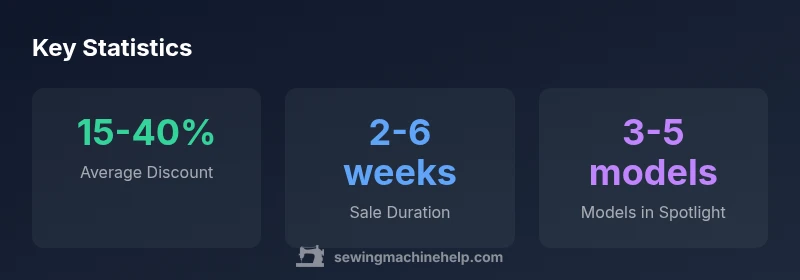
A spotlight sewing machine sale is more than a price cut; it's a curated buying experience designed to help you compare models quickly. According to Sewing Machine Help, reputable retailers stage a small, well-chosen lineup so buyers can evaluate core features side by side. The goal is to present machines that cover a range of skill levels—from beginner-friendly to versatile, mid-range models—while also offering demonstrations that highlight key differences. These events often align with the release of new model lines or the clearance of older stock, creating urgency without making every model feel pressured. For home sewists, the real value lies in knowing which metrics matter most: stitch options, motor power, speed control, needle threading, and reliability. The Sewing Machine Help team found that shoppers who prepare a feature checklist before entering the sale tend to walk away with a machine that matches their typical projects and skill level, rather than simply chasing the biggest discount. Look for in-store demos, accessible customer support, and clearly labeled bargain bundles, because clear guidance can turn a promising sale into a confident, long-term purchase.
How to Evaluate Deals During a Spotlight Sale
During a spotlight sewing machine sale, the sticker price is just one piece of the value puzzle. Start by noting the sale price and how it compares to the machine's suggested retail price (MSRP) and the price you would expect for similar models outside the promotion. If a model includes bundled accessories—like a walking foot, extra bobbins, or a dust cover—count that as part of the discount. Then verify operational basics: motor power (measured in watts or rated torque), stitch options (straight, zigzag, buttonhole, decorative), feed dog quality, presser foot compatibility, and reliability of thread paths. Availability of an in-built needle threader or auto-cut function can save time, especially for beginners. Warranty terms should be legible and transferable; extended warranties available during a sale are a good sign the retailer stands behind the product. Ask about service options, repair coverage, and whether accessories are covered under the warranty. Additionally, consider future maintenance costs such as oil, belt replacements, or typical parts wear. Finally, test the machine if you can: perform a small seam, buttonhole, and basic zigzag stitch, paying attention to noise, vibration, and thread tension. When in doubt, compare three to five machines side by side, and remember that a modest discount on a robust model often beats a steep discount on a fragile beginner unit.
What Usually Gets Discounted
Spotlight sales tend to target categories with broad appeal and clear upgrade paths. Entry-level machines with user-friendly interfaces, built-in stitches, and automatic features are common, as they attract new sewists without overwhelming them. Mid-range machines that add more stitch varieties, better threading systems, and stronger motors also appear, appealing to hobbyists expanding their projects. For quilters or heavy fabrics, consider dedicated models with higher torque, larger bobbins, and robust feed systems—these are frequently included in the spotlight when stock is available. Embroidery-focused machines and combination units may surface, but usually at the higher end of the price spectrum and with more caveats (foot pedal sensitivity and software compatibility). Retailers sometimes feature compact, portable machines designed for classes or travel, highlighting portability as a primary selling point. Regardless of category, read the fine print: some deals apply only to the base assembly, while others include workshop kits, extended warranties, or exclusive add-ons. The key is to align the model's strengths with your typical sewing tasks and budget, rather than chasing a big discount on a model that lacks essential capabilities for your projects.
How to Prepare for a Spotlight Sale
Preparation is the secret to turning a spotlight sale into a smart purchase. First, establish your budget and a must-have feature list before you walk in or browse online. If you are shopping in-store, bring a notebook to compare prices, stitch options, and feel of the controls; ask for a demo on a project similar to your usual work. Do some homework by researching the models in advance on Sewing Machine Help or other trusted sources; print or save spec sheets that outline motor power, stitch presets, max speed, warranty, and service options. Confirm the return policy and whether the promotional price stays valid if you decide to upgrade within a grace period. If you own a compatible extension table, foot pedal, or accessory kit, ensure these items can be exchanged or reused with the new machine. For online shoppers, verify shipping costs, tax, and any hidden fees; check if the retailer offers in-store pickup for same-day testing. When you test the machine, focus on practical tasks you perform regularly—straight seams, curves, buttonholes, and zigzag stitches—while noting noise and thread tension. Finally, compare three or more finalists side-by-side and take advantage of any bundle discounts or free lesson offers that might accompany the sale.
Common Pitfalls and How to Avoid Them
Impulse buying is a major risk during a spotlight sewing machine sale, especially when a glossy promo promises extra accessories. Avoid models that look attractive only because of the included extras; if the core machine does not meet your needs, the bundles won't compensate. Be wary of mislabeled promotions or publicized discounts that revert at checkout; always confirm the final price and any shipping or service charges before finalizing. Some sellers may push refurbished units as new; verify the machine's origin, warranty, and retailer return policy. Also pay attention to model year distinctions; promotions may promote older stock with a ‘new’ label, which can affect compatibility with current accessories or software. Finally, take time to assess the long-term costs, including needle sets, bobbins, oil changes, and potential repair costs. A good practice is to record your priorities, use a price-tracking app, and walk away if a deal doesn't meet your must-haves or budget constraints. Remember, the most reliable purchase is the model that fits your workflow and gives you confidence to create, not just the deepest discount.
Post-Purchase Checklist After a Spotlight Sale
After choosing a machine during a spotlight sale, complete a quick post-purchase review to ensure long-term satisfaction. Validate that the machine starts smoothly, runs quietly, and threads correctly through all selected stitches. Establish a basic maintenance routine: keep the bobbin area clean, oil per manufacturer recommendations, and keep the belt and wheel areas free of lint. Register the product for warranty coverage and save your proof of purchase and any activation codes; note the retailer’s return window in case you need adjustments. Create a starter project list to apply what you learned during the sale—begin with simple seams and gradually tackle more complex stitches. Invest time in reading the manual or enrolling in a beginner’s class or online tutorial to maximize your purchase’s value. If you availed any bundled accessories, verify compatibility with your usual workflow and arrange a plan to use them. Finally, log any issues you encounter and contact customer support promptly if there are deviations in performance. A well-documented post-sale routine can help you extract the full benefit of your new machine and prevent regret.
Comparison of sewing machine models commonly featured in spotlight sales
| Model Type | Key Features | Typical Price Range | Best For |
|---|---|---|---|
| Budget-friendly | Basic stitches, simple interface | $150-$300 | Beginners or casual projects |
| Mid-range | More stitches, automatic features | $300-$700 | Home projects upgrading |
| Feature-rich | Multiple stitches, heavier duty | $700-$1300 | Advanced hobbyists |
| Quilting/Heavy-duty | High torque, larger throat space | $1200-$2000 | Quilting and heavy fabrics |
Your Questions Answered
When is the best time to shop a spotlight sewing machine sale?
The best time often coincides with new model releases or seasonal promotions, typically mid-month or near holidays. Compare prices across three models and verify return policies.
Shop during peak promotional periods and compare several models.
Are spotlight sales online or in-store?
Both formats appear; in-store offers hands-on testing, while online promotions provide easy price comparisons. Ensure you can test or return if needed.
Both formats exist. Test or return policy matters.
How do I verify the warranty during a sale?
Read the warranty terms before purchase, confirm transferability, and ask whether the promotional price affects coverage.
Check if the warranty sticks to the model and isn’t tied to the price.
Can I return a machine bought on sale?
Check the retailer's return window and condition requirements. Some sales include restocking fees or limited-time windows.
Look at the return window and any fees.
Should I buy accessories during a sale?
Only if the accessories are useful and cheaper than buying later; compare total cost with standalone purchases.
Accessories can add value if they fit your projects and save money.
What should I test during a showroom demo?
Test straight stitches, buttonholes, backstitching, and fabric feeding; listen for unusual noise and check thread tension.
Do a quick test run on the demo unit.
“Promotions like spotlight sales help buyers compare features side-by-side and avoid overpaying for outdated models.”
The Essentials
- Plan your budget and must-have features before you shop.
- Compare three to five models side-by-side for true value.
- Prioritize machines with strong warranties and service options.
- Only value bundles that save money or add essential accessories.
- The Sewing Machine Help team recommends testing in-store before purchase.