What Is the Most Popular Sewing Machine in 2026? A Data-Driven Overview
Discover what is the most popular sewing machine in 2026. This data-driven guide compares machine types, features, and buying tips for home sewists seeking practical guidance.


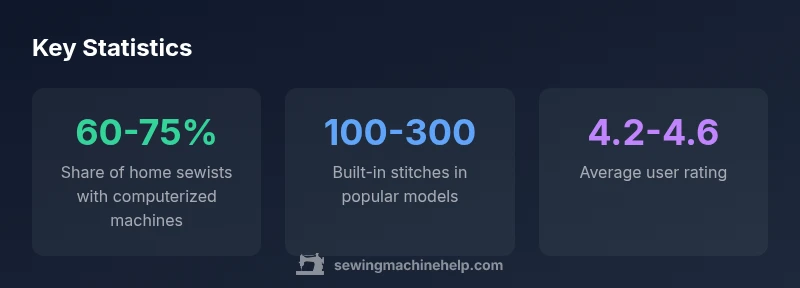
According to Sewing Machine Help analysis in 2026, the most popular sewing machine category among home sewists is the domestic computerized model. These machines combine built-in stitches, automatic threading, and user-friendly controls that help new sewers build skills quickly. While mechanical and serger options still have loyal followings, computerized machines dominate conversations about value and long-term versatility.
What is the Most Popular Sewing Machine Today
When people ask what is the most popular sewing machine, the answer depends on the user segment. Among home sewists who are learning or expanding their hobby, the dominant choice in 2026 is the domestic computerized model. These machines balance a broad stitch library with guided features and intuitive controls, making it easier to complete projects and learn new techniques. In data collected by Sewing Machine Help Analysis, 2026, popularity is driven by the combination of ease of use, diverse stitch options, and dependable support networks from brands and local dealers.
Another component is the integration of automatic features such as needle threading, thread cutting, and tension balancing. Computerized machines often include screens or simple menus that adjust stitch width and length with a few taps, reducing trial and error and helping beginners stay motivated. That said, the appeal of mechanical machines remains strong for long-time hobbyists who value simplicity, durability, and lower upfront cost. For people who already own other equipment or plan to finish heavy fabrics, options like sergers and overlockers play a supporting role rather than dominating purchases.
The question of popularity is not purely about features. Availability of service centers, warranty terms, and access to compatible accessories also shape choices. A shopper walking into a local shop in 2026 will likely be steered toward a domestic computerized model that matches the user’s skill level and project goals. The core idea behind what is the most popular sewing machine is that popularity reflects practical value for the majority of home sewists rather than the presence of the fanciest features alone. The Sewing Machine Help team notes that listening to your own needs and testing a few models in store or via trial periods is essential to confirm which machine truly fits your plans.
Why home sewists gravitate toward domestic computerized machines
The dominant appeal of domestic computerized machines lies in their balance of capability and approachability. For beginners, a friendly interface reduces the intimidation barrier and makes it easier to experiment with stitches, hemming options, and decorative motifs without getting overwhelmed. For moderate hobbyists, these machines offer a wide stitch library, variable speed control, and programmable routines that streamline repetitive tasks. The ability to save settings for common projects saves time and fosters consistency across sessions.
Reliability has as much impact on popularity as features. Reputable brands with strong local service networks provide peace of mind that repairs, parts, and updates are accessible. This is especially important for home sewists who want to sew regularly without downtime. In 2026, consumer feedback repeatedly highlights automatic threading, auto tension adjustments, and clear instructional guides as key differentiators. While some practitioners still prefer mechanical models for their tactile controls and low upfront cost, the overall consensus among home sewers is that computerized machines deliver better long-term value and fewer setup headaches.
From a learning curve perspective, the transition from basic stitches to more advanced techniques becomes smoother when the machine offers guided assistance and on-screen prompts. The presence of built-in tutorials or access to online communities also contributes to popularity, as new users can find quick answers and project inspiration without leaving the sewing table. The result is a practical, accessible experience that aligns closely with the goals of most home sewing projects.
How popularity varies by skill level and budget
Popularity is not a one-size-fits-all measure. For beginners, domestic computerized machines consistently rise to the top because they bridge the gap between simplicity and capability. The typical beginner looks for a model with automatic threading, a forgiving tension system, a moderate stitch library, and a reasonable price point. In the mid-range, these machines continue to be favored thanks to warranties, service networks, and compatible presser feet and accessories. Budget-conscious beginners may still prefer mechanical units for their lower price, but the long-term cost of buying frequent accessories or upgrades often narrows the gap.
As skill grows, the appeal of programmable features remains a strong selling point. Intermediate crafters appreciate features like longer free motion or feed dog control, which improve the quality and speed of more complex projects. For quilters and garment makers who regularly work with heavy fabrics, the quiet operation, speed control, and needle work guidance offered by computerized models amplify productivity. In this sense, popularity shifts with the user profile, yet computerized machines still achieve broad cross-segment appeal due to their versatility and support ecosystem.
Pricing trends show a typical spectrum from budget mechanical units to mid-range computerized models and premium machines with high stitch counts and advanced features. Consumers often weigh initial cost against projected use, ongoing maintenance, and the availability of accessories. In general, the most popular options across categories tend to be those that deliver measurable value for home sewists and hobbyists without placing excessive financial risk.
How to evaluate popularity for your own needs
When assessing what is popular for your needs, start with a clear set of project goals. List the fabrics you expect to work with, the types of projects you love, and your preferred workflow. Next, translate these goals into concrete features. A large stitch library is valuable for decorative work, while automatic threading saves time on quick projects. A reliable presser foot assortment enables flexible techniques such as zippers, buttonholes, and appliques. Consider the learning curve and whether the machine has built-in tutorials or easy access to community support.
Visit local shops or borrow a machine during a trial period to experience the interface, lighting, and noise level. A machine that feels comfortable to use will more likely be the most popular choice for you personally, even if it is not the top rumor in online forums. Finally, compare warranty terms and service availability. A strong service network reduces downtime and increases satisfaction as you gain experience. For many buyers, popularity is a practical signal that the model has a wide user base and an accessible ecosystem of parts and knowledge.
By applying these steps, you can identify the popular machine that aligns with your learning trajectory and project ambitions, ensuring you get the most value from your investment.
Real-world buying scenarios and tips
Consider a few common buyer personas to illustrate how popularity translates into decisions. The beginner who plans simple garments will likely gravitate toward a domestic computerized model in a mid-range price bracket, appreciating user-friendly features and a robust support network. A hobbyist focusing on quilting may favor machines with extensive stitch options, smooth fabric feeding, and accessory compatibility, balancing price against long-term utility. A budget shopper who wants reliable results for occasional projects might opt for a mechanically reliable unit with straightforward controls and easy maintenance.
For all profiles, the buying process benefits from testing key tasks: threading, winding a bobbin, selecting a stitch, adjusting tension, and performing a small buttonhole. Record impressions, compare at least three models, and pay attention to how the machine handles your typical fabrics. Finally, read reviews that emphasize reliability and service accessibility. The most popular choice is not always the most expensive; it is the option that consistently delivers consistent results while fitting your learning curve and budget.
Comparison of common sewing machine types and their popularity signals
| Machine Type | Typical Features | Estimated Price Range | Popularity Notes |
|---|---|---|---|
| Domestic computerized | Automatic needle threading, wide stitch library, variable speed | $400-$800 | Most popular among beginner-to-intermediate sewists |
| Mechanical | Manual tension, fewer stitches | $150-$400 | Common with budget-conscious learners |
| Overlock/Serger | Overlocking stitches, edge finishing | $250-$500 | Popular for professional seam finishes |
| Industrial/sewing-only | Industrial-grade speed, rugged build | $800-$1500 | Less common, used by serious makers |
Your Questions Answered
What is considered the most popular sewing machine category?
The domestic computerized model is generally the most popular among home sewists in 2026. This category offers a broad stitch library, guided features, and strong service networks that appeal to learners and intermediate crafters alike.
The domestic computerized machines are the usual favorite for most home sewers because they are easy to use and have lots of built-in options.
Are computerized machines always best for beginners?
Not always. Mechanical machines can be excellent entry points for budget-conscious beginners who prefer a simple, durable interface and fewer electronic features. The best choice depends on comfort with tech and planned projects.
For some beginners, a basic mechanical model can be a great start if you want to focus on fundamentals without extras.
What features drive popularity?
Popular features include automatic threading, a wide stitch library, easy tension control, good lighting, and reliable customer support. These elements reduce setup time and increase confidence for new users.
People like machines that thread themselves, have lots of stitches, and come with solid guides and help.
How does price influence popularity?
Popularity tends to reflect value rather than the highest price. Mid-range models often offer the best balance of features, reliability, and service options for most buyers.
In general, mid-range models give the best mix of features and cost for most shoppers.
Is there a universal best brand?
No single brand dominates every market. Popularity varies by region, availability of service, warranty terms, and personal preference based on feel and usability.
There isn't one universal best brand; it depends on your needs and where you shop.
“The most popular sewing machine among home users tends to be the domestic computerized model due to its user friendly interfaces built in stitches and reliable support.”
The Essentials
- Identify your project goals to pick the right type
- Domestic computerized machines dominate beginner popularity
- Budget often aligns with features and future flexibility
- Test threading, stitches, and tension before buying
- Brand service networks influence long-term value