Guide to Using a Heavy-Duty Sewing Machine Brother
Learn to choose, thread, set up, and maintain a heavy-duty sewing machine Brother for durable, multi-layer projects. Practical steps for beginners and hobbyists.


With this guide, you will confidently select, set up, and maintain a heavy-duty sewing machine Brother to handle thick fabrics and relentless sewing sessions. You’ll learn essential preparation, proper threading, needle and foot choices, and routine care to extend your machine’s life. By the end, you’ll complete a sample project upgrade-ready for demanding sewing tasks.
Why a Heavy-Duty Sewing Machine Matters for Home Projects
According to Sewing Machine Help, a heavy-duty sewing machine Brother is a workhorse for home sewists who tackle thick fabrics and demanding projects. When you regularly sew denim, canvas, faux leather, or layered quilts, a machine with a sturdy frame and robust motor makes a noticeable difference in speed, feed consistency, and needle control. In this article we explore why investing in a heavy-duty Brother can expand your project options, reduce hand sewing, and improve stitch quality over time. A metal frame minimizes vibration, a stronger presser foot pressure helps feed multi-layer fabrics evenly, and reliable hook timing ensures consistent stitches. For hobbyists and beginners, the payoff is cleaner seams, fewer skipped stitches, and more confidence with stubborn materials. Building a routine around correct setup and maintenance pays dividends across projects.
- Benefits include durability and cleaner stitches.
- You can tackle jackets, canvas totes, denim jeans, and reinforced hems with less effort.
- The goal is consistent performance, not just speed.
Understanding the Brother Advantage
Brother heavy-duty models are designed for reliability in home workshops. They combine metal frames, higher-torque motors, and precise feed systems to handle thick fabrics. The result is smoother seams with fewer thread breaks, even when sewing layered material. The brand’s approach emphasizes accessibility, with user-friendly tension control, clear bobbin winding, and simple foot changes. By understanding these advantages, you can pick a model that matches your skill level and typical projects while keeping maintenance realistic for a busy sewing routine.
Key Features to Look For
When evaluating a heavy-duty sewing machine from Brother, prioritize the following features:
- Metal chassis or reinforced frame for stability on thick layers
- Adjustable presser foot pressure to suit fabric height and density
- Strong, consistent feeding with durable feed dogs or dual-feed system
- Robust motor with adjustable speed control for controlled stitching
- Easy needle and presser-foot changes with clear guides
- Separate top thread tension adjustment and reliable bobbin mechanism
- Compatibility with walking feet and other heavy-duty presser feet
- High-quality stitch balance and dependable reverse stitching for finishing
How to Set Up and Thread a Heavy-Duty Brother
Proper setup reduces the risk of skipped stitches and fabric jams. Start with the machine unplugged on a stable surface. Wind a bobbin according to the manual, then thread the top path following the thread guides. Install a needle appropriate for your fabric and attach a walking foot if you’ll sew multiple layers. Check that the needle is inserted fully and the presser foot is down before testing on scraps.
Best Practices for Thick Fabrics
Thick fabrics benefit from a slower, steady pace and careful fabric support. Use a walking foot to minimize shifting, and select a straight stitch for strength unless your project requires a reinforced zigzag. Maintain a generous seam allowance and backstitch at the start and end. If the fabric feeds unevenly, pause to readjust your grip and guide the fabric with both hands. Always test on a scrap to confirm stitch balance.
Maintenance and Troubleshooting Common Issues
Regular maintenance keeps a heavy-duty Brother performing well. Clean lint from the bobbin area, oil as recommended in the manual, and replace needles after sewing multiple layers or rough fabrics. Common issues include thread nests under the fabric, skipped stitches, and uneven tension. Solutions often involve re-threading, cleaning the bobbin housing, and verifying needle type and size. When problems persist, consult the manual or a trusted technician.
How to Choose the Right Model for Your Projects
Start by matching your typical fabrics (denim, canvas, leather) with a model that offers appropriate feed and needle capability. Set a budget and pick essential features first, such as a metal frame, adjustable presser foot pressure, and reliable tension. If you’re new to heavy-duty sewing, look for beginner-friendly presets and good online tutorials. More advanced users may want faster speeds, better thread cutting options, and compatibility with specialty feet.
Quick Start Guide for Beginners
If you’re new to heavy-duty sewing, begin with a small project and simple seams. Gather your materials, thread the machine, and practice on a scrap before moving to the actual fabric. Start with a straight stitch on medium fabric, then gradually test a reinforced stitch. Keep a log of stitch settings that worked for future reference, and always clean the machine after finishing.
Safety and Common Mistakes to Avoid
Always unplug the machine when changing needles or presser feet. Keep fingers away from the moving needle while sewing and maintain a tidy workspace to prevent accidents. Common mistakes include forcing fabric, using the wrong needle for the fabric, and neglecting regular maintenance. Take your time, test settings on scraps, and respect the machine’s limits to prevent damage.
Tools & Materials
- Sewing needle set for heavy fabrics(Includes denim and leather-point options)
- Walking foot or dual-feed foot(For multi-layer fabrics)
- Extra bobbins and bobbin case(Have spares for continuous sewing)
- Top-stitch and all-purpose polyester thread(Strong, durable thread)
- Screwdriver set and needle-nose pliers(For adjustments and maintenance)
- Sewing machine oil and lint brush(Lubrication and cleaning after use)
- Fabric scissors, marking chalk, rulers(Cut and mark fabric accurately)
- Manual for your Brother model(Reference for model-specific steps)
Steps
Estimated time: 60-120 minutes
- 1
Assess your project needs
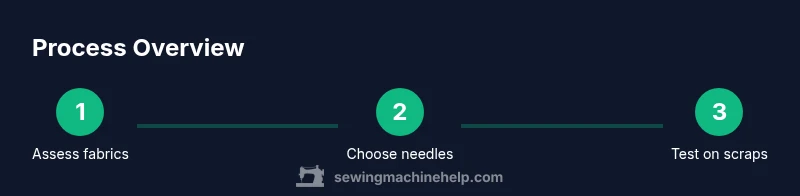
Before starting, identify fabric weight, layers, and seam type. This informs needle choice, foot selection, and stitch settings. Having a plan prevents mid-project changes that slow you down.
Tip: Document fabric type and projects so you can reuse the settings later. - 2
Gather tools and notions
Collect the right needle, thread, presser feet, and marking tools. Ensure you have spare bobbins and a clean workspace.
Tip: Lay out items in the order you’ll use them to speed setup. - 3
Prepare the machine and workspace
Place the machine on a stable table, plug in power, and clear debris. Warm up by running a length of scrap fabric under minimal tension to check stitching.
Tip: Keep your cords away from cutting paths to avoid accidents. - 4
Wind bobbin and thread top
Wind a smooth, even bobbin and thread the top path following the manual. Confirm the bobbin is seated correctly to avoid nesting.
Tip: Use fresh thread and avoid tangled winding. - 5
Install needle and presser foot
Insert a needle appropriate for thick fabrics and attach a walking foot if you’ll sew multiple layers. Tighten screws securely but avoid over-tightening.
Tip: Always turn off and unplug the machine when changing needles. - 6
Set tension and stitch selection
Start with the straight stitch on scrap fabric and adjust tension gradually. For dense fabrics, slower speed helps prevent skipped stitches.
Tip: Test multiple stitch types on scrap before finalizing. - 7
Test on scrap fabric
Sew a seam on scrap that mimics your real project to observe feed and stitch balance. Adjust foot pressure and needle if needed.
Tip: Look for consistent stitch length across the seam. - 8
Sew the project with care
Proceed slowly with multi-layer pieces. Support the fabric ahead of the needle to prevent bunching and puckering.
Tip: Backstitch at the beginning and end to lock threads. - 9
Finish and trim
Trim threads, secure ends, and press seams as you finish. Clean the feed dogs and air out lint after finishing.
Tip: Store your tools in a dedicated sewing area for quick access. - 10
Maintain for longevity
After sewing, oil the machine as recommended and perform a quick cleanup. Regular maintenance extends life and performance.
Tip: Schedule routine cleanings to prevent buildup on the hook and feed system.
Your Questions Answered
What makes a heavy-duty Brother sewing machine suitable for thick fabrics?
Heavy-duty Brother machines use a sturdy frame, stronger motor, and higher presser foot pressure to feed multiple layers smoothly. Proper needle and foot selection also improves performance.
Brother's heavy-duty machines are built for thick fabrics thanks to their sturdy frame and stronger motors, with the right needle and foot.
Do I need special needles for leather or denim?
Yes. Use heavy-duty denim needles for denim and leather-point needles for leather. Regular needles may break or skip stitches on tough fabrics.
Yes. For denim or leather, pick heavier needles appropriate for the material.
Can I use regular presser feet with a heavy-duty model?
Most Brother heavy-duty machines accept standard snap-on presser feet, but check your model's foot compatibility and shank type for best results.
Most have standard feet, but verify compatibility for your model.
How often should I oil and clean my Brother heavy-duty machine?
Refer to the manual for oiling intervals; perform routine cleaning after sewing sessions to prevent lint buildup.
Follow the manual for oiling intervals and clean after sewing sessions.
Is it safe to sew through multiple layers of canvas?
Yes, with the right needle, foot, and a slow speed. Support the fabric and backstitch to secure the seam.
Yes—use the right needle, go slow, and backstitch.
Watch Video
The Essentials
- Choose the right needle and foot for thick fabrics.
- Thread and test before sewing to prevent issues.
- Maintain the machine routinely for longevity.
- Practice on scraps before tackling real projects.