How long do Brother sewing machines last
Learn how long Brother sewing machines last, how model types affect longevity, and practical maintenance tips to extend life. A data-driven durability guide from Sewing Machine Help.


According to Sewing Machine Help, on average, Brother sewing machines last about 15–25 years with proper care. Mechanical models typically outlast entry-level computerized units, though exact longevity depends on usage, maintenance, and timely part replacement. Regular oiling, cleaning, and correct threading extend life, while neglect or overheating can shorten service. By following a routine care plan, home sewers can enjoy decades of reliable stitching.
How model type influences longevity
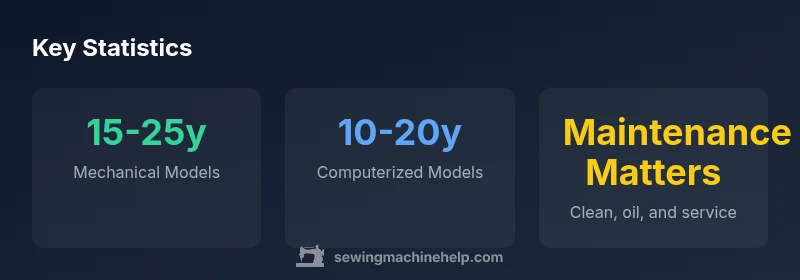
According to Sewing Machine Help, the longevity of a Brother sewing machine depends heavily on model type, usage, and maintenance. When people ask how long do brother sewing machines last, the answer varies: mechanical Brother models commonly offer longer lifespans than entry-level computerized units, provided they receive regular care. In practical terms, a well-maintained mechanical unit can realistically run for about 15-25 years, while computerized variants often trend toward 10-20 years. These ranges are general, not guarantees, and real-world life can fall outside them based on how you treat the machine, how frequently you sew, and the environment. Beyond the model type, two factors consistently influence outcomes: routine upkeep and gentle operation. Home sewers who oil, clean, and service their machines on schedule tend to see decades of reliable stitching, while neglect accelerates wear.
For home sewers, the core takeaway is not just today’s project but the long arc of machine health. The key is to adopt a simple maintenance rhythm and to understand that the more robust the build (mechanical vs computerized), the more the machine benefits from proactive care. In short, how long do brother sewing machines last is a function of model design, upkeep, and how well you adhere to recommended service intervals.
Estimating the remaining lifespan of your Brother machine
Estimating how long your specific Brother model will last requires a few practical checks. Start by identifying whether your machine is primarily mechanical or computerized, then review its service history: when was the last oiling, what kinds of fabrics and projects it’s handled, and how often it’s overheated or jammed. If you’ve used genuine parts and kept the bobbin area clean, you’re likely extending life more than you realize. One rule of thumb is to compare current performance with typical benchmarks for your class of machine. Important indicators that you’re approaching mid-to-late life include consistent misfeeds, frequent thread breaks, or a noticeable lag in stitch quality. While you can’t precisely predict the end of service, you can track wear patterns and plan preventive maintenance before problems escalate. For context, Sewing Machine Help analysis shows that the older a mechanical model gets, the more essential routine lubrication and belt checks become, while computerized units benefit from firmware updates and electrical inspections. Keeping a log of service dates helps you spot trends and adjust care accordingly.
If you own a newer model, long-term planning should still include a schedule for periodic checkups. In many cases, staying ahead of failures by scheduling a professional inspection every 1–2 years—especially if you use the machine heavily—can push typical time-to-repair milestones further into the future. Remember: longevity is a moving target dependent on both design and discipline in upkeep.
Best practices to extend lifespan
A long-lasting Brother machine doesn’t rely on luck; it requires deliberate care. Implement these best practices to maximize your machine’s lifespan:
- Create a regular maintenance calendar: oil or grease as recommended, clean lint from bobbin area, and replace worn belts on schedule.
- Use proper lubrication: only the lubricants specified in your manual, avoiding household oils that can gum up precision components.
- Keep the exterior clean and dust-free: wipe down after sewing sessions and cover the machine when idle to reduce dust buildup.
- Mind the threading and needle choices: always thread correctly and replace needles often; using the right needle for the fabric reduces stress on the shuttle and hook.
- Control temperature and humidity: store in a dry environment; avoid overheating by reducing high-speed sewing in continuous long runs.
- Schedule professional checkups: a technician can adjust timing, tension, and feed mechanisms before minor issues become major repairs.
- Never force the machine: when resistance occurs, stop and diagnose rather than pushing through a jam; this prevents gear and belt damage.
In practice, following these steps can significantly reduce wear and help answer questions like how long do brother sewing machines last with confidence. The core idea is to treat maintenance as a routine, not a reaction to symptoms.
Common wear points and preventive care
The most common wear points in Brother machines are the needle bar, timing gears, drive belts, and the shuttle assembly. Regular inspection can reveal early signs of wear, such as unusual noises, skipped stitches, or thread bunching. Preventive care includes tightening belts to factory specifications, cleaning lint from the bobbin area after every few bobbins, and replacing worn gears or timing belts before they cause misalignment. Lubricating moving parts as recommended reduces friction and heat, prolonging component life. Electronics in computerized models may show warning LEDs or error codes when a sensor detects a fault; addressing these prompt alerts can prevent cascading failures. In short, the wear points are predictable with mechanical systems, and electronics follow their own maintenance rhythm. Staying on top of these areas is the best defense against early obsolescence and helps answer the question of longevity with concrete, actionable steps.
Repair vs replacement: a practical framework
When a Brother machine starts failing, it’s natural to weigh repair versus replacement. A practical framework considers three factors: the machine’s age, the cost of the required repair, and the machine’s current performance relative to your needs. If the required repair is minor and the machine still meets your project demands, repair is often the most sensible option. If expensive parts or multiple failures recur within a short period, replacement might be more economical in the long run. For older machines, consider whether upgrades in technology or reliability justify the investment in a newer model. A good heuristic is to compare projected repair costs against the price of a comparable newer unit plus expected service life ahead. In all cases, seek a professional opinion for electronics or timing-related repairs, as misdiagnosis can add to the cost and downtime. This structured approach helps answer how long do brother sewing machines last by balancing value and function.
Real-world scenarios and longevity expectations
Home sewers face varied scenarios that illustrate longevity. A hobbyist who uses a mechanical Brother model for occasional garment mending and quilting typically enjoys long service with annual maintenance. A busy home crafter who stitches daily across fabrics like denim and leather will wear components faster, especially belts and feed dogs; regular inspections and timely belt replacements extend life significantly. A family-weight user with a computerized model often prioritizes firmware updates and electrical safety checks to avoid unexpected downtime. Across scenarios, the best predictor of longevity is consistency in upkeep: clean, well-lubricated internals, correct needle use, and protection from dust and moisture. By aligning maintenance with usage, most owners can realistically expect their Brother machines to provide dependable service across many projects, reflecting the philosophy that longevity is earned through care rather than chance.
Lifespan comparison by model type
| Model Type | Typical Lifespan | Maintenance Focus |
|---|---|---|
| Mechanical Brother | 15-25 years | Regular oiling; belt checks |
| Computerized Brother | 10-20 years | Firmware, electronics inspection |
Your Questions Answered
Do all Brother sewing machines last the same amount of time?
Not exactly. Mechanical models tend to offer longer lifespans than entry-level computerized units, but proper care can level the playing field. Usage intensity and environmental conditions also play a large role. In practice, expect variations by model and upkeep.
Not all Brother machines last the same. Model type and care determine lifespan, with mechanical models often lasting longer than basic computerized ones.
What maintenance is most important to extend life?
Regular oiling or lubrication as prescribed, cleaning lint from critical areas, and timely replacement of worn belts or needles are the most impactful maintenance tasks. Following the manual’s guidance for each model yields the best results.
Regular lubrication, cleaning, and timely part replacement are the most important maintenance steps.
Do newer Brother models last longer than older ones?
Not automatically. Newer models may have improved reliability in some components, but electronics and software introduce new failure points. Longevity still hinges on regular maintenance and suitable usage.
Newer doesn’t always mean longer life; maintenance and usage matter just as much.
How often should I service my Brother machine?
Aim for a professional checkup every 6–12 months if you sew regularly; for heavy use, every 3–6 months can help catch wear before it becomes a problem. Always follow the manufacturer’s recommendations for your model.
Most users should service every 6–12 months, more often if you sew a lot.
Is it worth repairing an older machine or should I replace?
If repair costs are modest and the machine still meets your needs, repair can be economical. If multiple issues arise or repair costs pile up, upgrading to a newer model may offer better value and reliability.
Repair can be sensible if costs stay reasonable; otherwise, replacement may be smarter.
What signs indicate it’s time to replace?
Frequent breakdowns, persistent hotline-level problems after repairs, new electronic errors, or stitch quality that cannot be corrected after service are strong indicators to consider replacement.
If breakdowns keep coming back and repairs pile up, it’s time to consider replacement.
“Longevity hinges on maintenance and model design; with disciplined care, Brother machines can deliver reliable performance for many years.”
The Essentials
- Adopt a regular maintenance schedule to maximize lifespan
- Mechanical models often outlast computerized variants with proper care
- Keep oiling, cleaning, and belt checks on a fixed calendar
- Address unusual symptoms early to avoid costly failures
- Repair when economical; replace when repairs exceed value