How to Get Rid of an Old Singer Sewing Machine Safely
Learn practical, step-by-step methods to responsibly dispose of a Singer sewing machine: donate, sell, recycle, or dispose as a last resort. Includes prep tips, safety notes, and local guidance for home sewers.


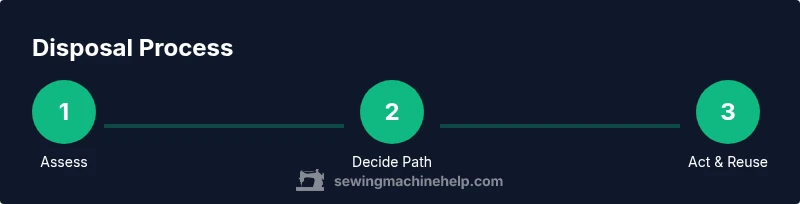
By the end of this guide, you’ll know how to get rid of an old Singer sewing machine responsibly. You can donate, sell for parts, recycle, or dispose as a last resort. Start by assessing condition, then choose the path that maximizes reuse and minimizes waste.
Why getting rid of old Singer sewing machine responsibly matters
Disposing of large, old tools requires thought beyond simply tossing them in the trash. A Singer sewing machine is more than a metal shell; it contains moving parts, belts, wires, and sometimes older components that may pose hazards if mishandled. According to Sewing Machine Help, responsible disposal reduces environmental impact, supports community reuse, and helps you avoid local violations. The Sewing Machine Help team emphasizes that a thoughtful approach protects neighbors who may rely on donated machines for repairs, education, or creative projects. By choosing a path that fits your machine's condition, you help keep repair ecosystems active and make it easier for others to get started with sewing. This guidance stresses that a donor path, sale, or careful recycling is preferable to landfill whenever alternatives exist. You’ll also learn to assess what you actually own, so you don’t overpay for removal services or miss a chance to put the machine to good use.
Quick check: what condition is your machine in?
Take a moment to inspect the machine before you decide how to dispose of it. If the machine still runs or can be repaired with basic adjustments, donations or sale may be preferable to ensure continued use. For machines that are seized with rust, grinding noises, or missing essential parts, recycling or e-waste drop-offs may be the practical path. The goal is to maximize reuse while minimizing waste. As Sewing Machine Help notes, documenting the model, serial number, and any faults helps charities and recyclers determine whether they can take it. If you’re unsure, start with a simple condition assessment: does the motor turn freely, is the belt intact, and are there any exposed wires or frayed cords? These details guide your best option and help you communicate clearly with potential recipients.
Donation options: charities, thrift stores, and community centers
Donating is often the simplest way to give a machine a second life. Start by calling local thrift stores, shelters, or community centers to confirm they accept old sewing machines and what condition is required. Many programs prefer machines that are clean, with intact bobbins and accessories, and in working order or fixable with minor repair. If you have manuals and spare parts, include them to increase the chance of reuse. For refurbished programs, you can also donate through national organizations that route items to schools or makerspaces. Always request a receipt for your records and ask about transfer of ownership or tax documentation if applicable. If distance is an issue, some organizations will accept photos or a description to confirm suitability before pickup.
Selling for parts or working value: how to price and list
If the machine has some life left, prices vary by model, age, and condition. Take good photos of the exterior, the needle area, the bobbin case, and the plug and cord. Be honest about faults in the listing and set a fair price; consider selling for parts if the case is dented or the motor runs poorly. Describing what’s included (carrying case, manuals, presser feet) helps buyers. For collectors or hobbyists, even non-working machines may fetch interest for spare parts. Platforms that cater to sewing enthusiasts are often best for these listings. When pricing, reference local marketplaces to gauge demand and avoid overpricing or underpricing that diminishes trust. Ensure the listing emphasizes any included accessories and the machine’s history.
Recycling options: metal, plastics, electronics recycling
If donation or sale isn’t possible, recycling is the next best option. Check with your city’s e-waste program or household hazardous waste facility about accepting sewing machines. Some programs disassemble machines and recycle aluminum frames, steel components, and plastics, while others require you to remove batteries or power cords first. Do not place electrical components in regular trash unless your local program explicitly allows it. Always follow the recycler’s guidelines to ensure safe handling. If you’re unsure who to contact, start with municipal waste management websites or call a local curbside service to request guidance on bulky-item recycling.
Preparation steps: cleaning, disassembly and documentation
Before handing over or listing your machine, clean it thoroughly with a soft cloth and a mild cleaner. Unplug, remove cords, and detach accessories such as feet, needles, and presser feet. Keep screws in labeled bags and photograph the machine from multiple angles. Create a simple inventory list: model, year, included parts, and any known faults. This preparation speeds up donation or sale and reduces back-and-forth communication. If you have the original manual, digital copies are helpful for prospective recipients. Store small parts in clearly labeled containers to avoid losing essential items during transfer.
Handling logistics: packing, shipping, or drop-off
Pack carefully to protect metal and plastic parts during transit. Use a sturdy box or crate with cushioning, especially around the motor and bobbin area. If shipping, request a courier that offers insurance for fragile items. If dropping off, bring a receipt or donation form and confirm where to leave the machine. For very heavy machines, enlist a friend or professional mover to avoid injury. Ensure cords are coiled and taped, and remove sharp components that could snag packing materials. Clear labeling helps volunteers understand what you are donating and where to place it.
Common mistakes to avoid and safety reminders
Avoid dumping a machine with hazardous cords or batteries in regular trash. Never attempt full disassembly without proper knowledge; some components can pinch or cut. Always unplug before any handling and wear gloves to protect against sharp edges. Do not misrepresent the machine’s condition in a listing, which harms trust and may violate consumer laws. If parts are missing, be upfront about it and explain alternatives (e.g., replacement parts or salvage). Finally, don’t assume that donated machines will be accepted everywhere; call ahead to confirm acceptance policies and pickup availability.
Quick post-disposal checklist and next steps
After disposal, update your records and keep any donation receipts. If you donated, verify that the organization accepted the item and requested any follow-up details. If you sold, confirm payment and provide the buyer with any parts manuals. Finally, reflect on future disposal: consider downsizing to a smaller, simpler machine or keeping a spare unit until you’re ready for an upgrade. A simple, well-documented process makes future changes smoother and reduces waste.
Tools & Materials
- Screwdriver set (Phillips and flat-head)(Flat-head for covers; Phillips for screws on the chassis)
- Needle-nose pliers(Useful for removing stubborn accessories or belts)
- Work gloves(Protect hands from sharp edges)
- Soft cloths and mild cleaner(For cleaning surfaces without leaving residue)
- Small plastic bags and labels(Store screws, feet, and small parts separately)
- Box or bubble wrap(Protect machine during transport)
- Manual and spare parts (if available)(Helpful for recipients and salvage value)
Steps
Estimated time: 60-120 minutes
- 1
Unplug and disconnect power
Ensure the machine is unplugged from any outlet and that the power cord is removed from the machine. Check for any residual charge in any connected electronics. This step prevents electric shock during handling and disassembly.
Tip: Always start by unplugging to minimize risk. - 2
Assess overall condition
Test whether the machine turns, sounds smooth, and whether belts and moving parts respond normally. Note any rust, corrosion, frayed cords, or missing parts. Document faults with photos to aid the recipient or recycler in evaluating the item.
Tip: Take close-up photos of any faults for accuracy. - 3
Decide disposal path
Choose between donation, sale, or recycling based on condition and local options. If the machine is nonfunctional, recycling or e-waste drop-off is often the best choice. If it’s repairable, donating to a maker space or charity is ideal.
Tip: Call ahead to confirm acceptance guidelines before moving the item. - 4
Gather accessories and documentation
Collect manuals, bobbins, feet, extra needles, and cords. Put small parts in labeled bags and keep the manual with the machine. This improves reuse chances and helps future owners.
Tip: Include a short note describing included parts to avoid confusion. - 5
Clean and prepare the machine
Wipe the exterior with a soft cloth; avoid soaking or moisture. Remove the needle and detatch removable presser feet. Dry thoroughly before packaging to prevent rust.
Tip: Keep liquids away from internal components; use only a damp cloth if needed. - 6
Photograph and inventory
Take multiple angles: front, back, sides, and each important component. Write a brief inventory including model, year, and any known faults. This speeds up the recipient’s decision and helps with pricing if you sell.
Tip: Photos should be well-lit and in focus; include close-ups of the motor and cords. - 7
Find recipient or recycler
Contact local charities, thrift stores, maker spaces, or recycling programs to confirm acceptance. If recycling, follow their instructions for drop-off. If donating, obtain confirmation and a receipt where possible.
Tip: Ask about pickup options if the item is bulky or heavy. - 8
Arrange drop-off or shipping
Package the machine securely, using padding around all sides. If shipping, choose insured freight or courier. If dropping off, bring any required documents and ensure someone at the destination is ready to receive.
Tip: Use a sturdy box with internal cushioning; label as fragile.
Your Questions Answered
Can I donate a broken Singer sewing machine?
Yes, many programs accept machines for parts or repair. Call ahead to confirm whether they can take your unit, especially if it’s nonfunctional or missing parts. Including manuals and accessories improves acceptance odds.
Yes, some programs will accept a broken machine for parts or repair; call ahead to confirm and include any manuals or accessories to help.
Will I get money for an old Singer sewing machine?
Most individuals donate rather than sell for cash, especially for nonworking units. You might earn a small amount if selling for parts or a salvage value, but many buyers want fully functional items. Consider donation first and selling only if a buyer shows interest.
Most people don’t get cash for a nonworking machine; selling for parts is possible, but donations are more common.
What about the power cord and accessories?
Include the power cord and any compatible feet or attachments if available. Donors and buyers appreciate complete bundles. If cords are damaged, note this in your listing and only include safe cords.
Include cords and parts if available; if not, be clear about what’s missing so buyers or donors know what to expect.
How do I know if a recycler accepts sewing machines?
Check with your city’s e-waste program or local recycler. Some programs will accept the whole unit, while others require you to remove certain components first. Always follow their submission guidelines.
Contact your local recycler to confirm whether they accept sewing machines and what you need to prepare.
Are there safety concerns I should address?
Yes. Always unplug completely, remove the needle, and avoid handling sharp edges without gloves. Keep small parts in labeled bags and avoid dragging a heavy machine on stairs without help.
Unplug first, remove the needle, and wear gloves to protect yourself from sharp edges.
What if I can’t find a recipient nearby?
If you can’t find a local recipient, consider a national charity that routes items or a local e-waste event. Online forums and maker spaces may also accept donations through mailing programs. Don’t let the machine sit unused for long.
If no local recipient is available, look for national charities or e-waste events that accept used machines.
Watch Video
The Essentials
- Assess machine condition before choosing a path
- Donations and sales maximize reuse when possible
- Recycling is best for nonfunctional units
- Prepare and document parts to facilitate acceptance
- Follow local guidelines for bulky-item disposal