Singer 6180: Features, Care, and Troubleshooting
Discover how the singer 6180 sewing machine performs, its stitch options, and practical maintenance tips for beginners and hobbyists seeking reliable, easy-to-use gear.


The Singer 6180 is a computerized sewing machine favored by home sewists for its diverse stitch options and user-friendly features. It typically offers a broad selection of built-in stitches, adjustable tension, and automatic needle threading, making common projects easier. For beginners, its intuitive layout helps learn basic and intermediate techniques without overwhelming complexity.
Overview of the singer 6180
The singer 6180 is a reliable, computerized sewing machine designed for home sewers who want a balance of versatility and simplicity. It is marketed toward beginners and hobbyists seeking a dependable tool for project variety, from hems and seams to lighter quilting tasks. The model emphasizes ease of use with an intuitive layout, clear labeling, and a generous stitch library that covers basic utility stitches as well as decorative options. In everyday practice, the singer 6180 tends to thread smoothly, respond predictably to tension adjustments, and offer straightforward speed control for precise results. For many users, the combination of automatic features and a helpful instructional display reduces setup time and minimizes first-project mistakes. While not a heavy-duty industrial unit, the singer 6180 performs well on standard fabrics such as cotton, linen, and light denim when used with appropriate needles and threads. This section examines what makes it suitable for a beginner-friendly sewing routine in 2026.
Design and ergonomics
The machine’s exterior presents a compact footprint that fits common home sewing desks without dominating space. The surface is smooth, with a clearly marked stitch dial and a simple presser-foot lever. Weight is manageable, which helps during transport for classes or craft groups, while stability is maintained when the accessory table is extended. The needle area is well-lit by a built-in LED, aiding visibility in low-light conditions. Controls are organized into logical zones: stitch selection on one side, speed control within easy reach, and bobbin winding on a dedicated panel. The balance of weight and ergonomics helps reduce fatigue during longer sessions. When set up on a stable surface and kept away from drafts or vibrations, the singer 6180 remains steady through most standard seams. For best results, keep the work area clutter-free and use the supplied auxiliary foot to improve fabric handling on slippery materials.
Stitch library and built-in programs
A central strength of the singer 6180 is its built-in stitch library, which supports a variety of tasks from basic seams to decorative edging. The machine typically includes utility stitches for straight and zigzag seams, as well as a selection of decorative and stretch stitches that expand the range of possible projects. The variety is particularly appealing for beginners who want to experiment with different finishes without buying additional attachments. When choosing a stitch, observe the suggested presser-foot and tension settings in the on-screen or printed guide, then test on scrap fabric before tackling a project. For hem finishes, topstitching, and applique, the available options generally cover common approaches. If your project calls for precise alignment, use the needle position controls to adjust for center seams or patchwork sections. Remember that stitch length and width adjustments influence fabric behavior, so small changes can yield noticeably different results.
User interface and learning curve
In practice, the singer 6180 presents a straightforward interface that supports quick learning for first-time users. An LED display or clear labeling communicates the selected stitch, its length, and width, making it easier to replicate patterns. The presence of automatic features such as needle threading and winding helps reduce setup time, which is particularly valuable when learning. For beginners, a guided dial or quick-start options can shorten the path from unboxing to completed sample swatch. Practice projects like a simple pillow cover or tote bag provide hands-on familiarity with stitch transitions and edge finishes. As confidence grows, you can experiment with adjustment settings—alterting stitch density, tension, and foot pressure—to achieve professional results on a range of fabrics. The key is to progress gradually, verifying outcomes on scrap fabric before committing to a final piece.
Maintenance and care essentials
Ongoing maintenance is essential to keep the singer 6180 performing reliably. A regular cleaning routine removes lint from the feed dogs and bobbin area, reducing stitch snagging and thread breakage. After heavy use, wipe the exterior with a soft damp cloth and dry thoroughly. Replace needles frequently—preferably at the start of new projects or after a few hours of sewing—to prevent skipped stitches and fabric pulls. Oil the recommended moving parts as described in the user manual to minimize wear. Cover the machine when not in use to prevent dust accumulation. If you store it for extended periods, run a test stitch through scrap fabric to ensure the mechanism remains smooth. Finally, use quality threads and standard needles suitable for the fabric weight; this minimizes tension fluctuations that can affect stitch quality.
Troubleshooting common issues
Even well-maintained machines experience hiccups. Common issues with the singer 6180 include occasional bird nesting or skipped stitches, often caused by incorrect needle type or tension settings. Start by re-threading the needle from the correct spool path and check that the bobbin is wound smoothly. If tension seems off, test a few stitches on scrap fabric with different tension values and note the behavior. Noise or vibration can indicate loose screws or a loose presser-foot; re-seat components and ensure the machine sits on a level surface. A jammed feed dog is typically resolved by turning off the machine, removing the fabric, and cleaning the area. If the problem persists, consult the manual or contact support for guidance on more advanced adjustments. Regular maintenance reduces the frequency of these issues.
Accessories and compatibility tips
The singer 6180 is designed to work with standard presser feet and commonly available bobbins. If you plan specialized projects, consider compatible feet such as a walking foot for thicker fabrics or a narrow foot for precision quilting. When selecting threads, match weight to fabric, with lighter threads for delicate fabrics and stronger threads for thicker textiles. Before purchasing third-party attachments, verify compatibility with the 6180’s shank type and the stitch width range. Keep a spare needle assortment on hand, including ballpoint and sharp types, to tackle diverse materials. To extend dust protection and reduce snagging, store accessories in the included case or a dedicated box. If you frequently switch between fabrics, a quick-adjust tension guide can help maintain consistent results across projects.
Getting the best results on common fabrics
For cotton and linen, use a standard universal needle and mid-range stitch length to achieve clean seams without puckering. Slippery fabrics such as satin or chiffon benefit from a walking foot and a shorter stitch length combined with stabilized backing. Denim and canvas require stronger needles and slower sewing speed to control fiber shifts, while preventing skipped stitches. Testing is essential: sew a practice seam on scrap fabric to calibrate tension, needle type, and stitch length before committing. For knit fabrics, enable stretch stitches and use a ballpoint needle to minimize snags. When finishing raw edges, select an appropriate overedge or zigzag setting and consider a narrow hem to reduce bulk. Finally, keep your machine clean and lubed, and replace the needle after completing each project to maintain consistent performance.
Next steps for new users
If you’re new to the singer 6180, start with simple projects like a pillow cover or tote to build comfort with stitch transitions and fabric handling. Review the manual’s beginner sections and experiment with a few presets before customizing settings. Keep a log of what works best for each fabric type, and consult reliable resources for troubleshooting. Once you’re comfortable, you can explore more decorative stitches and small quilting projects.
Feature overview table
| Aspect | Singer 6180 Feature | Practical Insight |
|---|---|---|
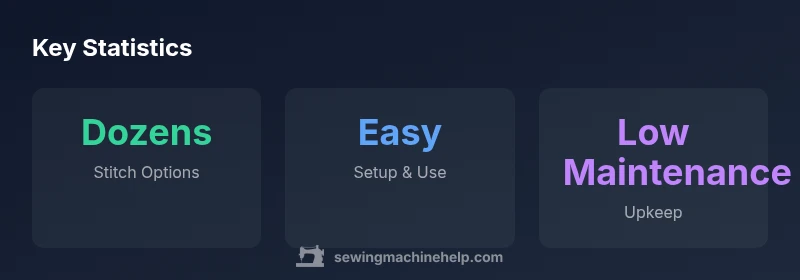
| Stitch library | dozens of stitches | Great for decorative projects |
| Ease of use | friendly controls and LED display | Ideal for beginners |
| Maintenance | cleaning and oiling routine | Key to longevity |
Your Questions Answered
What fabrics is the singer 6180 best suited for?
The singer 6180 handles lightweight to medium-weight fabrics well, such as cotton and linen. For heavier materials, you may need adjustments, a stronger needle, or a walking foot.
It handles lightweight to medium fabrics well; for heavy fabrics, adjust tension and use appropriate feet.
Does the singer 6180 include an automatic needle threader?
Yes, the machine includes an automatic needle threader to speed up setup.
Yes, it has an automatic needle threader.
How often should I clean and oil the singer 6180?
Clean lint from the feed area after use and oil moving parts as directed in the manual, typically during routine maintenance.
Clean lint after use and oil as directed in the manual.
Can I use third-party attachments with the singer 6180?
Only attachments that are compatible with the 6180’s shank type and stitch width should be used to avoid performance issues.
Only use compatible attachments with the 6180.
Is maintenance required to keep warranty valid?
Follow the manufacturer guidelines for maintenance; improper care can affect warranty terms, so refer to the official terms for details.
Follow the manual’s maintenance guidelines to protect your warranty.
“The singer 6180 delivers reliable performance for hobbyists when used with proper care. Its learning curve is gentle, and its stitch options cover common projects.”
The Essentials
- The singer 6180 offers beginner-friendly features with a broad stitch library
- Regular maintenance extends the machine’s life and performance
- Use appropriate needles and threads for fabrics to avoid thread breaks
- Consult troubleshooting steps before service to save downtime