How to Clean Sewing Machine Feed Dogs
Learn how to clean sewing machine feed dogs safely with a practical, step-by-step guide. Discover tools, techniques, and maintenance tips to restore stitch quality and prevent jams.


To clean sewing machine feed dogs, power off the machine, remove the bobbin area cover, and gently remove lint using a soft brush and tweezers. Work in small sections around the teeth, then test on scrap fabric. Reassemble, lubricate as needed per your manual, and run a test stitch. This routine helps maintain even fabric feeding and stitch quality.
Understanding feed dogs and why they clog
Feed dogs are the jagged metal teeth beneath the presser foot that grip fabric and pull it through the needle area. When you sew, their motion is coordinated with the needle, presser foot, and shuttle to form stitches. Over time, lint, thread fragments, dust, and fabric fibers accumulate around the teeth. This buildup reduces grip, causing skipped stitches, uneven fabric feeding, or fabric jams. According to Sewing Machine Help, regular cleaning of feed dogs is essential for consistent stitch quality, especially on dense or textured fabrics. In many cases, a quick surface wipe around the feed dog area, followed by a targeted lint removal between the teeth, can restore performance. Before you begin, power off and unplug the machine to prevent accidental starts. Gather your tools and prepare a clean workspace. Understanding the feed dog mechanism helps you decide how deep a cleaning is necessary and whether you can do it without disassembling the machine. If your model uses a screw-in needle plate, keep track of screws and note their origin to avoid reassembly mix-ups.
Visual cues that feed dogs need cleaning
Not every sewing session ends with a dramatic lint cloud, yet feeding problems quietly degrade performance. Look for signs such as fabric snagging, uneven stitch formation, skipped stitches in certain sections, or visible lint around the needle plate. When you test on scrap fabric, you may notice that fibers tend to bunch up before the needle, or the fabric shifts inconsistently as it moves under the presser foot. These indicators point to feed dog buildup rather than a tension issue alone. According to Sewing Machine Help, paying attention to these cues during maintenance checks helps you catch the problem early. Regularly inspecting the area after finishing a project—especially with fibrous materials like velvet or fleece—keeps your machine running smoothly. In addition to clothing fabrics, consider thread types; some cottons shed more lint than synthetics, which accelerates the need for cleaning. Keep a small lint brush nearby so you can perform a quick check at the workspace.
Preparation and workspace setup
Set up a clean, well-lit workspace. unplug the machine, remove the power cord from the outlet, and place the machine on a solid, flat surface. If your model lives in a cabinet, open the access cover and remove the bobbin case to inspect the shuttle area. Have your tools ready: a soft brush, lint-free cloth, tweezers, cotton swabs, and a small screwdriver if your model requires removing a plate screw. If you plan to use any solvent or alcohol, test it on a hidden area first to ensure it won’t degrade plastics. Take photos during disassembly (even partial) to aid reassembly later. By preparing properly, you avoid rushing and accidentally dislodging delicate parts. This stage is also the moment to review the machine’s manual for model-specific instructions and warnings. Remember that some older machines have different access points; adapt your approach accordingly.
Non-destructive cleaning: removing lint around feed dogs
Begin with non-destructive methods: employ a soft brush and a vacuum nozzle to dislodge lint around the feed teeth. Use the brush to sweep lint away from the area between the teeth, then hover a vacuum nozzle nearby to capture the loosened debris. A pair of tweezers or a cotton swab can lift stubborn threads from the gaps. Do not pry between the teeth with metal tools; you could bend or nick the feed dogs. Work gradually, step by step, and check your work frequently by running a scrap fabric test under light tension. If lint persists after the first pass, repeat the brushing and suction in small sections. Public guidance from Sewing Machine Help emphasizes patience; rushing can drive lint deeper, making the problem harder to solve later.
Deeper cleaning: removing the needle plate (if needed) and gentle lubrication
Some machines allow you to remove the needle plate to access the feed dogs more completely. If the plate is secured with tiny screws, use a micro screwdriver to remove them and gently lift the plate. Clear any lint from the area beneath the plate before reattaching. Wipe surfaces with a lint-free cloth dampened with a tiny amount of isopropyl alcohol if necessary, then allow to dry completely. Do not use solvents that could warp plastics. After cleaning, reinsert the needle plate and check that the teeth move freely without binding. If lint remains trapped, proceed carefully and avoid forcing parts. This deeper cleaning step is best performed with reference to your machine’s service manual. If you feel uncertain, stop and contact a repair professional.
Reassembly, lubrication, and test stitch
Once you’ve cleared lint and tested freedom of movement, reassemble any parts you removed and reinsert the bobbin case. Apply a drop of sewing machine oil to the recommended lubrication points only if your manual specifies it; over-lubrication can attract more lint. Wipe away excess oil to prevent staining fabric. Run a slow, short test stitch on scrap fabric. Pay attention to feed dog engagement, stitch length, and fabric transport. If the test reveals consistent feeding and good stitches, you’re done. If not, re-check the feed dog area for missed threads or hidden debris. Keep your test fabric in a consistent material similar to your typical projects for best feedback.
Common pitfalls and safety reminders
Common pitfalls include over-cleaning, which can remove protective lubricants, and forcing tools into tight spaces, which can bend teeth. Never spray cleaners or water directly into the machine; always apply with a cloth. Always unplug before starting any inspection. Using sharp tools to force gaps can cause irreversible damage. Work slowly and methodically, and never rush the reassembly. If you’re uncomfortable with any step, consult the manual or seek professional help before causing permanent damage.
When to seek professional help and maintenance scheduling
Not all feed dog issues can be resolved in a home workshop. If you notice bent teeth, broken lugs, or persistent skip stitches that persist after cleaning, it’s best to contact a sewing machine technician. Regular maintenance should be scheduled every 6-12 months depending on usage; more frequent cleaning for high-usage or fiber-rich projects. Sewing Machine Help recommends including feed dog checks as part of your routine maintenance so problems don’t accumulate. Keep records of service dates and model specifics to simplify future repairs.
Practical next steps and weekly/monthly maintenance
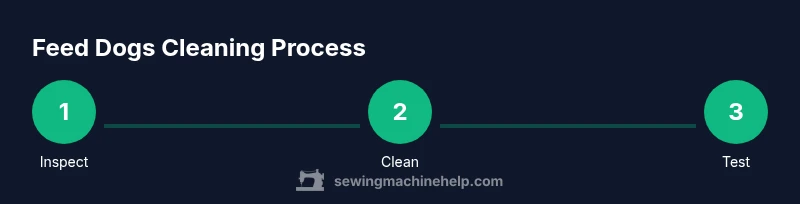
This section reinforces how to plan ongoing care: keep a small cleaning kit, schedule a monthly quick check, and set a six-month deeper clean as a reminder for busy periods. Document any issues you observe—like sudden changes in feeding or stitch irregularities—and compare them with previous sessions. A simple habit loop—inspect, clean, test, log—helps you detect gradual wear before it becomes a breakdown. Remember that patient, deliberate cleaning yields better results than rushing through a bulky disassembly. For more model-specific guidance, consult your manual and the full how-to guide on our site.
Tools & Materials
- Soft-bristle brush(Small brush or vacuum nozzle attachment to lift lint around feed dogs)
- Lint-free cloth(For wiping lint from teeth and plate surfaces)
- Tweezers(Fine-tipped to remove stubborn threads between teeth)
- Cotton swabs(For tight spaces; avoid leaving fibers behind)
- Micro screwdriver set(Only if your model requires removing the needle plate screws)
- Isopropyl alcohol 70%(Dampen cloth lightly; do not soak parts)
- Sewing machine oil(Only use where the manual specifies lubrication points)
- Scrap fabric(Test stitch on similar material to your projects)
Steps
Estimated time: 30-45 minutes
- 1
Power off and unplug
Unplug the machine and remove the needle to prevent accidental starts while you access the cleaning area. Set the machine away from edges and clear the workspace.
Tip: Keep the presser foot up to expose the feed dog area. - 2
Open the bobbin area
Remove the bobbin case and, if applicable, the needle plate. Expose the shuttle area and inspect for obvious lint around the feed dogs.
Tip: Refer to your model’s manual if you’re unsure how to remove the bobbin cover. - 3
Inspect for lint buildup
Take a moment to visually inspect the teeth around the feed dogs for lint, fuzz, or thread fragments. Note how easily lint can be brushed away before touching gears.
Tip: Work in small sections to avoid missing debris. - 4
Clean with brush and swabs
Gently brush around the teeth to lift lint, then use cotton swabs to pull debris from between the teeth. Avoid forcing tools into tight gaps.
Tip: Use short, controlled motions instead of heavy scrubbing. - 5
Tackle stubborn lint
For lint stuck between teeth, use tweezers with care to lift fibers without bending the teeth.
Tip: Take breaks to prevent fatigue and mistakes. - 6
Decide if deeper cleaning is needed
If lint persists after non-destructive cleaning, plan for deeper cleaning by removing the needle plate if your model permits.
Tip: Do not force screws; back them out slowly. - 7
Lubricate as required
If your manual calls for lubrication near the feed dog area, apply a tiny amount and wipe away excess.
Tip: Only lubricate where specified; over-lubrication attracts more lint. - 8
Test with scrap fabric
Reassemble if you removed parts, then sew a quick test on scrap fabric to verify feeding quality.
Tip: Use a fabric similar to your project for meaningful feedback.
Your Questions Answered
What are feed dogs and what do they do?
Feed dogs are the jagged teeth beneath the presser foot that grip fabric and pull it through the needle area to form stitches.
Feed dogs are the teeth under the presser foot that pull fabric through as you sew.
How can I tell if the feed dogs are dirty?
Signs include skipped stitches, uneven feeding, or fabric snagging. Inspect the area around the needle plate for lint.
Look for lint on the teeth and changes in stitch quality.
Can I clean feed dogs without removing the needle plate?
Light cleaning around the feed dogs is possible, but deeper cleaning usually requires removing the needle plate and bobbin area.
You can do light cleaning around it, but deep cleaning needs the plate off.
How often should I clean feed dogs?
Clean when you notice feeding issues or after heavy stitching. Regular light maintenance helps prevent problems.
Clean when you notice issues or after long projects.
What’s the difference between cleaning and lubricating feed dogs?
Cleaning removes lint and residue; lubrication is only where the manual specifies and should be minimal.
Cleaning takes lint away; lubrication is for moving parts as advised by the manual.
When should I replace feed dogs?
Feed dogs wear with time; if teeth are worn or damaged, a professional replacement may be necessary.
If teeth are worn or damaged, replacement may be required.
Watch Video
The Essentials
- Clean feed dogs regularly to maintain stitch quality
- Use the right tools to avoid damaging the mechanism
- Test stitch on scrap fabric after cleaning
- Lubricate only as the manual prescribes
- Seek professional help if teeth are damaged or worn