Juki DDL-8700: Repair, Setup, and Practical Use for Home Sewing
Learn how to repair, setup, and safely operate the Juki DDL-8700 with practical, beginner-friendly steps. This Sewing Machine Help guide covers maintenance, troubleshooting, and tips for long-lasting performance.


The Juki DDL-8700 is a high-quality straight-stitch machine valued by home sewers for dependable performance. This guide outlines setup, safety, basic repairs, and routine maintenance to keep the DDL-8700 running smoothly. You’ll learn how to thread, adjust tension, and troubleshoot common issues to achieve consistent, professional results at home.
About the Juki DDL-8700 and its role for home sewers
The Juki DDL-8700 is a compact, high‑quality straight‑stitch machine that many home sewists and small studios rely on when they need reliable, even stitches on a wide range of fabrics. While it’s often marketed as an industrial model, its size, durability, and straightforward mechanics appeal to serious hobbyists who value speed and consistency. In this guide, we explain how to set up, maintain, and troubleshoot the DDL‑8700 so you can achieve professional results in a home workspace. The Sewing Machine Help team notes that understanding the machine’s baseline behavior helps you diagnose issues quickly and keep it running smoothly.
For newcomers, think of the DDL-8700 as a robust partner that excels when you approach it with a calm, methodical workflow. Throughout this article you’ll see practical steps, safety reminders, and maintenance routines designed for beginners and intermediate users alike. The goal is to help you grow confident with the machine while avoiding common missteps that can affect stitch quality or cause jams.
Core features that affect performance
The Juki DDL-8700 is known for its straightforward utility: a precise straight stitch, a sturdy frame, and a reliable drive system. Because it focuses on one primary function—straight stitching—your results are highly repeatable across fabrics from light cotton to heavy denim when you adjust the presser foot and thread path correctly. Key factors that influence performance include thread tension, needle choice, bobbin compatibility, and the stability of the sewing surface. For home use, a machine with a solid balance between speed and control makes it easier to complete projects without frequent restarts or jams. In short, the DDL-8700 rewards consistency and a calm setup routine.
Getting started: Setup basics and safety
Before you power up, clear a clean, well-lit workspace and secure the machine to a sturdy table with the appropriate mounting or anti-slip feet. Install a fresh needle suited to your fabric (avoid old, bent needles) and thread the machine, following the path from spool to needle with a smooth, uninterrupted motion. Winding and inserting the bobbin properly is essential for even stitch formation. Always unplug the machine before changing needles or threading, and verify the handwheel turns smoothly by hand first. A brief test on scrap fabric helps you verify stitch length and tension settings before you begin your real project.
Common problems and quick fixes
Birdnest on the bottom side, looping, or skipped stitches are common issues that can often be traced to needle, bobbin, or threading troubles. Start by rethreading the machine completely, ensuring the tension discs are clean and properly aligned. Check that the needle is the correct type and properly seated, and confirm the bobbin is wound evenly and threaded correctly. Fabric feeding problems can stem from an incorrect presser foot pressure or a misaligned needle. If material feeds unevenly, test with scrap fabric and adjust the presser foot accordingly. Document any recurring issue to help with troubleshooting later.
Tension, thread paths, and needle alignment
Tension is the most common variable affecting stitch quality. Start with a moderate upper tension and a compatible bobbin tension setting, then adjust in small increments while testing on scrap fabric. Verify the thread path is clear of guides, and that there are no stray threads or lint causing friction. Aligning the needle precisely in the needle hole prevents lateral needle movement that can disrupt stitch formation. When you change fabrics or thread types, re-test on a sample to confirm you’ve achieved balanced stitch tension across the entire seam.
Maintenance schedule you can follow
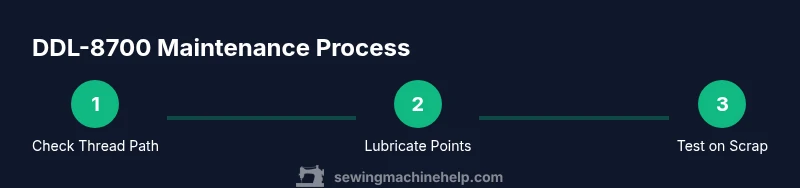
Regular, light maintenance helps preserve performance. After every few sewing sessions, wipe away lint from the bobbin area and presser foot, and check that the feed dogs move freely. Apply a small amount of machine oil to designated points as per your manual—never over-oil—and rotate the handwheel by hand to distribute oil. Every 20–40 hours of sewing, perform a deeper cleaning: remove the needle plate to inspect and clean under it, and check belt tension and pulley alignment if you notice vibration or noise. Keeping a simple log will help you track your maintenance rhythm.
Troubleshooting scenarios and step-by-step checks
When a problem arises, approach it with a logical checklist rather than random changes. Start by confirming the basics: is the needle installed correctly and compatible with your fabric? Is the bobbin wound and seated properly? Are you using the recommended needle size and thread? Next, test the machine on scrap fabric at a mid-range stitch length. If issues persist, inspect the bobbin case for burrs or damage and verify the thread path is free of snags. Finally, review your settings and reset to a known-good configuration before attempting a new seam.
Advanced adjustments you can attempt
If you’re comfortable with small mechanical tweaks, you can fine-tune tension and presser foot pressure for different fabrics. Adjust tension gradually and always test on a scrap piece. When sewing denser fabrics, consider using a larger needle and slower speed, keeping even pressure on the fabric without forcing the feed to push through. For professional outcomes, maintain a consistent sewing rhythm and avoid rushing, which can magnify small misalignments. If you encounter persistent problems, consult the user manual or a qualified technician before making invasive adjustments.
Choosing accessories and upgrades for the DDL-8700
Accessories can extend the versatility of the DDL-8700 without compromising its core benefits. Consider a sturdier table or cabinet with integrated storage for tools and spare needles, a set of compatible presser feet for various fabrics, and an auxiliary lighting option to improve visibility. A servo motor upgrade can improve control and reduce noise compared with standard motors, especially for beginners practicing precise seams. Always verify compatibility with your unit before purchasing any upgrade to ensure fit and warranty considerations are preserved.
Tools & Materials
- Screwdriver set (flat and Phillips)(Small precision set; used for needle plate and presser foot adjustments)
- Needle pack (sizes appropriate for fabrics you sew)(Common sizes: 12/80 to 16/100; replace regularly to avoid skipped stitches)
- Bobbin and bobbin case(Metal bobbins preferred for stability; ensure bobbin is clean and wound smoothly)
- Lint brush/soft cloth(Clean lint around bobbin area and feed dogs after every project)
- Sewing machine oil(Only use recommended oil; apply sparingly to designated points)
- Spool pins and thread (variety of weights)(Organize by weight; avoid tension changes caused by mixed spools)
- Tweezers(Helpful for removing lint from tight spaces)
- Small flashlight/brain light(Improves visibility when threading or inspecting the needle area)
Steps
Estimated time: 60-90 minutes
- 1
Prepare workspace and safety checks
Set up a clean, well-lit workspace and secure the machine on a stable table. Unplug the machine before any maintenance, then inspect for loose screws or worn parts. This initial check prevents accidents and ensures any adjustments you make are accurate.
Tip: Always unplug before touching moving parts to avoid accidental starts. - 2
Install or replace needle
Choose a needle compatible with your fabric type and insert it securely with the flat side facing the correct orientation. Tighten the needle clamp gently but firmly to prevent wobble during sewing.
Tip: Don't force a bent needle; replace immediately to avoid fabric damage. - 3
Thread the machine and load bobbin
Follow the recommended thread path from the spool through guides to the needle, ensuring none are twisted. Wound bobbins should rotate freely; place the bobbin in its case and thread clockwise per the manual.
Tip: Use scrap fabric to verify the thread path and tension after threading. - 4
Set up stitch and tension
Set a mid-range stitch length for testing, then adjust upper and bobbin tensions in small increments while testing on scrap fabric. Aim for balanced stitches with no looping on top or bottom.
Tip: Make changes in small steps and test with the same fabric you intend to sew. - 5
Test stitch and evaluate
Sew a practice seam on a scrap piece, inspecting both sides for even tension and straight seams. Correct any deviations by rechecking threading and needle compatibility.
Tip: If you see bird-nests underneath, rethread and check the bobbin tension. - 6
Finalize setup for project
Return to your chosen stitch length and thread tension, then prepare your project fabric. Maintain steady, even foot pressure and a consistent pace for optimal results.
Tip: Take notes on settings that work well for each fabric type you use.
Your Questions Answered
Is the Juki DDL-8700 suitable for home sewing projects?
Yes, many home sewists use the DDL-8700 for durable, straight-stitch projects, especially when consistent seam quality matters. It is best for users who value speed and robustness over decorative stitching.
Yes, it’s well-suited for home sewing where you want strong, straight seams.
What needle size should I use with the DDL-8700?
Use needles appropriate for your fabric type; common sizes range from 12 to 16, but avoid forcing large needles into small needle holes. Check fabric weight and thread compatibility when selecting needle size.
Choose a needle that matches your fabric, usually between 12 and 16 for general sewing.
Why is there birdnest underneath the fabric, and how do I fix it?
Birdnest usually means incorrect threading or tension. Rethread the machine from the spool, verify the bobbin is wound evenly, and test on scrap fabric. If the issue persists, adjust the upper tension gradually.
Birdnest happens when threading or tension is off; rethread and test with scraps.
How often should I oil the machine?
Oil is typically needed after regular sewing sessions or per the manufacturer’s guidelines. Wipe away excess oil and avoid over-lubrication, which can attract lint and cause buildup.
Oil when the manual suggests and after many hours of use, but avoid over-oiling.
Can I upgrade the motor on the DDL-8700?
Motor upgrades are possible but may affect warranty and compatibility. Consult a qualified technician or the manufacturer’s recommendations before making changes.
Motor upgrades can be done, but check compatibility and warranty first.
What maintenance steps are essential for longevity?
Regular cleaning, lint removal from the bobbin area, and periodic oiling of designated points help maintain performance. Keep the machine covered when not in use to reduce dust buildup.
Keep it clean, oil as directed, and cover it when not in use.
Watch Video
The Essentials
- Verify safety before any adjustment
- Test stitches on scraps to dial in tension
- Maintain regular lubrication and cleaning
- Use proper needles and bobbins for each fabric