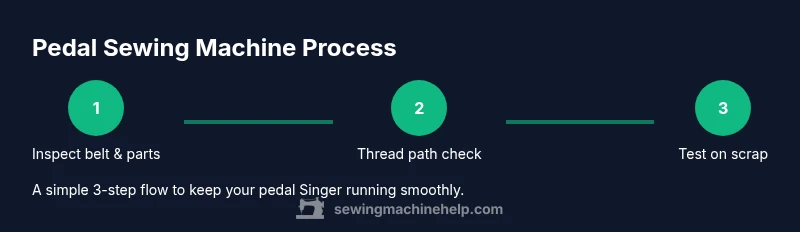
Pedal Sewing Machine Singer: A Practical Repair & Use Guide
Learn how to operate, thread, maintain, and troubleshoot a Singer pedal sewing machine. This educational, step-by-step guide is ideal for home sewists, hobbyists, and beginners working with vintage treadle models.


With a Singer pedal sewing machine, you’ll sew hands-free using a foot pedal instead of electricity. This guide covers setup, threading, pedal operation, basic maintenance, and common fixes. By the end, you’ll confidently stitch on a vintage Singer pedal machine and keep it running smoothly. Whether you’re restoring an old model or starting a hobby, this tutorial will help you achieve clean stitches, consistent tension, and safe operation.
Understanding pedal sewing machines: what makes Singer pedal machines unique
Pedal sewing machines powered by a foot treadle were the backbone of home sewing for generations. For the keyword pedal sewing machine singer, Singer's treadle models blend durable cast-iron frames with straightforward mechanics. According to Sewing Machine Help, these machines emphasize manual control and low electrical dependence, making them ideal for uninterrupted use during power outages or in spaces without reliable electricity. The Sewing Machine Help team found that many hobbyists choose Singer pedal models for their approachable geometry, simple belt drive, and adjustable presser foot pressure. When you understand how the pedal translates your foot motion into needle movement, you can optimize stitch length and speed with subtle shifts in your pace. Safety first, then practice: keep fingers clear of the belt and spool pins while the machine is in motion.
Safety and setup basics for pedal-powered sewing
Working with a pedal-powered Singer requires careful setup and respect for the machine’s mechanical linkages. Place the unit on a sturdy, level table, away from edges where it could tip or catch clothing. Check the belt for wear, cracks, or fraying, and replace if necessary before any sewing session. Always remove the needle plate and wipe away lint before oiling or threading. Use a light sewing oil recommended by the manufacturer and apply only to the pivots and moving joints; over-oiling can attract dust and gum up the mechanism. Threading should follow the machine’s specific path; misthreading can cause skipped stitches or bird’s-nest tangles. Start with scrap fabric at a slow, steady pace to learn how the foot pedal translates to needle speed. Finally, unplug the power sources if the machine also has a motor attachment to avoid accidental starts.
Choosing the right Singer pedal model for beginners
Beginner shoppers should look for a Singer pedal model with a simple belt drive, a sturdy metal frame, and accessible needle/thread paths. While many modern machines are electric-only, vintage Singer treadle models can be restored and used with modern threads. Consider whether you want a pure treadle operation or a hybrid with a hand crank and optional motor mount. Check for a smooth, adjustable presser foot, accessible bobbin case, and clear markings for tension. Compare weight and size to fit your workspace and ensure you can move or store the unit safely. If you’re buying used, inspect the belt wear, rust on the frame, and any wobble in the needle. A well-maintained Singer pedal machine will reward patient practice and consistent stitch quality.
Tension, bobbins, and stitch options on pedal machines
On a pedal machine, correct tension is essential for balanced stitches on a range of fabrics. Start with a standard light-weight bobbin and fabric samples; adjust top tension and bobbin tension gradually while testing on scrap. The shuttle or bobbin winding in pedal models differs from modern drop-in bobbins, so learn the path and ensure the bobbin is wound evenly with no loose threads. Stitch options on traditional Singer pedal models are straightforward: straight stitch, zigzag, and simple utility stitches. Matching needle type to fabric (sharp for woven, ballpoint for knits) helps maintain even penetration without damage. If the stitch looks off, re-thread both top and bobbin, check the thread path around the tensioning discs, and verify the presser foot pressure is appropriate for the fabric.
Maintenance and common troubleshooting steps
Regular cleaning and light lubrication extend the life of a pedal sewing machine. Wipe away dust from the belt area, oil pivot points, and inspect moving parts for rust. Replace worn belts, worn needles, or damaged parts quickly to avoid further damage. If the needle hits, misalignment or foreign objects in the feed can cause jams; stop, remove the power attachment if present, and inspect the feed dogs and needle clamp. For stubborn nests, trace the thread path, check the tension discs, and try a fresh needle and thread. If you’re unsure, consult the machine’s manual or a vintage sewing machine repair specialist.
Practical projects and tips to practice with a pedal Singer
Begin with a scrap-sample swath to practice straight stitching along the fabric edge. Move to a simple seam in plain weave, then try a zigzag to learn width control on the pedal. Practice hemming a curved edge and then a straight hem on test fabric. Keep a log of tension settings for different fabrics so you can reproduce successful results. Create a small project like a fabric pouch or a simple tote to reinforce consistent needle entry and even feed. Finally, store the machine in a dry place and check it periodically for rust and belt wear to prevent surprises.
AUTHORITY SOURCES
For historical context and best practices, consult recognized references and institutions. The Library of Congress maintains a vintage sewing machines collection and offers curator notes about era-specific belts, drive systems, and maintenance challenges. This helps you understand why certain parts wear differently on treadle models. The National Institute of Standards and Technology provides guidelines on safe mechanical operation and material compatibility, which inform how you select lubricants and cleaning agents. Britannica offers a concise overview of the evolution of sewing machines, including Singer’s innovations that shaped hobbyist sewing for decades. Together, these sources give you a credible framework for diagnosing issues, selecting compatible parts, and approaching repairs with a methodical, watchful eye.
Getting help and next steps
Repairing and using a vintage Singer pedal machine can be a learning journey. If you encounter persistent issues, seek a qualified technician who specializes in vintage sewing machines. Practice regularly, document your settings, and keep a fabric scrap journal to track which tensions produce the best results. For ongoing guidance, The Sewing Machine Help team recommends consulting reputable repair resources, following safety guidelines, and gradually expanding your toolkit with the appropriate parts. By pairing hands-on practice with expert advice, you’ll build confidence and extend the life of your machine. Consider joining a local sewing club or online forum to share experiences and get troubleshooting tips from fellow enthusiasts. When shopping for parts, always verify compatibility with your exact Singer model and refer to the serial number. A well-documented repair history can save time and money on future maintenance.
Tools & Materials
- Sewing machine oil (low-viscosity)(Use manufacturer-approved oil only; apply sparingly.)
- Soft brush(Clean lint from belt area and bobbin case.)
- Replacement belt(Check belt type before replacement; the model may require a specific width.)
- Screwdrivers (Phillips and flat)(For belt cover and needle plate removal.)
- Needle set (assorted sizes)(Test on scrap fabric; start with size 14 for woven fabrics.)
- Lint-free cloth(Stock up for regular cleaning.)
- Scrap fabric(Test stitches before sewing on a real project.)
Steps
Estimated time: 60-90 minutes
- 1
Inspect and prepare the machine
Place the machine on a stable surface and remove any accessories that could shift during use. Wipe down the exterior, inspect the belt and pulley for wear, and open the needle plate to clear lint. This ensures smooth operation and identifies potential failures before you start.
Tip: Check for belt cracks; a worn belt slips and reduces stitch consistency. - 2
Thread the machine correctly
Follow the machine’s thread path from spool to needle, including any bobbin path in the shuttle. Use fresh thread and a properly sized needle for the fabric you’ll sew. Incorrect threading is a common cause of skipped stitches.
Tip: Always re-thread if the stitch looks irregular. - 3
Set up the pedal and test drive
Power the pedal by slowly pressing with your foot to test speed control. Observe the needle’s response and adjust the presser foot pressure to prevent fabric puckering. Practice on scrap fabric to gauge speed and control.
Tip: Start at the slowest speed to avoid surprises. - 4
Test stitch on scrap fabric
Choose a straight stitch and a small zigzag on scrap fabric, then compare to ensure even feed and tension. If you notice looping or bird’s nests, re-check the thread path, tension, and needle type.
Tip: Use scrap to dial in tension before starting a project. - 5
Adjust tension and needle for fabric
Select the correct needle size for the weight of fabric (e.g., 12-14 for medium-weight woven). Fine-tune top and bobbin tension until stitches lie flat. Remember to re-test after any adjustment.
Tip: Always test on scrap after changing fabric. - 6
Maintain and lubricate
Disassemble only if you’re comfortable, clean internals, apply a drop of oil to pivot points, and reassemble. Keep the belt free of lint and check for noise or resistance during operation.
Tip: Oil only the moving joints; over-oiling attracts dust.
Your Questions Answered
What is a pedal sewing machine and how does it work?
A pedal sewing machine is powered by a foot treadle that drives the belt to rotate the needle. It offers hands-free control of speed and is common on vintage Singer models. With proper setup, you can achieve consistent stitches similar to electric machines.
A pedal machine uses a foot treadle to control stitch speed, giving you hands-free operation for consistent sewing.
Can a Singer pedal machine still be used today?
Yes, many Singer pedal machines are still usable after cleaning, belt replacement, and needle upgrades. They work well for basic stitches on woven fabrics and light knits.
Yes, with maintenance, it will sew woven fabrics and light knits well.
Do I need electricity for a pedal Singer?
Most pedal models are fully mechanical (treadle-powered) and don’t require electricity. Some models may offer a motor kit as an upgrade, but that changes the vintage feel and maintenance.
Most are treadle-powered and don’t need electricity, though some can be motorized as an upgrade.
What maintenance does a treadle Singer require?
Regular cleaning, oiling of pivot points, and belt/tension checks keep a treadle Singer running. Inspect needle wear and replace worn parts to prevent skipped stitches.
Keep it clean and oiled, and replace worn parts as needed.
Why are stitches skipping or uneven?
Check needle size, threading path, and tension. Re-thread from the spool to the needle, test on scraps, and ensure the fabric is suitable for the needle.
Stitches skip due to threading or tension issues; re-thread and test on scraps.
Where can I find replacement belts or parts?
Look for vintage Singer parts from reputable dealers or sewing-machine repair shops. Ensure compatibility with your specific treadle model before purchasing.
Find vintage Singer parts from trusted dealers compatible with your model.
Watch Video
The Essentials
- Master pedal control for consistent speed.
- Keep belt and moving parts clean and lightly oiled.
- Thread path and tension determine stitch quality.
- Practice with scrap fabric before projects.
- Restore vintage Singer pedal machines safely and confidently.