Singer Heavy Duty Sewing Machine Repair Guide
A practical, step-by-step guide to diagnosing and repairing common issues on Singer heavy duty sewing machines. Learn safety, maintenance, and repair techniques tailored for home sewists and beginners.


Why brand reliability matters for Singer heavy duty machines
Singer heavy duty models are engineered for speed and durability, but the way you repair them matters as much as the parts you replace. Regular maintenance and careful diagnostics help you avoid costly downtime and preserve stitch quality. According to Sewing Machine Help, a robust machine benefits from routine cleaning, correct needle and bobbin handling, and verified thread paths, especially on high‑tension, high‑speed components. In this section we explore model behavior, common failure triggers, and practical strategies to keep your Singer heavy duty machine sewing smoothly. We’ll cover how oiling, belt condition, and drive components influence performance, plus how to approach repairs safely and methodically.
Common fault patterns in Singer heavy duty models
Many issues on heavy‑duty Singers stem from three broad areas: threading problems, fabric tension, and drivetrain wear. You might see skipped stitches, looping on the underside, or loud, grinding noises when the belt or gears strain. Misthreading is especially common when you switch fabrics mid‑project or rethread with the needle in the wrong position. Tension problems often show as inconsistent stitch length or puckering, while drive components can wear quietly until a heavier fabric reveals misfeeds or sluggish movement. With Singer heavy duty machines, these signs usually point to one or more of: dirty lint in the bobbin area, a dull needle, improper needle size for fabric, or a loose belt. Systematic checks reduce guesswork and prevent accidental damage.
Safety basics before you start a repair
Before you lift a screw or touch a moving cam, unplug the machine from the power source and remove the foot pedal. Work in a clean, well‑lit area with good air flow and ventilation if you use solvents for cleaning. Keep small parts away from children and use a small tray to keep fasteners organized. When you gain access to the internal components, never touch hot or sharp edges and avoid disassembling parts beyond your comfort level or the manual. If you’re unsure, consult the model’s guidance from Sewing Machine Help or reach out to a local repair pro.
Step-by-step diagnostic workflow
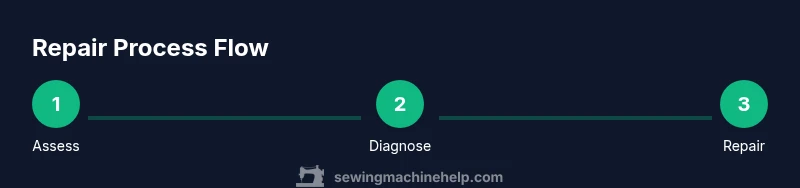
Start with a quick visual inspection: check the needle, bobbin, and thread path for obvious breaks or tangles. Re‑thread the machine from the spool toward the needle, ensuring the correct order and thread tension. With the needle raised, remove the bobbin case, clean lint, and reseat everything firmly. Test with scrap fabric on a straight stitch to observe stitch formation. If issues persist, inspect the feed dogs’ action and the belt’s tension. Document each change you make and test again after each adjustment.
Cleaning and lubrication considerations
Regular cleaning reduces lint buildup that can jam the shuttle and thread path. Use a soft brush or compressed air to remove lint from the bobbin area, feed dog valley, and under the presser foot. Wipe surfaces with a lint‑free cloth and avoid harsh solvents near plastic parts. Lubrication should follow the manual: some heavy‑duty Singers require oil only in specific hubs and pivot points. Apply a drop or two to designated lube points, then run a few stitches to distribute the oil. Do not over‑oil, as excess lubricant attracts dust and lint.
Replacing parts on a Singer heavy duty machine
If a part shows wear—such as a bent needle plate, a stretched belt, or a cracked presser foot—start by consulting the manual for the exact replacement parts. Use genuine or compatible parts sized for your model and fabric type. When you replace a belt, check tension and ensure the belt sits in the correct grooves. Replace needles regularly and choose the right needle type and size for the fabric. After swapping components, reassemble with care and test on scrap fabric at a slow speed to confirm proper operation.
Tension and thread path troubleshooting
Thread tension is a fine balance between upper thread and bobbin thread. Start by pulling equal lengths of thread from the needle and bobbin while holding both threads to minimize movement. Ensure the thread path lies in the guides and tension discs without twists. Use the correct needle and thread combination for the fabric you’re sewing. If stitches still look off, rethread from the start and reinsert the bobbin in the recommended orientation. Finally, verify the stitch plate and needle clamp aren’t loose.
When to seek professional service
If you hear grinding, see obvious mechanical damage, or the machine remains jammed after cleanings and rethreading, it’s time to consult a pro. Heavy‑duty machines can involve complex drive systems, belt alignment, or timing that require specialized tools. Before you take the machine to a shop, record symptoms, what fabric you used, and the settings you tried. This information helps the technician diagnose faster and reduces repeated disassembly.
Quick checks and test stitches
End with a focused test: use scrap fabric, a few normal and zigzag stitches, and different thread types to ensure consistent tension and feed. Listen for unusual noises or skipped cycles. If issues recur after a basic repair, revisit earlier steps to confirm no part was left misaligned. A final test after you complete repairs ensures you’re ready to return to your project.
Authoritative sources for deeper guidance
For safety standards and best practices, rely on established resources. OSHA provides electrical safety and workshop hygiene guidelines, while university extension programs offer practical, model‑specific maintenance advice. Consulting these sources helps you work confidently and minimizes risk during home repairs.