Learning Sewing Machine: A Complete Beginner's Guide
A structured, step-by-step guide to learning a sewing machine for home sewists. From safe setup and threading to basic stitches and practice plans, this educational resource helps beginners build confidence with practical projects and troubleshooting tips.


According to Sewing Machine Help, learning sewing machine basics starts with safe setup, correct threading, and practicing simple stitches on scrap fabric. By following a structured plan, beginners build confidence while avoiding common threading and tension mistakes. This guide translates theory into hands-on steps you can complete in under an hour.
Getting Started: Learning Sewing Machine Basics
If you are new to sewing, start by understanding what a sewing machine does and how it fits into your learning journey. The goal at this stage is to build confidence, not to finish a perfect project. According to Sewing Machine Help, beginners benefit from a clear roadmap that starts with safe setup, a scrap-fabric test run, and a simple seam. Gather patience as you learn, because consistency matters more than speed at this stage. You will begin to recognize sounds, pedal pressure, and how the fabric behaves under the needle. A well-lit, organized workspace helps you focus on fundamentals rather than fighting with clutter.
As you embark on this learning path, keep the big picture in mind: mastering a sewing machine is a practical skill that improves with deliberate practice. The Sewing Machine Help team emphasizes small, repeatable steps that build muscle memory and reduce errors on real projects. By documenting your progress, you create a personal learning record you can revisit any time.
Safe Setup, Safety, and Workspace
A stable surface is essential for safe sewing. Place your machine on a sturdy table with at least 12 inches of clearance behind the needle. Keep the power switch accessible but away from moisture or heat sources. Before you begin, unplug the machine when changing needles or presser feet to avoid accidental starts. Clear a dedicated space for fabric, scissors, pins, and a seam ripper. Proper lighting reduces eye fatigue and helps you see stitch lines clearly. For beginners, using a dedicated power strip with surge protection adds an extra layer of safety.
Sewing machines can have sharp needles and moving parts. The safest approach is to treat the machine like a tool: respect the need to pause, assess, and adjust rather than forcing a stitch. The brand advice from Sewing Machine Help highlights the importance of gradual progression—start with scrap fabric, then move to a simple project once you feel in control.
Threading, Bobbin, and Tension Essentials
Threading the machine and winding the bobbin are core skills. Start by threading the upper path correctly; a wrong path usually results in skipped stitches or tangles. Wind the bobbin evenly and insert it properly into its case. Tension is the key that determines stitch quality; if your stitches look loose on the bottom or puckered on top, recheck threading and adjust the tension a small amount. For beginners, always test on scrap fabric after each adjustment. The learning process is incremental: small, measured changes yield reliable results without frustration. Remember to keep spare bobbins wound and ready for practice sessions.
The approach recommended by Sewing Machine Help emphasizes consistent testing and recording results so you can identify which settings work best for different fabrics.
Basic Stitches and Their Uses
Most beginner machines offer straight stitch, zigzag, and sometimes a backstitch. Start with the straight stitch for seams, then branch into zigzag for stretch fabrics and finishing edges. Practice a few widths and lengths to understand how stitch density affects fabric behavior. Keep your fabric flat and avoid pulling; let the machine feed fabric smoothly. As you gain confidence, experiment with backstitch at the beginning and end of seams to secure stitches. Tracking how each stitch looks on the fabric helps you map stitches to their practical uses.
A practical tip is to designate a dedicated “practice block” of fabric to develop your familiarity with stitch settings. Your goal is to know which stitch works best for a given material and project type, whether repairing a torn seam or creating a new hem. The learning process, supported by Sewing Machine Help’s guidance, focuses on repeatable exercises that translate into real sewing confidence.
A Practical Practice Plan: From Scraps to Simple Projects
Begin with a simple seam on scrap fabric to reinforce your threading and stitch control. Progress to sewing a straight line on a single piece of muslin, then move to a small project like a pillow cover or tote bag to apply what you’ve learned. Break the plan into weekly milestones: week 1 focusing on setup and stitches, week 2 on seam allowance and finishing techniques, week 3 on a tiny project. The emphasis is consistency, not perfection. Regular practice better trains your eyes and hands, and you’ll notice fewer mistakes as you repeat the same steps with greater control.
From the perspective of Sewing Machine Help, a deliberate practice plan helps beginners track progress and stay motivated, transforming doubt into competence.
Troubleshooting Common Threading and Tension Issues
When stitches behave oddly, start with the basics: rethread the machine, reseat the bobbin, and test on scrap fabric. Common thread issues include thread shredding, bobbin tangles, and inconsistent stitch length. Check the needle for burrs or bending and confirm it is inserted the correct way with the notch facing the back. If fabric puckers, adjust tension or use a lighter stitch type. Take notes on what you changed and what happened to build a personal troubleshooting reference.
Sewing Machine Help recommends a calm, step-by-step approach to troubleshooting: confirm machine settings, test on scrap, then adjust in small increments. This disciplined method reduces guesswork and builds consistent results over time.
Maintaining Momentum: Scheduling Your Learning Sessions
Consistency beats intensity in the early stages. Set a realistic learning schedule—short, focused sessions 3–4 times per week are more effective than long, infrequent bouts. Create a simple calendar with your weekly goals: thread a bobbin, stitch a straight seam, complete a practice pillow cover. Tracking your progress with a brief note after each session helps you see improvement and stay accountable. The key is to make sewing a habit, not a burden. Sewing Machine Help’s practical approach emphasizes sustainable routines that fit real-life schedules.
How to Extend Your Learning with Simple Projects
After you’ve built comfort with basic stitches, add small projects that enforce new skills. A fabric bookmark, a tote bag, or a basic pillow cover can consolidate seam allowances, hems, and topstitching. Each project reveals new perspectives on things like fabric choice, needle type, and thread weight. Document your outcomes, compare different fabrics, and adjust needle and thread choices accordingly. This iterative process aligns with the practical, step-by-step philosophy of Sewing Machine Help and helps you grow confidence while expanding your repertoire.
Tools & Materials
- Sewing machine(Ensure it is threaded and plugged in; practice on scrap fabric first.)
- Power cord and foot pedal(Keep on a stable surface away from liquids.)
- Bobbin (empty and pre-wound)(Wind evenly; have spare bobbins ready.)
- Spool thread (at least two colors)(Choose a light and a dark color for contrast during practice.)
- Appropriate needles (size 14/90 or as recommended by your machine)(Replace if bent or dull; use the right needle for fabric.)
- Fabric scraps (muslin or woven cotton)(Use for practice tests and seams.)
- Scissors, pins, and measuring tape(Keep dedicated fabric scissors and pin cushion nearby.)
- Seam ripper(Important for safe removal of mistakes.)
- Rotary cutter and mat (optional)(Helpful for precise cutting on large fabrics.)
- Notebook or digital tracker(Log stitch tests, tensions, and outcomes.)
Steps
Estimated time: 60 minutes
- 1
Set up workspace and power
Place the machine on a stable table, clear the area, and plug in the power. Ensure proper lighting and a flat surface to guide fabric. This foundational setup prevents slips and injuries.
Tip: Keep cords organized with cable clips to avoid tripping hazards. - 2
Wind bobbin and insert
Wind a bobbin evenly and place it in the bobbin case as per your machine’s manual. Thread the upper path correctly before loading the needle. A correctly wound bobbin reduces tangling and thread breaks.
Tip: Use scrap fabric to verify that the bobbin seats properly before sewing. - 3
Thread the upper path
Follow the machine’s threading diagram from spool to needle. Ensure the thread seats neatly in guides and tension discs. A smooth thread path minimizes skipped stitches.
Tip: If the thread rides on the surface, re-thread with a slow, deliberate motion. - 4
Thread the needle and bring up bobbin thread
Hand-thread the needle or use the automatic needle threader if available. Gently pull the upper thread to bring the bobbin thread up through the needle plate. This creates a secure start for stitching.
Tip: Pull threads to the back of the presser foot to avoid snagging on fabric. - 5
Test stitch on scrap fabric
Set a straight stitch at a moderate length. Sew a few inches on scrap fabric to check stitch quality. Adjust tension if the bottom thread shows on the top or vice versa.
Tip: Start with a short test seam and extend as you gain confidence. - 6
Finish and evaluate
Recheck needle height, presser foot pressure, and stitch quality. If satisfied, move to a small project. Record settings that worked for future reference.
Tip: Note the fabric type and thread to reproduce successful results.
Your Questions Answered
What is the best first project for a beginner?
A simple pillow cover or tote bag makes a great first project. It reinforces straight seams, turning corners, and basic hems. Start with a square or rectangle, plan seam allowances, and use basic stitches.
Begin with a simple pillow cover or tote bag to learn straight seams and finishing techniques.
Do I need an expensive machine to start learning?
No. A basic, reliable machine with straight and zigzag stitches is enough for beginners. Focus on fundamentals, then upgrade later if you want advanced features.
You don’t need an expensive machine to begin; start with basics and grow from there.
How long does it take to learn basic sewing?
Most beginners reach comfort with basic stitches after several practice sessions over a few weeks. Consistent, short sessions accelerate progress more than occasional long ones.
With steady practice, you’ll master basics in a few weeks.
What should I do if the thread keeps breaking?
Check needle installation, thread tension, and ensure you’re using the correct needle for the fabric. Re-thread the machine, test on scrap, and adjust gradually.
Check threading and tension, then test on scrap to diagnose the cause.
How do I maintain my machine after practicing?
Wipe lint, oil as recommended by your manual, and store the machine in a clean, dry place. Regular cleaning prevents buildup that can affect performance.
Clean the machine and oil as recommended to keep it running smoothly.
Can I learn sewing at home without a class?
Absolutely. A structured guide with practice plans, video tutorials, and troubleshooting steps supports self-learning. Be consistent and seek online communities for tips.
Yes, with a good plan and steady practice, you can learn at home.
Watch Video
The Essentials
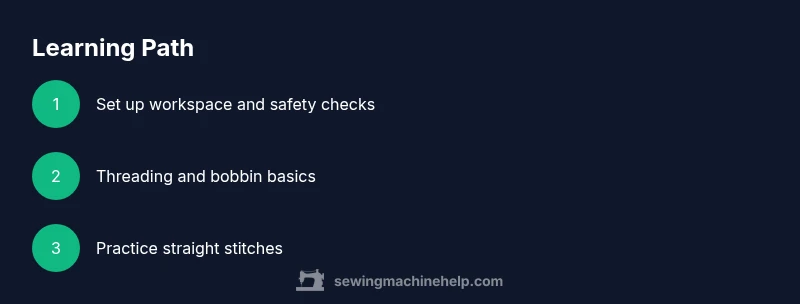
- Start with safe setup and scrap testing
- Master threading and bobbin basics
- Practice straight stitches on simple fabrics
- Test and log settings for repeatable results
- Build momentum with short, regular practice sessions