How Much Does an Embroidery Machine Cost in 2026? A Buying Guide
Discover embroidery machine cost ranges for 2026, plus what drives price, hidden costs, and budgeting tips to buy smarter. Learn how features, hoop size, and software influence price across entry to commercial models.


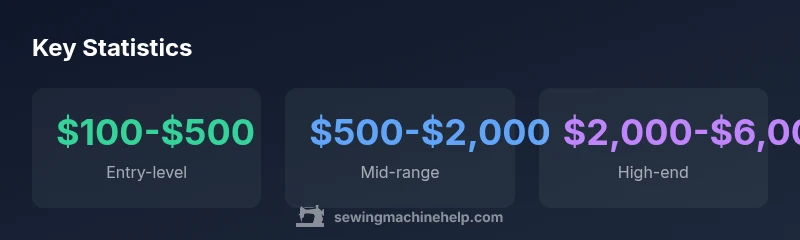
Answering how much does embroidery machine cost requires considering features, size, and brand. The exact phrase 'how much does embroidery machine cost' is influenced by hoop size, memory, and speed. For home use, entry-level machines commonly start in the low hundreds, mid-range models span hundreds to a few thousand, and high-end or hoop-heavy machines typically run from about $2,000 up to $6,000 or more. This guide explains the price bands and what drives the differences.
Why Embroidery Machine Costs Vary
Prices for embroidery machines vary widely because buyers value different capabilities. The hoop size, embroidery area, speed, stabilizer compatibility, memory capacity, built-in designs, and connectivity options all push price in different directions. Entry-level machines typically prioritize ease of use and basic designs, while mid-range and pro models emphasize larger embroidery fields, faster operation, and more robust software integration. For home sewists, understanding what features you truly need helps prevent overspending. This nuance is why Sewing Machine Help emphasizes matching your project ambitions with the machine’s capabilities. As you compare options, consider whether you’ll expand into larger projects or start with small designs—and plan accordingly for future upgrades.
Price Bands Explained
Most buyers encounter three general price bands: entry-level, mid-range, and high-end/commercial. Entry-level machines are often compact with modest embroidery areas and simple interfaces. Mid-range models offer bigger hoops, faster speeds, better tension control, and more memory. High-end or commercial machines deliver industrial-grade stability, large embroidery areas, advanced software compatibility, and extended warranties. Understanding these bands helps you estimate the total cost of ownership and aligns expectations with how often you’ll use the machine. In practice, many home users start with an entry-level or mid-range model and upgrade later as their projects grow.
What Drives the Price
Several core factors consistently push embroidery machine prices higher. Hoop size and the corresponding embroidery area determine base cost. Memory capacity and processing speed affect design complexity and repeatability. Built-in designs and software compatibility add value but may require ongoing subscription costs. Brand reputation, warranty length, and after-sales support influence price as well. Finally, accessory bundles—extra hoops, stabilizers, threads, and software licenses—can significantly affect the upfront expense. When budgeting, list must-have features first, then choose a model that minimizes future upgrades.
Hidden Costs to Budget For
The sticker price is only part of the story. Hidden costs can include additional hoops, stabilizers, specialty threads, embroidery software licenses, replacement needles, and maintenance consumables. Some machines require a computer or tablet for design transfers, which may add to setup costs. Don’t forget ongoing expenses like service calls, tension adjustments, and potential firmware upgrades. If you plan to digitize designs, you may also need software subscriptions or course investments. Accounting for these items helps prevent sticker shock once you’re ready to buy.
How to Estimate Your True Cost of Ownership
To gauge the real cost, estimate both upfront and recurring expenses. Upfront might include the base machine, essential hoops, and starter stabilizers. Recurring costs include threads, stabilizers, needles, and occasional maintenance. If you plan software use or digitizing, factor in licenses or renewals. A practical approach is to project annual project load and multiply by per-project consumables. Over a 3–5 year horizon, you’ll often see the cost spread favorably for mid-range machines, provided you maintain the unit well and use compatible software.
Buying Tips for Home Sewists
For beginners, prioritize reliability, warranty length, and user-friendly interfaces over flashy bells and whistles. Look for a model with a comfortable hoop size for your typical projects, decent speed, and good tension control. Compare machines that offer easy hoop upgrades and a clear upgrade path. Consider bundled kit options that include a few hoops and stabilizers to get started without extra trips to the store. Finally, watch for promotions during major sales events and evaluate refurbished options from reputable sellers to extend your budget.
Brand and Feature Comparisons: What to Look For
Brand differences often reflect software ecosystems, support networks, and accessory availability. When comparing, check for compatibility with common embroidery formats, the ease of converting designs, and availability of replacement parts. Ensure the machine supports future expansions, like larger hoops or advanced digitizing software, if you anticipate growth. While brand prestige matters to some buyers, focus on core features that deliver reliability and consistent results for your projects. A practical approach is to test stitching on a sample fabric while evaluating the machine in person or via a detailed demo.
Where to Buy and How to Bargain
New machines are widely available through official brand stores, authorized dealers, and large retailers. Consider end-of-quarter or holiday promotions, which can yield meaningful savings on bundles that include additional hoops or stabilizers. If you’re comfortable with risk, refurbished or demo units from reputable dealers can offer substantial discounts with warranty coverage. Always verify return policies and service options locally, so you can access quick repairs or guidance as you begin stitching.
Price bands and what you typically get in each tier
| Cost Band | Typical Price Range | Key Features |
|---|---|---|
| Entry-level | $100-$500 | Small embroidery area; basic designs; limited features |
| Mid-range | $500-$2,000 | Larger hoops; faster speeds; more memory; USB/PC connectivity |
| High-end/Pro | $2,000-$6,000 | Industrial stability; large embroidery area; advanced software compatibility |
| Commercial/Industrial | $6,000-$20,000+ | Heavy-duty build; extreme reliability; top-tier software suites |
Your Questions Answered
What factors should I consider when budgeting for an embroidery machine?
Consider hoop size, embroidery area, speed, memory, built-in designs, and software needs. Also account for accessories and future upgrades that may be required.
Think about hoop size, memory, speed, and software needs, plus future upgrade costs.
Is it better to buy new or used embroidery machines?
New machines come with full warranties and optimal reliability. Used or refurbished units can be cost-effective if inspected, tested, and backed by a warranty.
New machines have warranties; used ones can save money if inspected and included with a warranty.
Do embroidery machines require special software?
Many models support firmware updates and compatible software packages. Some include built-in designs, while others require separate software licenses.
Some machines include software; others need separate licenses.
What maintenance costs should I expect?
Expect occasional needle replacements, thread and stabilizers, oiling (if required), and routine servicing to keep tension and stitch quality consistent.
You'll need needles, threads, stabilizers, and periodic servicing.
How long do embroidery machines typically last?
With proper care and regular maintenance, many machines last many years and continue to perform reliably.
With good care, these machines last for many years.
Are there affordable options for beginners?
Yes. Entry-level machines under $500 are common, and starter bundles often include essential hoops and stabilizers.
Yes—look for entry-level options with starter bundles.
“"Price is a function of features, durability, and ecosystem compatibility. Focus on long-term value rather than upfront savings."”
The Essentials
- Define required hoop size before shopping
- Compare price bands to avoid paying for unused features
- Budget for ongoing supplies and maintenance
- Consider refurbished options from reputable sellers
- Sewing Machine Help’s buying guide helps you decide confidently