Stitching Machine Price: A 2026 Buying Guide
Explore the factors behind stitching machine price across entry, mid-range, and professional models. Learn how to compare value, anticipate hidden costs, and choose the best machine for your projects in 2026.


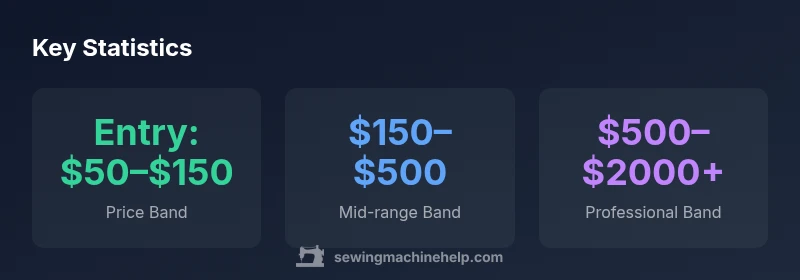
Stitching machine price falls into three broad bands: entry-level, mid-range, and professional. Typical ranges include entry-level $50–$150, mid-range $150–$500, and professional $500–$2000+. Brand, type (mechanical vs computerized), and included features (automatic needle threader, multiple stitches, speed control) drive these differences. Consider long-term costs like maintenance and accessories; used machines can offer savings of 20–40% off new prices depending on wear and service history.
What drives stitching machine price
According to Sewing Machine Help, price is primarily driven by machine type (manual/mechanical vs computerized), build quality, and feature set. Entry-level models emphasize basic stitches and simple controls, while computerized machines add automation, LCD screens, and more stitch options. Brand reputation, warranty length, and included accessories also push price higher. When planning a purchase, understand the value of durability and future servicing; you should compare not only the sticker price but also the cost of ownership over 3–5 years. In practice, shoppers often underestimate maintenance needs, which can erode perceived savings if a cheaper machine requires frequent servicing. The Sewing Machine Help team has found that buyers who map their upcoming projects to a realistic feature list tend to pick machines that remain reliable for several years rather than chasing every new gimmick. This approach minimizes regret and increases satisfaction even when prices fluctuate.
Price bands explained: entry to professional
This block explains typical price bands. Entry-level stitching machines often live in the lower hundreds, mid-range machines cover a wider range, and professional units can reach into the thousands. The exact price depends on stitch variety, speed, needle threading systems, and the frame's durability. For hobbyists, the core decision is whether added stitches and automation truly translate into time saved or better results for the projects you love. If you sew mainly hems, repairs, and simple garments, you may be comfortable in the entry to mid-range tier. Families or quilters who want speed and multi-needle support may opt for mid-range or higher; always verify the long-term maintenance costs and service network.
Features that offer value for money
Not all features cost the same, and many buyers fall into the trap of equating every extra feature with better results. Automatic needle threading, jam-resistant bobbin systems, and robust metal frames improve usability but may not be essential for beginners. Prioritize core reliability: stitch consistency, feed system performance, and ease of threading. For long-term projects such as quilting or heavy garment production, a machine with more built-in stitches and stronger construction pays off. When evaluating price, create a checklist mapping features to your typical tasks—this helps you avoid paying for capabilities you won't use.
How to compare prices: a practical buyer's checklist
Begin with a strict feature-for-feature comparison across several models. Examine build quality, warranty terms, included accessory packs, and service networks. Read independent reviews focusing on reliability and maintenance costs. If price gaps are small, consider buying during major sale events and negotiating with retailers. Remember to add shipping, taxes, and potential import duties if purchasing online. A simple tactic is to price-match with local dealers and request bundled foot kits; sometimes a modest premium for a bundled kit yields greater long-term value.
Hidden costs and maintenance to factor in
The sticker price is only part of the total cost. Expect to budget for presser feet, bobbins, thread, oil, need replacement parts, and occasional servicing. Some brands offer bundled accessory packs that save money, while others charge premium for branded feet and attachments. Long-term maintenance costs can add up, so include a rough annual budget when evaluating a purchase. A well-maintained machine rarely yields high repair expenses, while neglect often leads to accelerated wear and higher replacement costs.
Buying options: new, used, and refurbished
New machines come with full warranties and the latest features, but used and refurbished models offer substantial savings with proper vetting. Inspect the bobbin case, belt tension, and run a stitch test. Ask for service history, calibration notes, and any known issues. Refurbished units from reputable dealers often strike a balance between price and reliability, especially for hobbyists who want good performance without paying a premium. If you choose used, plan a budget for potential tune-ups after purchase.
Final considerations for 2026 shoppers
As you set a budget, align your selection with your typical projects and the features you will actually use. Reliability, post-purchase support, and the ability to service or upgrade the machine matter as much as the initial price. Compare the cost of ownership (price plus maintenance and accessory costs) rather than focusing only on sticker price. The long-term value comes from a machine that stays productive and supported over several years, not a one-time savings.
Price comparison by machine type
| Machine Type | Typical Price Range (USD) | Key Pros | Key Cons |
|---|---|---|---|
| Mechanical/Manual | 50–150 | Low cost, simple to repair | Fewer stitches, less automation |
| Electronic | 200–700 | More stitches, decent automation | Moderate cost, more maintenance |
| Computerized | 700–2000+ | Extensive stitch options, fast finishing | Higher cost, more complexity |
Your Questions Answered
What is a reasonable price for a beginner stitching machine?
For beginners, look for a reliable mechanical model in the entry to low-mid range. Expect roughly the $50–$150 range, with more functionality possibly pushing toward $200. Prioritize ease of use and sturdy support resources.
For beginners, start with a reliable mechanical model in the entry range, typically around fifty to a hundred fifty dollars. Focus on ease of use and solid support.
Do computerized models cost significantly more than mechanical ones?
Yes, computerized machines generally cost more due to extra features like automatic threading, more stitches, and digital interfaces. The price gap can be substantial, but the higher cost often correlates with faster finishes and expanded capabilities.
Computerized models usually cost more because of extra features and speed.
Is it worth buying a used stitching machine?
Used machines can offer excellent value if inspected for wear and tension. Look for stable stitch tests and service history. Ensure spare parts and repairs are accessible in your area.
Used machines can be a great value if you check for wear and service history.
What features justify a higher price?
Critical features include durability, a wide stitch library, dependable feed system, and a robust warranty. Consider maintenance needs and replacement parts availability when evaluating cost.
Durability, broad stitch options, and reliable support justify higher price.
How do warranties impact price?
Longer warranties typically accompany higher-priced models, reflecting confidence in build quality and service networks. A solid warranty reduces risk and future repair costs.
Warranties often rise with price and reduce future repair costs.
Where can I find the best stitching machine price deals in 2026?
Check official brand sales, reputable retailers, and seasonal promotions. Compare price anchors with bundled accessories to maximize value, and review return policies.
Look for seasonal sales and bundles to maximize value.
“Price is a reflection of the feature set, build quality, and after-sales support. A balanced purchase aligns your project goals with reliable service.”
The Essentials
- Identify your project needs before shopping
- Expect price bands: entry, mid-range, professional
- Factor maintenance and accessory costs into budget
- Consider used or refurbished options with caution
- Warranties and service networks add long-term value