Tailor Machine Price Guide: How Much Do Tailor Machines Cost in 2026?
A comprehensive look at tailor machine price ranges across entry-level, mid-range, and industrial models, with buying tips, total ownership costs, warranties, and buying strategies for home sewists in 2026.


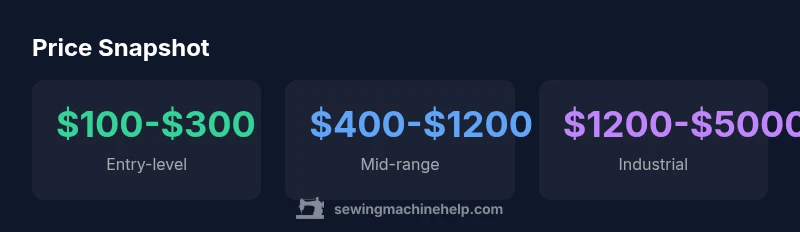
Tailor machine price ranges widely, driven by features, brand, and durability. Entry-level mechanical tailors typically run about $100–$300, mid-range computerized models around $400–$1200, and industrial or heavy-duty tailoring machines often $1200–$5000. When shopping, compare features, warranty, and service options—not just sticker price. For budget-minded buyers, refurbished units with warranty can offer solid value. Consider total cost of ownership, including maintenance and replacement parts.
Price Drivers for Tailor Machines
Prices for tailor machines hinge on three core axes: the type of machine (mechanical, computerized, or industrial), the scope of built-in features, and the expected lifespan under normal use. Entry-level mechanical units are cheaper because they have fewer automatic features and less powerful motors, while computerized models add stitch varieties, automatic tension, and user interfaces that push price upward. Industrial-tailor machines incorporate heavy-duty frames, higher-speed quills, and faster feed rates, which significantly raises cost but can reduce time-to-sew in professional settings. Additional factors like brand reputation, service network, warranty length, and import duties (for non-U.S. buyers) all influence final pricing. When assessing value, consider not just the sticker price but also expected maintenance, availability of replacement parts, and the anticipated lifetime of the machine. According to Sewing Machine Help, price sensitivity tends to track feature sets and durability, so map features to your intended projects and long-term use.
Price Ranges by Machine Type
Typical price bands vary by machine type. Entry-level mechanical tailors often fall in the low hundreds, mid-range computerized units sit in the four-hundred-to-thousand-dollar range, and industrial-tailor machines typically span from about one thousand to several thousand dollars. These ranges reflect differences in motors, number of stitches, embroidery capabilities, and automation. Buyers should also weight ongoing costs like maintenance, needle and foot supplies, and potential repair costs. In practice, a hobbyist may be satisfied with an entry-level model, while a professional tailor will likely justify higher upfront costs for speed, precision, and reliability. The key is balancing current needs with future growth and resale considerations, as the market shows steady demand for dependable mid-range and commercial units.
Key Features Driving Price
Price growth is driven by features rather than mere model names. A higher-priced machine may include automatic needle threading, memory for stitch patterns, large embroidery capabilities, automatic thread cutters, advanced tension control, and a more robust presser-foot system. A stronger motor or servo drive translates into faster sewing with less fatigue, which is valuable for long sessions. In addition, higher build quality (aluminum frames, reinforced components) and longer-lasting components influence durability and resale value. For those purchasing on a budget, prioritize essential features (reliable straight stitch, sufficient zigzag options, adjustable stitch length) and plan to add extras as needed, rather than paying for every premium function upfront.
Brand Variations and Warranty Value
Brand selection matters for price and service. Premium brands often command higher sticker prices but can offer longer warranties and more expansive service networks, reducing long-term ownership costs. Conversely, lesser-known brands may provide great value on features but varying support quality. When evaluating a quote, compare included warranty terms, service options, and coverage for parts like motors and electronic boards. A longer warranty paired with accessible authorized service centers can deliver better total value, even if the upfront price is a bit higher. Remember that availability of replacement parts and certified technicians can influence ongoing costs as much as initial price.
Smart Ways to Save Without Sacrificing Quality
To maximize value, consider buying strategies that balance price with reliability. Look for seasonal sales, education discounts, or bundled packages that include feet, extra needles, and carrying cases. If you’re budget-conscious, explore refurbished or factory-certified machines that carry limited warranties and service considerations. Buying from authorized dealers ensures compatibility of feet and accessories and often includes factory support. Don’t neglect used marketplaces; verify the machine’s stitching consistency in person, check for consistent needle alignment, and request full service history. Finally, compare total costs—not just the purchase price—by estimating maintenance, part replacements, and consumables over a five-year horizon.
Total Cost of Ownership Considerations
Total ownership goes beyond the initial price. You’ll incur ongoing expenses for needles, bobbins, thread, and presser feet, plus routine maintenance like oil changes and occasional professional servicing. Consider the availability of replacement parts and the potential cost of component failures, which can be higher for older or less common models. When budgeting, factor in training time if you’re upgrading to more advanced features and potential downtime during service visits. A model with a robust warranty and readily available service network can offset higher upfront costs with lower risk over time. SEWING MACHINE HELP recommends aligning your choice with your long-term stitching needs and the value of consistent performance.
How to Validate a Tailor Machine Price
- Compare multiple models that meet your core requirements. 2) Read independent reviews and request test samples to assess stitch quality. 3) Check warranty terms, service availability, and parts longevity. 4) Verify the total cost of ownership, including maintenance and accessories. 5) If shopping online, request a shipping quote and ensure risk-free return policies. 6) Visit an authorized dealer to test drive options before committing. Embedded in these steps is the principle of choosing value over short-term savings, especially for busy tailoring workloads.
Scenario Guide: Tailor Machine Price for Beginners vs Pros
For beginners, a modest investment in an entry-level mechanical or basic computerized model is often wise, with a price range under $500 to start. For professionals, the investment may rise to mid-range or industrial units that offer higher speed, consistency, and durability, often justified by daily use and throughput requirements. Regardless of user level, set a budget and compare models with similar feature sets to ensure you’re not overpaying for features you won’t use. Consider total ownership costs and the dealer’s support when making final decisions.
Price snapshots by machine category (approximate).
| Machine Type | Typical Price Range | Key Strength |
|---|---|---|
| Entry-level mechanical | $100-$300 | Simple, reliable, low-maintenance |
| Mid-range computerized | $400-$1200 | More stitches, built-in features |
| Industrial-tailor | $1200-$5000 | Heavy-duty, high-speed, durable |
Your Questions Answered
What is a reasonable price for a beginner tailor machine?
For beginners, entry-level mechanical models typically cost around $100-$300, offering reliable stitches for basic projects. If your budget allows, you can also find limited computerized options in the same range with a few extra stitches.
For beginners, entry-level mechanical models usually cost around one hundred to three hundred dollars, offering reliable basics.
Do I need a computerized tailor machine?
Computerized models offer a wider range of stitches and features, which can improve efficiency but come at a higher price. If you primarily do simple garments, a mechanical model may suffice. Weigh your need for advanced stitches against the extra upfront cost.
A computerized model is nice for more stitches, but not always necessary for simple projects.
Is refurbishing an affordable option for tailor machines?
Refurbished machines with warranty can provide good value, especially if you source from reputable dealers who test stitch quality and provide service history.
Refurbished machines with warranty can save money if bought from a reputable seller.
What affects warranty length on tailor machines?
Warranty length is influenced by brand, model, and whether the unit is new or refurbished. Longer warranties are usually paired with better service networks and availability of parts.
Warranty length depends on brand and whether the machine is new or refurbished.
Where is the best place to buy tailor machines?
Compare prices from both online retailers and authorized dealers. Test stitches when possible and check return policies and shipping costs.
Shop both online and in-store, test stitches, and check returns.
How to estimate total cost of ownership?
Account for upfront price, ongoing maintenance, needles, feet, thread, and potential repair costs. A model with a strong warranty and readily available parts lowers long-term risk.
Estimate maintenance and parts costs to understand true price of ownership.
“Value comes from durability, parts availability, and a solid warranty, not just the upfront price.”
The Essentials
- Define your use-case first to narrow price bands.
- Compare machine type and features, not just price.
- Budget for maintenance and supplies.
- Consider refurbished options with warranty.
- Check warranty length and service availability.