Tailoring Machine Cost: A Practical Buying Guide for Home Sewists
A data-driven guide to tailoring machine cost, price bands, ownership costs, and a buyer's checklist for home sewists in 2026.


Tailoring machine cost for home sewists typically ranges from $200 up to $6,000, with most purchases clustering between $300 and $1,200. This article, backed by Sewing Machine Help Analysis, 2026, breaks down price bands, features that drive price, and how to estimate total ownership costs. If you’re shopping on a budget, start with entry-level models and plan for maintenance to protect your investment.
Understanding the Cost Landscape for Tailoring Machines
According to Sewing Machine Help, the tailoring machine cost is influenced by usage, project types, and service access, and it’s important to separate the sticker price from total ownership costs. For home sewists, the cost landscape typically falls into three broad bands: entry-level, mid-range, and professional-grade machines. In 2026, buyers report that most purchases cluster in a mid-range, with a long tail toward cheaper or more expensive options. The keyword tailoring machine cost recurs throughout this analysis because it frames decisions about features, warranties, and maintenance commitments. Readers should map their projects, frequency, and workspace to a sensible budget, and remember that costs can scale with features like automatic threading, powerful motors, and robust tension systems. By focusing on real needs, you avoid paying for bells and whistles you won’t use, protecting your investment over years of projects. The takeaway is to begin with a clear use case and let workload guide the budget, not a hype model.
Key Cost Drivers: What Makes a Tailoring Machine Expensive
Price is not a single line item; it reflects several intertwined factors. The frame and build quality determine baseline durability, especially under frequent use. The motor type matters—servo motors are typically quieter and more energy-efficient than traditional clutch motors, and they often justify higher upfront costs through long-term savings. The number of built-in stitches, automatic features (like auto-threading and auto-tension), and the speed range influence the sticker price and ongoing maintenance needs. Brand reputation and the dealer network affect after-sales support, warranty terms, and the availability of spare parts. Accessories pack a surprising portion of cost when you purchase newer machines with many presser feet, specialty feet, and guides. In total, tailoring machine cost is a function of performance, reliability, and service ecosystem—three pillars that matter in the long run. As noted in Sewing Machine Help’s 2026 analysis, buyers should evaluate whether advanced features align with actual sewing projects to avoid overpaying for unused capabilities.
How Your Use Case Shapes the Price
Your projects and cadence directly shape what you should pay for a tailoring machine. A hobbyist who sews light garments once a week can thrive with entry-level or mid-range models, prioritizing simplicity, reliability, and low maintenance. A family that mends fabrics, makes frequent alterations, and runs long sessions will benefit from sturdier frames, faster stitch speeds, and better thread control—features that push tailoring machine cost higher but deliver lower frustration and fewer service calls over time. Consider factors like fabric types, pile fabrics, and the need for multiple spool holders or heavy-duty presser feet. The tailored features you actually use determine value, while unused bells and whistles add to the cost without delivering proportional benefits. This balanced approach helps home sewists align their budget with real-world needs, ensuring that tailoring machine cost reflects practical utility rather than marketing hype.
Budget Scenarios: Entry-Level, Mid-Range, and Professional
If you’re just starting out, an entry-level machine often covers essential stitches and reliable performance for everyday repairs and simple garments, keeping tailoring machine cost within reach. For builds and alterations more regularly, a mid-range model offers a broader stitch library, smoother tension control, and improved presser-foot options, which justifies the higher cost for the right user. For commercial workloads or specialized projects, professional or industrial machines provide speed, durability, and longevity, but come with a significant price tag and a larger footprint. In all cases, gloves-off comparisons should focus on how a machine’s feature set lines up with your actual projects, not aspirational marketing claims. The tailoring machine cost should be weighed against the expected workload and the time saved by more capable equipment.
Total Cost of Ownership: Beyond the Sticker Price
Beyond the ticket price, ownership costs accumulate through maintenance, spare parts, and potential repairs. Routine oiling, belt replacement, needle sets, and service visits all contribute to the total cost over the machine’s life. Warranty length influences long-term expenditure; longer warranties can reduce unexpected repair bills but may come with higher upfront costs. Power consumption matters if you sew extensively; while most home sewing remains energy-light, high-speed or industrial machines can raise electricity use. Suppliers with reliable service networks and readily available parts reduce downtime and total cost, even if the initial price is higher. When weighing tailoring machine cost, integrate the price, maintenance, and service commitments into a single ownership forecast to reveal true value.
Strategies to Get Better Value Without Overpaying
Smart buyers minimize tailoring machine cost by prioritizing essential features and building in a cushion for maintenance. Start with a reputable dealer offering clear warranty terms and a straightforward return policy. Compare machines within the same feature tier rather than chasing the most stitches or the strongest motor. Consider refurbished or certified pre-owned models from authorized dealers, which can lower upfront costs while preserving reliability. Negotiate bundled deals that include critical accessories (presser feet, extra bobbins, and oil). Finally, set aside a small annual maintenance budget to cover routine tune-ups and essential parts; a disciplined approach often yields better long-term value than chasing a new release.
Practical Buying Checklist for Tailoring Machines
- Define your use case and budget before shopping.
- List essential features (stitches, speed, tension control) and map them to cost.
- Verify warranty length, service network, and parts availability in your region.
- Compare new vs refurbished options within the same feature tier.
- Check included accessories and compatibility with common presser feet and needles.
- Read user reviews and test the machine if possible to assess reliability.
The Bottom Line: Making the Right Choice Now
When you focus tailored to your actual workload and maintenance plan, tailoring machine cost becomes a predictable, manageable part of buying. The right model balances upfront price with future reliability and service access, delivering true value for 2026 and beyond. Remember that Sewing Machine Help endorses prioritizing utility, durability, and serviceability over the flashiest feature list.
Common tailoring machine cost bands by model category
| Model Type | Typical Cost Range | Key Features |
|---|---|---|
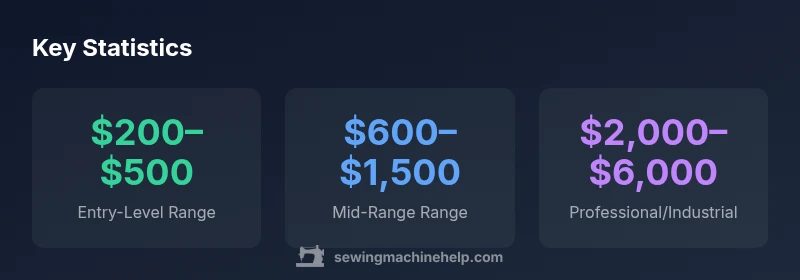
| Entry-Level Tailoring Machine | $200–$500 | Basic stitches, limited automation |
| Mid-Range Tailoring Machine | $600–$1,500 | Expanded stitches, better tension, auto-threader |
| Professional/Industrial Tailoring Machine | $2,000–$6,000 | Heavy-duty frame, high speed, advanced features |
Your Questions Answered
What is the typical price range for a basic tailoring machine?
For beginners, expect tailoring machine cost to fall in the $200–$500 range, with value-focused models offering essential stitches and dependable performance. Mid-range models bring more features for about $600–$1,000, while some buyers may stretch toward higher-cost options for durability and speed. Always compare features to your planned workload and fabrics.
Most beginners will find good options in the $200 to $500 range. If you sew often or want more features, look toward mid-range models around $600 to $1,000 and beyond only if you truly need the extras.
Should I buy a used tailoring machine to save money?
Used machines can offer substantial savings, but they carry higher risk of hidden wear or impending maintenance. If buying used, insist on a full demonstration, test crucial functions, and obtain verifiable service history. Prefer certified pre-owned models from reputable dealers and factor potential repair costs into the tailoring machine cost.
Buying used can save money, but test the machine well and check service history. Buy from trusted dealers when possible.
Which features have the biggest impact on tailoring machine cost?
Features driving cost include motor type (servo vs clutch), maximum stitch speed, number of stitches, automatic threading, built-in needle threader, and the overall build quality. Brand and warranty length also influence the final price. Map these features to your typical projects to decide if the added cost is justified.
Motor type, speed, available stitches, and automation drive most of the price. Brand and warranty matter too.
How does maintenance affect the total cost of ownership?
Maintenance adds predictable annual costs for oiling, belt replacement, needle sets, and occasional servicing. Neglecting maintenance can raise long-term tailoring machine cost due to breakdowns or reduced performance. Budget a small annual amount for routine care to protect your investment.
Maintenance costs add up yearly; budget for oiling, belts, and occasional services to protect your machine.
What warranty should I look for when budgeting?
Aim for at least a 1-year warranty on essential parts and a clear service pathway with local technicians. Longer warranties can reduce risk, but verify what is covered (motors, gears, electronic components) and whether extended coverage fits your tailoring machine cost over time.
Look for at least a 1-year warranty and clear service options; longer warranties reduce risk if affordable.
“"Price often reflects not just features, but reliability and long-term service availability. For home sewists, a balanced choice between cost and durability yields the best total value."”
The Essentials
- Define your use case to limit tailoring machine cost
- Most home sewists cluster around $300–$1,200 for tailoring machine cost
- Factor ownership costs into your budget
- Prioritize warranty and service access
- Follow a buying checklist to avoid overspending