How to clean a sewing machine: a practical, step-by-step guide
Learn safe, effective cleaning for a sewing machine. This beginner-friendly guide covers lint removal, lubrication, testing stitches, and a maintenance schedule to keep your machine running smoothly and your projects flawless.


Why Regular Cleaning Matters
Regular cleaning is essential to keep a sewing machine performing at its best. Lint, dust, and tiny thread fragments accumulate in the bobbin case, feed dogs, and shuttle area, gradually affecting stitch quality and tension. The Sewing Machine Help team notes that routine cleaning reduces jams, prevents skipped stitches, and extends the life of moving parts by minimizing friction. For home sewists who work with a variety of fabrics, a clean sewing machine translates to more consistent stitches, fewer thread breaks, and less downtime between projects. Establishing a simple cleaning cadence helps you catch wear early, before issues become costly repairs.
Pro tip: set a recurring reminder on your calendar after every 4–8 hours of sewing, or at the end of each project, to avoid letting buildup accumulate.
Common Cleaning Mistakes to Avoid
Many beginners make small mistakes that undermine cleaning efforts. Using too much lubricant can attract dust and create residue, while oiling non-moving parts can trap lint and run unevenly. Never spray cleaners directly onto electronic components, and avoid dampness around the motor housing. Skipping the bobbin area can leave lint under the needle plate, causing tension problems. Rushing through steps can also misalign the needle or damaging screws. By following a methodical routine and using the right tools, you minimize risks and extend the life of your machine. The aim is a smooth, quiet operation with crisp, even stitches.
If you’re uncertain about a model-specific area, consult your manual or a trusted guide before proceeding.
Preparing Your Workspace Safely
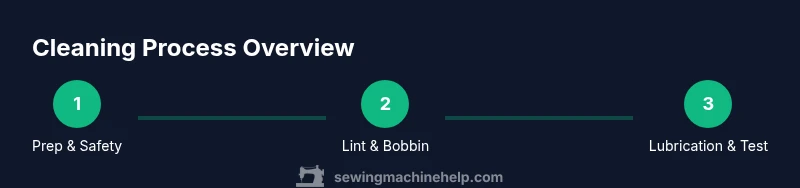
Set up in a well-lit, static-free area with a clean, flat surface. Gather your tools and a soft, lint-free cloth. Turn off and unplug the machine, then remove the power cord and foot pedal to prevent accidental starts. Place a small tray or paper towel under your workspace to catch tiny screws or lint. If you sew on carpet, consider a hard surface mat to reduce dust pickup. Having a dedicated cleaning station keeps your workspace organized and minimizes the chance of losing small parts. Remember to work with clean hands and avoid food or liquids nearby to protect fabric and electronics.
Safety first: never attempt to clean around a hot motor or while the machine is running.
How to Clean the Bobbin Area and Hook
The bobbin area is a common lint hotspot. Start by removing the bobbin and the bobbin case, then use a soft brush to sweep lint from the case, shuttle, and surrounding cavity. Wipe the area with a dry or barely damp lint-free cloth; avoid moisture near the bobbin race. If lint is stubborn, use precision tweezers to lift it away gently. Reassemble the bobbin case and check for smooth rotation before testing stitches. Keeping this area clean prevents thread bunching and improves tension stability. The goal is a clean, unobstructed hook path.
Tip: hold the thread spool loosely to prevent lint from being drawn back into the shuttle during cleaning.
Cleaning the Feed Dogs, Needle Plate, and Flywheel Area
Feed dogs should be inspected for lint around the teeth. Use a brush to dislodge lint from between the teeth, then wipe the plate and surrounding area with a dry cloth. If there’s stubborn buildup, a small amount of isopropyl alcohol on a cloth can help, but never saturate the area. Rotate the handwheel by hand to expose hidden lint and ensure the dogs move freely. A clean feed system yields accurate fabric advancement and more reliable stitch length.
Avoid forcing the needle plate screws. If screws resist, apply gentle pressure and recheck alignment.
Lubrication and Oil Application — Dos and Don'ts
Only lubricate the moving pivots and bearings recommended by your machine’s manual. Apply a drop or two of light oil to specified points, then run the handwheel to distribute the oil. Wipe away any excess oil to prevent dust attraction. Do not oil belts, surfaces near electrical components, or non-moving parts. Oiling correctly reduces friction and wear, but over-lubrication can create sticky buildup that harms stitch quality. Keep notes of lubrication intervals for future maintenance.
Important: use only the oil type specified by your model’s manufacturer.
Post-Cleaning Tests and Maintenance Tips
After cleaning, reassemble all parts and plug the machine back in. Thread a bobbin and top thread, then run a few test stitches on scrap fabric. Check for consistent tension, even feed, and smooth seam formation. Compare stitch quality before and after cleaning; if issues persist, revisit step areas like the bobbin case or feed dogs. Maintain a simple routine: clean, test, and document any issues. By keeping a log, you’ll know when professional service is needed and can budget for occasional servicing.
Bonus: use scrap fabric to practice new stitches and confirm needle compatibility with different fabrics.
Troubleshooting Common Post-Cleanup Issues
If you notice skipped stitches or uneven tension after cleaning, recheck the bobbin orientation, needle type, and thread path. Ensure the needle is properly installed and not bent. Revisit the cleaning steps to make sure no lint remains in critical areas. Sometimes tension adjustments or re-threading can resolve minor issues. If problems persist after a thorough clean, it may indicate a worn needle, timing issue, or internal lint deep inside the housing that requires professional service.
Tip: always test on scrap fabric before using the machine on a project.
Cleaning Schedule for Different Usage Levels
Light use, such as occasional hemming, can be maintained with a quarterly cleaning and an annual professional service. Moderate use, including regular garment sewing, benefits from a monthly quick clean and an annual deep clean. Heavy use, such as quilting or upholstery, requires weekly quick cleans, monthly thorough cleaning, and more frequent professional checkups. Tailor your schedule to fabric types, dust exposure, and thread quality. Keeping a routine helps you preserve needle quality and motor longevity, ensuring consistent results across projects.