How to Clean a Sewing Machine at Home
Learn how to clean a sewing machine at home safely with a practical, beginner-friendly method. This guide covers tools, exterior and internal cleaning, lubrication, and a final test to keep your machine running smoothly.


You will learn how to clean a sewing machine at home safely, removing lint, dust, and old oil with the right tools. This guide covers exterior cleaning, bobbin area care, lubrication, tension checks, and post-cleaning tests. Following these steps helps prevent jams, uneven stitches, and wear, extending your machine's life.
Why Regular Cleaning Extends Your Sewing Machine's Life
A clean sewing machine runs more reliably and lasts longer. Regular cleaning removes lint, dust, and fabric fibers that accumulate around the bobbin area, feed dogs, and motor housing. When these particles build up, tension can become inconsistent, stitches can skip or bunch, and moving parts can wear unevenly. According to Sewing Machine Help, establishing a simple cleaning routine is a practical step for home sewists to protect investment and improve results on every project. By integrating cleaning into your normal workflow, you reduce the likelihood of stubborn jams and performance dips between sessions. This maintenance habit pays off in smoother stitches, quieter operation, and longer equipment life. If you treat cleaning as a regular part of your sewing routine, you’ll spend less time troubleshooting issues and more time creating.
Tools and Materials You Need
Before you start, gather a small, dedicated kit. Having the right tools saves time and minimizes risk of damage. The following items cover most beginner and intermediate maintenance tasks:
- Precision screwdriver set (small Philips and flathead) — required: true — note: some machines hide screws under plates; a precise set makes accessing the bobbin area easier.
- Soft nylon brush or lint brush — required: true — note: use gentle strokes to avoid scratching finishes.
- Microfiber cleaning cloth — required: true — note: non-abrasive, lint-free to avoid leaving fibers behind.
- Sewing machine oil (specifically formulated for interior moving parts) — required: true — note: apply sparingly to designated points only.
- Isopropyl alcohol 70% or a manufacturer-approved cleaning solution — required: false — note: helps disinfect thread guides but should not contact electronics.
- Cotton swabs — required: false — note: useful for tiny crevices around the bobbin case.
- Small handheld vacuum with brush attachment — required: false — note: optional for removing accumulated lint in hard-to-reach areas.
- Good lighting or a bright lamp — required: true — note: ensures you can see tiny lint particles and screws clearly.
Tip: Keep fasteners in a small labeled tray to prevent losing tiny screws during disassembly. This is especially helpful if you’re cleaning multiple models over time.
Safety First: Prepare Your Workspace
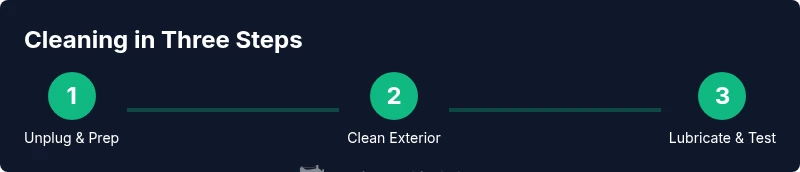
Set up a clean, well-lit workspace on a sturdy table. Before touching the machine, unplug it from the wall outlet and remove the power foot pedal if present. Work on a non-scratch surface and avoid damp cloths around electrical components. Keep small parts in sight and away from curious children or pets. If your machine has a metal plate with a removable cover, open it only after removing screws with the appropriate precision screwdriver. Remember: patience and safety prevent damage that could void warranties. This upfront caution aligns with best practices shared by Sewing Machine Help to protect both you and your equipment.
Exterior Cleaning: What to Wipe and What to Avoid
Start with the exterior surfaces: the slotted needle plate, foot pedal housing, and lid. Use a microfiber cloth lightly dampened with water or a manufacturer-approved cleaner, and wipe in the direction of the grain to avoid streaks. Do not spray liquid directly onto the machine, and avoid harsh solvents that can degrade plastic parts or finishes. For stubborn spots, a small amount of isopropyl alcohol on a cloth can help without soaking internal components. After wiping, dry with a clean cloth to prevent moisture from seeping into seams or joints. Finished surfaces also benefit from a soft brush to dislodge lint from crevices before you inspect the needle area.
Internal Cleaning: Bobbin Area, Shuttle, and Feed Dogs
Access the bobbin area according to your manual. Remove the bobbin and bobbin case gently, keeping track of spring-loaded parts. Use the brush to sweep lint from the bobbin race, shuttle, and surrounding crevices. A careful pass with a vacuum wand or compressed air can help remove fine dust, but avoid blasting air directly into electronics. Wipe surfaces with a dry cloth if needed. Reinsert the bobbin and check that the thread winds smoothly without resistance. This step is the core of preventing tension issues and skipped stitches, a point emphasized in many Sewing Machine Help tutorials.
Lubrication, Reassembly, and Final Test
Apply a light layer of sewing machine oil to the pivot points and moving surfaces specified in your manual. Do not over-lubricate; a tiny drop is enough to reduce friction. Reassemble any covers and rethread the machine to check tension. Run a test stitch on scrap fabric at varying settings to verify even feed and proper stitch formation. If you notice rough sounds or binding, stop and consult your manual or a professional. Lubrication should feel like a subtle, quiet function, not a greasy mess.
Maintenance Habits to Keep Your Machine Running Smoothly
Create a simple weekly or monthly routine based on how often you sew. Cover the machine when not in use to prevent dust buildup. Schedule periodic deep cleans every three to six months, depending on usage and environment. Keep spare needles, a small brush, and oil on hand so you can address minor lint buildup quickly. Document your cleaning sessions so you can track wear and service needs. Establishing these habits, as recommended by the Sewing Machine Help team, helps maintain precision and extends the life of your machine.
Tools & Materials
- Precision screwdriver set (small Philips and flathead)(Screws may be hidden under plates; essential for bobbin area access.)
- Soft nylon brush or lint brush(Gentle, non-abrasive strokes to lift lint.)
- Microfiber cleaning cloth(Non-abrasive and lint-free for surfaces.)
- Sewing machine oil (manufacturer-approved)(Apply sparingly to designated moving parts.)
- Isopropyl alcohol 70% or manufacturer cleaner(Only for stubborn spots; do not soak electronics.)
- Cotton swabs(For tight crevices around bobbin area.)
- Small handheld vacuum with brush attachment(Optional for lint removal in hard-to-reach spots.)
- Adequate lighting(Bright lamp helps see tiny particles and screws.)
Steps
Estimated time: 45-60 minutes
- 1
Unplug and Prepare Workspace
Ensure the machine is unplugged and move it to a clean, well-lit surface. Remove the pedal if present to avoid accidental activation during cleaning. This initial safety step protects you and the machine while you work.
Tip: Use a labeled tray for screws and small parts to prevent misplacement. - 2
Remove Needle and Presser Foot
Take out the needle and presser foot to clear the needle bar and surrounding area. This reduces risk of accidental puncture and provides clear access to the lint-prone zones.
Tip: Keep the needle in a magnetic tray to avoid losing it. - 3
Open Bobbin Cover and Access Bobbin Area
Open the bobbin cover as described in your manual and remove the bobbin. Inspect for lint buildup around the bobbin case and race where lint commonly hides.
Tip: Take a quick photo of the bobbin path before disassembly to aid reassembly. - 4
Clean Bobbin Area and Feed Dogs
Use the soft brush to sweep lint from the bobbin race, shuttle, and feed dog teeth. If needed, a gentle puff of air from a blower can help loosen dust—avoid direct, forceful blasts toward the electronics.
Tip: Do not scrub metal parts aggressively; lint can be embedded into small gaps. - 5
Exterior Cleaning and Light Surface Wipe
Wipe exterior surfaces with a microfiber cloth lightly dampened with water or manufacturer-approved cleaner. Avoid oversaturation and never spray cleaners into the machine. Dry thoroughly with a clean cloth to prevent moisture ingress.
Tip: Focus on the needle plate, latch areas, and seams where lint accumulates. - 6
Lubricate Moving Parts
Apply a tiny drop of sewing machine oil to the pivot points and other manufacturer-approved sites. Wipe away any excess; over-lubrication can attract more dust and cause residue buildup.
Tip: Only lubricate where the manual specifies; follow the exact points listed. - 7
Reassemble and Resume Testing
Reinsert the bobbin, needle, and foot. Rethread the machine and run a test stitch on scrap fabric at different stitch settings to verify tension and feed.
Tip: If the stitch looks off, rethread and recheck bobbin placement before adjusting tension. - 8
Document and Observe
Record the maintenance date and any observations from the test. Monitor the machine during the next few projects for any changes in stitch quality or noise.
Tip: A simple log helps track when a deeper service might be needed.
Your Questions Answered
Can I use household cleaners to clean the sewing machine?
No. Avoid household cleaners and water on internal components. Use a dry cloth or a manufacturer-approved cleaner for exterior parts, and only light moisture on non-electrical areas.
Avoid household cleaners; use manufacturer-approved products and a dry cloth for safety.
How often should I clean my sewing machine?
Clean based on usage: frequent projects or dusty environments require more regular cleaning (e.g., monthly or after a few big projects). In light usage, a quarterly cleaning is usually sufficient.
Clean according to usage; more frequent cleanings in dusty spaces or high-volume sewing.
Is oil required after every cleaning?
Oil is needed only at the points specified by your machine’s manual. Use sparingly and avoid over-lubricating moving parts.
Oil only where the manual says; a little goes a long way.
What signs indicate the machine needs professional servicing?
If you notice persistent skipped stitches, unusual grinding noises, excessive thread fraying, or binding that you cannot resolve after cleaning and re-threading, seek professional service.
If problems persist after cleaning, it's time to get a professional check.
Should I remove the needle during cleaning?
Yes. Removing the needle ensures safety and makes it easier to access the needle bar and surrounding parts without injury.
Yes, remove the needle for safety when cleaning.
Watch Video
The Essentials
- Unplug before you begin cleaning.
- Use the right tools and keep parts organized.
- Lubricate only designated points with minimal oil.
- Test stitches on scrap fabric to verify results.
- Keep a simple maintenance schedule to extend machine life.