Beginner-Friendly Sewing Machine Guide for 2026
Learn the essentials of sewing machines for beginners. This guide covers choosing a first machine, threading, basic stitches, and maintenance to start sewing confidently in 2026.


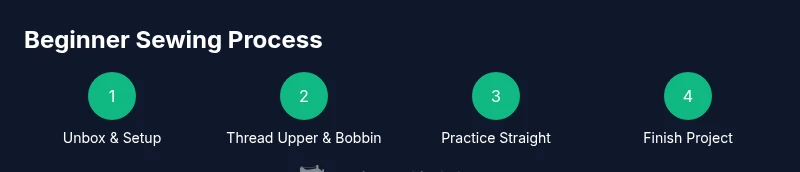
In this guide, you will learn how to choose a beginner-friendly sewing machine, set it up safely, thread the machine, wind a bobbin, practice basic stitches, and complete your first project with confidence. We cover essential tools, common pitfalls, and practical tips to help you start sewing right away.
Getting started: why a sewing machine matters for beginners
According to Sewing Machine Help, beginners guide to sewing machine basics can feel overwhelming at first, but a calm start makes all the difference. This section explains why a beginner-friendly setup matters and what you can expect to learn in this guide. You’ll move from unboxing to actual stitching with confidence, focusing on safe handling, core features, and a simple practice routine. Start by selecting a machine with clear stitch options, a readable manual, and straightforward threading. A machine with friendly language on the dials and a lighted work area reduces misreads and errors. In this guide, you’ll learn how to set up the machine, wind a bobbin, thread correctly, and run basic stitches on scrap fabric. Embrace a patient, step-by-step approach: one skill at a time builds your muscle memory and your creativity. By dedicating short daily practice sessions, you’ll progress faster than long sporadic bouts. The goal here is practical proficiency, not perfection, so celebrate small wins as you go.
How to choose your first sewing machine for beginners
Choosing your first sewing machine sets the tone for learning. For beginners, look for reliability, basic stitch options, and friendly maintenance. Start with a budget-friendly model in the $150–$350 range, or borrow from a sewing club to try before buying. Key features to prioritize: a straight stitch and a few common decorative stitches, built-in needle threader, automatic bobbin winder, a free-arm section for cuffs and sleeves, adjustable stitch length and width, and a clear, easy-to-read manual. Compare brands based on availability of spare parts and local service; in our experience, the simpler the control panel, the faster you’ll feel competent. If you plan to sew heavier fabrics later, consider a machine with a stronger motor and a metal frame. Avoid models with too many specialized stitches or complex threading paths—these can slow you down at first. Finally, check for a forgiving needle system and compatible presser feet. This foundation helps you build consistent technique as you practice.
Safety and setup basics
Safety comes first when you’re new to sewing. Before you touch the pedal, unplug the machine and clear your workspace. Read the manual to locate the power switch, pedal, presser foot, needle, and bobbin area. Place the machine on a sturdy table with good lighting and a comfortable height. Keep fingers away from the needle while threading and starting; use small tools to guide threads if needed. Start at a low speed and practice on scrap fabric to build confidence. Keep machines away from children and pets, and never leave a running machine unattended. A calm setup routine reduces accidents and builds good habits from day one.
Mastering thread paths: upper thread and bobbin basics
Threading the upper thread and winding the bobbin are foundational skills. Begin by winding a bobbin evenly and placing it in its case. Thread the machine following the guides, ensuring the thread engages the tension discs. Lift the take-up lever to its highest position, then thread through guides until it exits the needle. Thread the needle from front to back, pull a few inches of thread, and test on scrap fabric. If you see loops on the underside, rethread or adjust tension. Practice this process a few times to create consistent, even stitches. A steady hand and slow pace pay off with clean seams.
Understanding stitch types and fabric tension
A solid grasp of stitches is essential for quality results. Start with a straight stitch for seams and a basic zigzag for finishing edges or stretch fabrics. Test stitch length and width on scrap fabric to observe how stitches behave on different materials. Tension is the invisible boss of your seams: too tight or too loose will cause unsightly loops or loose edges. Use the right needle for the fabric (universal for woven fabrics, ballpoint for knits) and avoid forcing thick materials through the feed dog area. A simple swatch practice sheet helps you compare outcomes and refine tension before working on a real project.
Presser feet and interchangeable options
Presser feet guide fabric through the machine in different ways. For beginners, start with the standard/and general-purpose foot, then explore a walking foot for thick layers and a zipper foot for inserts. Changing feet is straightforward: turn off the machine, raise the needle, loosen the foot screw, remove the current foot, align the new foot, and tighten. Practice quick changes on scrap fabric so you’re comfortable moving between tasks without losing momentum. Understanding feet reduces mistakes and expands the range of projects you can tackle.
Simple projects to build confidence
Begin with easy, practical projects to reinforce skills and celebrate progress. Great starter projects include a pillow cover, tote bag, or simple apron. Use scrap fabric to perfect seams and hems before committing to your main fabric. Break projects into small steps—cutting, pinning, sewing, pressing, and finishing—to mimic a real workflow. Each completed project creates a tangible sense of achievement and reveals areas to improve next time. As you gain comfort, you can add pockets, linings, or zippers to gradually increase complexity.
Basic machine maintenance you can’t ignore
A reliable machine is a happy machine. Regular maintenance is simple: wipe away lint after sewing, especially around the feed dogs and bobbin area; remove lint with a small brush or cloth. Keep thread paths clean and replace needles frequently—never reuse a bent or dull needle. Oil or apply light lubricant only if your machine’s manual specifies it; many modern machines require minimal or no oiling. Store accessories in labeled containers and keep your manual accessible for troubleshooting. These habits save time and extend the life of your machine.
Troubleshooting common beginner issues
New sewists encounter issues like skipped stitches, thread nests, or uneven feed. Start by rethreading the upper path and re-winding the bobbin, ensuring thread sits properly in the tension discs. Check needle size and type for the fabric, and verify the fabric is feeding straight. If fabric bunches, slow down and provide even pressure; if stitches skip, try a new needle and rethreading. Keep a small notebook of problems and fixes to speed up future sessions. These steps reduce frustration and keep the learning momentum going.
Accessories that simplify learning
A few key accessories can dramatically improve your experience. Invest in extra bobbins, a selection of needles (sizes 80/12 to 90/14), a spare foot kit, scissors, seam ripper, pins, and a measuring tape. A sturdy needle threader can help when learning to thread. A fabric marker, chalk, or washable pen helps transfer hemlines and markings accurately. Keep everything organized in a dedicated sewing kit to minimize setup time and maximize practice. Accessories are the quiet boosters of consistent progress.
How to read your machine’s manual and plan practice
Your manual is a map for success. Start by scanning for safe operation, threading diagrams, and basic stitch options. Create a simple practice plan: 15–20 minutes of setup and stitching three times per week, focusing on one skill per session. Keep a log of what you practiced, what worked, and what didn’t, then adjust your goals accordingly. Reading the manual regularly helps you avoid bad habits and makes advanced projects more approachable. As you grow, you’ll reference the manual less often, but it will always be your trusted reference.
Next steps: building a sustainable practice routine
After you’ve mastered the basics, design a sustainable practice routine that fits your schedule. Set a realistic goal for a small project each week, gradually increasing difficulty as confidence builds. Join a local makerspace or online sewing group to exchange tips and get feedback. Regular, focused practice turns initial curiosity into a durable skill. Remember, progress comes from consistency, not perfection, so celebrate every finished seam and improved stitch.
Tools & Materials
- Sewing machine (beginner-friendly)(Choose a model with simple stitches and clear manual)
- Power cord and foot pedal(Ensure compatibility with your machine)
- Bobbin(Empty and pre-wound; keep several on hand)
- Extra bobbins(3–5 for practice and switching colors)
- All-purpose sewing thread (polyester or cotton blend)(Match to fabric type; have at least 2 colors)
- Needles (80/12 and 90/14 universal)(Use appropriate needle for fabric; replace when dull)
- Fabric scissors (sharp)(Dedicated for fabric only)
- Thread snips or small scissors(For trimming threads close to fabric)
- Seam ripper(To fix mistakes quickly)
- Pins and pin cushion(Ballpoint pins for knits, sharp for wovens)
- Measuring tape (2–3 m)(Flexible for hems and allowances)
- Fabric marking tools(Chalk or washable markers for markings)
- Scrap fabric for practice(Various weights and textures)
Steps
Estimated time: 60-90 minutes
- 1
Unbox and identify parts
Open the box and lay out the machine, power cord, foot pedal, bobbin, needles, and manual. Identify key parts like the presser foot lever, spool pin, needle plate, and take-up lever. This initial familiarity reduces setup time in future sessions.
Tip: Keep the manual within reach and point out each part as you locate it. - 2
Place on a stable surface and plug in
Set the machine on a sturdy table at a comfortable height. Plug in the power cord and connect the foot pedal. Ensure the area is well-lit and free of clutter before you begin practicing.
Tip: A well-lit, stable workspace prevents mistakes and fatigue. - 3
Wind and insert the bobbin
Wind a bobbin evenly and place it in its case as directed by your manual. Ensure the bobbin turns the correct way and threads into the case securely. This step is essential for even, balanced stitches.
Tip: Use scrap fabric to test the bobbin winding before starting a project. - 4
Thread the upper thread
Follow the path shown on your machine to thread the upper thread through guides, the tension discs, and up to the take-up lever. Bring the thread down toward the needle but don’t pull it tight yet.
Tip: Take your time to seat the thread correctly; a slipped thread causes issues later. - 5
Thread the needle
Thread the needle from front to back and pull a few inches of thread through the needle eye. Lower the presser foot before pulling to ensure the thread seats properly in the tension path.
Tip: If your needle struggles, consider replacing it with a fresh one. - 6
Baste a test seam
Place scrap fabric under the presser foot and align the edge with the seam guide. Sew a short straight line at a comfortable speed to confirm stitch formation.
Tip: Use the longest stitch length on your first tests to ease fabric movement. - 7
Practice straight and zigzag stitches
Switch to a zigzag stitch and test on scrap fabric. Observe the edge finish and adjust the stitch width and length as needed.
Tip: Keep even pressure and let the machine feed fabric—don’t pull. - 8
Change thread colors and fabrics
Try changing colors and fabrics to see how tension and needle choice affect results. Record what changes you make for future reference.
Tip: Different fabrics require different needles and tensions. - 9
Sew a simple seam project
Cut two fabric pieces and sew a basic straight seam. Press seams with an iron to set the stitches and improve finish.
Tip: Pressing is part of the sewing process, not an afterthought. - 10
Clean up and perform basic maintenance
Turn off the machine, unplug, and remove lint from around the feed dogs. Replace the needle if it shows any wear, and store tools properly.
Tip: Regular cleaning prevents skipped stitches and jams. - 11
Review and reflect on performance
Inspect your stitches, note any issues, and adjust thread path or tension accordingly. Celebrate small wins and plan your next practice session.
Tip: Keep a quick log of what you learned to build momentum. - 12
Plan your next project
Choose a simple project that builds on skills learned (e.g., pillow cover). Gather materials and schedule time to practice again.
Tip: Set a realistic goal for the week to maintain consistency.
Your Questions Answered
Do I need an expensive machine to start sewing?
Not necessarily. A budget-friendly model with basic stitches and reliable operation is enough to learn fundamentals. You can upgrade later as you gain confidence and identify the features you’ll use most.
You don’t need a fancy machine to start—begin with a simple, reliable model and upgrade later as you grow.
What needle size should beginners use?
For most beginner projects, start with a universal needle in size 80/12 or 90/14. Switch to a ballpoint needle for knit fabrics and a heavier needle for denim or canvas.
Use a universal needle, usually 80/12 or 90/14, and switch for different fabrics.
How often should I oil my machine?
Many modern machines require minimal or no oiling. Check your manual for guidance. If oiling is recommended, do it sparingly and only in the indicated spots.
Oiling depends on the model—follow the manual, and oil only where specified.
Why does my thread nest underneath the fabric?
Nests are usually caused by incorrect threading or improper tension. Re-thread the machine path, verify the bobbin is wound correctly, and test on scrap fabric.
A common cause is wrong threading or tension—rethread and test on scrap fabric.
Can I sew different fabrics with the same needle?
Most fabrics can start with a universal needle, but switch needles when changing fabric types (e.g., knits require ballpoint). This prevents skipped stitches and breaks.
For different fabrics, switch the needle type to suit the material.
What beginner projects are best?
Begin with simple items like a pillow cover, tote bag, or simple apron. These build basic skills without overwhelming you with complexity.
Start with easy projects like a pillow cover or tote bag to build confidence.
Watch Video
The Essentials
- Choose a beginner-friendly machine with essential stitches
- Master threading and bobbin winding early
- Practice with scrap fabric before real projects
- Keep your machine clean and well-maintained
- Build a regular, manageable practice routine