Cowboy Leather Sewing Machine: Practical Leather Guide
Learn how to choose, set up, and use a cowboy leather sewing machine for durable leather projects. This guide covers needles, thread, tension, safety, and maintenance with practical tips for beginners.


In this guide, you will learn how to set up and operate a cowboy leather sewing machine for durable leather projects. You’ll align the right needle, thread, and foot, then follow a safe, step-by-step workflow from prep to finish. By the end, you’ll be ready to tackle belts, wallets, and saddlery with confidence.
Introduction to cowboy leather sewing machine
A cowboy leather sewing machine is a rugged tool suited for heavier materials like leather, denim, and suede. It enhances off-the-shelf home machines with features such as a walking foot, stronger feed mechanism, and thicker needle options. For hobbyists and beginners, understanding how this machine differs from standard domestic models helps you plan projects more effectively. According to Sewing Machine Help, leather projects demand precise needle choices, reinforced threads, and a stable, well-weighted setup. In practice, this means choosing the right needle size, thread type, and presser-foot configuration before you begin any stitching. If you’re just starting out, expect a learning curve, but the payoff is durable seams that hold up to wear and use. This guide walks you through the essential steps, common mistakes to avoid, and practical workflows that translate to real-world leather projects like belts, wallets, and small saddlery pieces.
Leather demands more bite from your machine, but with careful tuning, you can achieve professional-looking results at home.
Why leather projects demand more from your machine
Leather is denser, less forgiving, and less elastic than fabrics. A cowboy leather sewing machine is designed to handle that density with features such as a walking foot that grip-leather evenly, reinforced feed dogs, and thicker presser-foot options. You’ll typically see a higher torque motor, stronger needle options (such as leather needles in sizes 16–22), and the ability to switch to long, sturdy stitches. When sewing leather, tension balance between the top thread and bobbin is crucial; too tight can cause perforations or puckering, too loose results in loose seams. For mortised or strap-like pieces, backstitching and locking stitches at the ends ensure durability. Regular maintenance, clean oiling intervals, and using quality leather thread improve longevity. The goal is even feeding and consistent stitch length, which reduces skipped stitches and misaligned seams. As you gain experience, you’ll be able to tackle thicker hides and multi-layer pieces with confidence.
Key features to look for in a cowboy leather sewing machine
When evaluating a machine for leather work, prioritize a robust walking-foot system, a high-torque motor, and a capable presser-foot height to accommodate thicker material. Look for adjustable stitch length that supports longer leather stitches and a tension system that you can fine-tune without tearing the fabric. A knee lift or presser-foot lever reduces hand strain while keeping both hands on the leather. A sturdy frame, metal gears, and a reliable feed mechanism are essential for consistent results across long sewing runs. For beginners, consider a model with straightforward controls and clear maintenance indicators. Accessories matter, too: a leather needle set, compatible bobbins, and a spare walking-foot set can dramatically expand your project possibilities. Finally, verify compatibility with your preferred leather thickness range and ensure the machine works well with heavy-duty threads like bonded nylon or polyester.
Setup, threading, and basic maintenance
Getting started requires a clean workspace, the right needles, and a stable table or stand. Begin by threading the machine with a leather needle suited to your leather weight; use a waxed or bonded thread designed for leather to resist heat and abrasion. Install a walking foot if your model supports it, and adjust the presser foot height to clear thick layers. Thread tension should balance top and bobbin threads; test on scrap leather and adjust incrementally to avoid puckering or loose stitches. Oil the moving parts per the manufacturer’s recommendations, typically around the hook race and needle bar, and wipe away excess to prevent gumming. Periodically inspect the feed dogs, presser foot, and needle for wear. A quick routine check keeps the system performing reliably across projects.
Ongoing maintenance includes cleaning dust and lint after each session, re-Lubrication at planned intervals, and storing the machine in a dust-free area. A little care goes a long way toward preserving performance and avoiding costly repairs.
Leather projects and stitch options: top stitches
Leather projects benefit from a few staple stitches, including topstitching for durability and visible seams that look professional. A longer stitch length (e.g., 3.0–4.0 mm on many machines) helps create a stronger seam with less risk of leather tearing. Backstitch at the start and end to lock the thread. Consider using a longer stitch on belts and straps, and a shorter, denser stitch on small components to reduce whiskering. For decorative details, try a backstitch seam or a running stitch that matches your design intent. Remember to use an appropriate needle size for the leather thickness; for thick hides, you may need size 18 or larger. When working on pockets or gussets, test on scrap pieces to ensure your stitch alignment stays uniform across curves.
Troubleshooting common leather sewing issues
If you experience skipped stitches, check needle fit and thread path; a bent needle or crowded threading can cause issues. Puckering often stems from tension imbalance; adjust top tension gradually and re-test on scrap. Slippage at the feed indicates a worn walking foot or insufficient lubrication; inspect and replace worn parts. If the stitch length drifts, you may be dealing with thread bunching or feed irregularities—check bobbin wind and ensure the bobbin is loaded correctly. Leather can resist feeding; using a walking foot reduces slip and helps achieve consistent seams. Finally, if your machine bogs down under heavy leather, confirm motor torque settings and consider a heavier, more robust model or a dedicated leather needle kit to improve performance.
Building a practical leather sewing toolkit
A well-rounded toolkit supports successful projects. Essential items include a leather needle set, heavy-duty polyester or waxed thread, a walking foot, a sturdy thimble or finger guard, edge beveler, and cutting tools such as a sharp rotary cutter or utility knife. Spare bobbins, a needle threader, thread lube or wax, and scrap leather for test runs keep you productive. A measuring caliper for precise thickness, a scratch awl for marking, and leather glue or cement can help with temporary holds when stitching multi-layer pieces. Finally, store tools in a dedicated case to prevent misplacement and keep your workspace organized for faster setup on future projects.
Safety, maintenance, and best practices for longevity
Leather sewing involves sharp needles and moving parts. Always unplug the machine before changing needles, avoid forcing needle movement, and keep fingers clear of the needle path. Use proper eye protection if you’re trimming edges or cutting leather with a blade. Regularly clean lint and dust from the bobbin area and oil only as recommended by the manufacturer. Periodically inspect the belt, gears, and motor for signs of wear and replace components at the first sign of trouble. When transporting the machine, secure moving parts and protect it from moisture. Following these practices helps ensure a safe and long-lasting leather sewing setup.
Getting the most from your leather toolkit
Style and durability come from pairing the right tools with smart technique. Start with clean, well-prepared leather pieces, then choose the appropriate needle and thread for your leather’s weight. Practice hem and stitch control on scrap pieces before committing to a project. Document your settings for future reference, especially stitch length, tension, and needle size. As you gain experience, you’ll learn to adjust feed rate and tension intuitively, enabling you to tackle thicker hides and more complex patterns with confidence.
Tools & Materials
- Cowboy leather sewing machine(High-torque capable, with walking-foot compatibility preferred)
- Leather needles (sizes 16-22)(Choose based on leather weight; never use fabric needles on thick hides)
- Heavy-duty polyester or waxed thread(Resists abrasion; waxed thread aids knot strength)
- Walking foot (compatible with machine)(Essential for leather feeding; helps prevent slippage)
- Bobbin and extra bobbins(Pre-wind scraps of leather-friendly thread)
- Sewing machine oil(Apply sparingly to moving parts per manufacturer guidance)
- Edge beveler and rotary knife(Helpful for clean edges and precise cuts)
- Leather cutting mat and pattern tools(Useful for marking and planning pieces)
Steps
Estimated time: 60-90 minutes
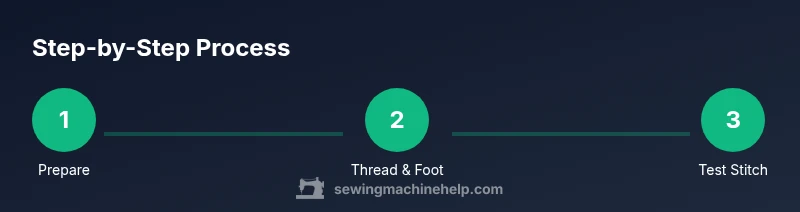
- 1
Prepare your workspace
Clear the bench, secure the machine, and lay out leather pieces. Ensure adequate lighting and a comfortable chair height. This setup reduces mistakes and fatigue.
Tip: Place a scrap piece beneath the project to test feed and tension before stitching actual parts. - 2
Thread and needle selection
Choose a leather needle appropriate for your leather weight. Thread through the needle and bobbin following the path shown in your manual. Test on scrap leather and adjust top tension as needed.
Tip: Use a waxed thread for smoother feeding and better knot security. - 3
Install the walking foot
Mount the walking foot securely and adjust the foot height to clear the leather thickness. AProper alignment prevents slipping and ensures even stitches.
Tip: For multi-layer pieces, slightly increase presser-foot pressure to reduce shifting. - 4
Thread, tension, and stitch length
Set the thread path correctly, balance top and bobbin tension, and choose a longer stitch length for durability. Keep stitches evenly spaced.
Tip: Begin with a conservative stitch length and test on scrap before proceeding. - 5
Test on scrap leather
Stitch on scrap to verify tension, feed, and stitch quality. Adjust as needed to avoid puckering or looping.
Tip: Mark a small sample seam to compare later on your actual project. - 6
Proceed with your project
Now stitch your actual pieces, keeping both hands guiding the leather, and allow the machine to do the heavy work. Finish with backstitch or locking stitch at ends.
Tip: Pause occasionally to realign edges and check seam consistency.
Your Questions Answered
What is a cowboy leather sewing machine and how is it different from a standard sewing machine?
A cowboy leather sewing machine is built for heavier materials like leather, offering a higher torque motor, walking foot, and thicker needles. It handles dense layers with more consistent feeding than typical home machines.
A leather sewing machine is built for thick materials and has a walking foot and stronger motor, making leather projects easier and more durable.
Do I need a special needle for leather?
Yes. Leather needles are designed to pierce tough hides without deflection. Choose size according to leather weight and stitch type. Do not use fabric needles on thick leather.
Yes, leather needles are essential. Pick a size based on the leather weight and stitch you want.
What thread should I use for leather sewing?
Prefer durable, waxed or braided thread designed for leather. Polyester or bonded nylon threads resist abrasion and provide strong seams for belts, wallets, and straps.
Use durable waxed leather thread for strength and smooth feeding.
Can I use a regular home sewing machine for leather?
Lightweight leather and faux leather can be sewn on some robust home machines, but for thicker hides or multiple layers, a dedicated leather machine with walking foot is recommended.
For thick leather, a proper leather machine is usually best.
What stitch length works best for leather?
Leather typically uses longer stitches (around 3.0–4.0 mm) for durability, but test to confirm finish and look on your piece.
Aim for longer stitches for durability, but always test first.
How should I maintain a cowboy leather sewing machine?
Regular cleaning, oiling per manual, and replacing worn parts promptly keep performance steady. Store away from moisture and avoid forcing through heavy layers.
Keep it clean, oiled, and protected from moisture for best results.
Watch Video
The Essentials
- Choose the right leather needle and walking foot.
- Balance tension with test runs on scrap leather.
- Stitch length should suit durability and leather weight.
- Maintain regular cleaning and oiling for longevity.