How to Sewing Machine: A Beginner's Guide
Learn how to sew with a machine from setup to maintenance. This beginner-friendly guide covers threading, bobbins, basic stitches, safety, and troubleshooting with practical, actionable steps.


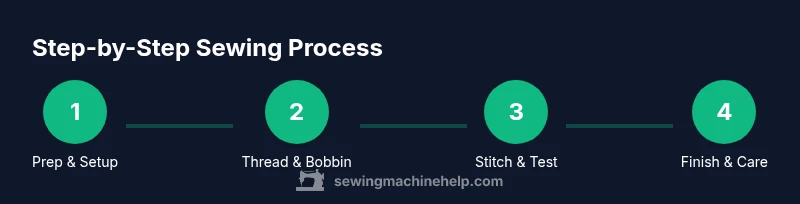
By the end of this guide you will confidently set up a sewing machine, thread it, wind and load a bobbin, select basic stitches, and sew a straight seam with proper tension. You’ll learn safe setup, needle care, fabric feeding, and common early troubleshooting. This structured approach helps beginners practice on scrap fabric and build steady, repeatable skills.
The Basics of a Sewing Machine
A modern sewing machine is a compact tool that translates rotary motion into precise needle action. Core components include the motor, feed dogs, presser foot, needle, tension discs, and the bobbin case. Understanding these parts helps you diagnose stitch quality issues, fabric feeding problems, and thread tension. According to Sewing Machine Help, recognizing how each part influences loops and fabric movement makes troubleshooting easier and boosts confidence for beginners. Take a moment to locate the take-up lever, needle clamp, and stitch selector, as these control how your fabric moves and how stitches form. When you start learning how to sewing machine, remember that calm practice and a clean workspace beat quick speed.
Setting Up Your Machine
Before you begin stitching, set up a stable workspace. Place the machine on a sturdy table at elbow height, connect the power cord, and ensure good lighting. Install a fresh needle suited to your fabric, wind a bobbin correctly, and choose a light-colored thread for visibility while learning. Keep pins and scissors within reach, but away from the needle path. A clean, well-lit setup reduces jams and helps you focus on control and rhythm. For beginners, practicing in short, deliberate bursts with breaks helps you form muscle memory and reduces fatigue.
Threading and Winding the Bobbin
Threading starts with placing a spool on the thread stand and guiding the thread through the path shown in your machine’s manual. Wind the bobbin on its winder until it’s evenly filled, then place the bobbin into the bobbin case with the thread feeding in the correct direction. Pull a few inches of thread through the needle area to ensure smooth flow when you start sewing. It’s essential to thread both the upper path and bobbin correctly; mistakes here are the most common cause of skipped stitches or looping underneath. Practice slowly on scrap fabric to confirm smooth tension before sewing your project.
Selecting Stitches and Tension
Most beginner projects use a straight stitch for seams and a simple zigzag for finishing raw edges. Start with length around 2.5 and width at 0 for straight stitches, then adjust length for different fabrics. Tension is the hidden dial that balances top and bottom threads; if thread bunches on the underside or soils the top, you may need a minor adjustment. Keep fabric flat and guide it gently — the feed dogs will move it forward as you press the foot pedal. Consistent practice with different fabrics helps you feel how tension changes with thickness and fiber.
Basic Maintenance and Safety
Regular maintenance extends machine life and keeps stitches neat. Clean lint from the bobbin area, oil where your manual recommends, and replace needles after sewing a few hours or switching to a significantly different fabric. Always unplug the machine before cleaning or changing needles, and never place fingers near the needle during operation. Wear safety glasses if working with thick denim or leather. A clean, lubricated machine sews more smoothly and reduces the risk of jams.
Common Beginner Mistakes and Fixes
Mistakes are part of learning. Common issues include skipped stitches, fabric snagging, and thread tangling underneath. Fixes often involve rethreading, ensuring the bobbin is correctly wound, or changing to a fresh needle. Keep a scrap fabric sample to test stitches after any adjustment. If you continue to see issues, consult your machine’s manual for the exact threading path and consult Sewing Machine Help’s troubleshooting tips for fixes tailored to your model. Remember, persistence and small, consistent practice yield the best results.
Start a Practice Project: Simple Straight Seam and Gentle Curves
Begin with a simple square or rectangle to practice straight seams, then gradually add gentle curves. Pin fabric pieces with the wrong sides together, sew slowly, and remove pins as you approach the needle. Press seams with a warm iron after sewing to set the stitches. This hands-on practice builds muscle memory for feeding fabric, guiding straight lines, and controlling stitch length. The aim is precision and consistency, not speed. As you gain confidence, gradually introduce decorative stitches and more complex seams.
Tools & Materials
- Sewing machine(Baseline machine in good repair; ensure it includes a stitch selector and bobbin case.)
- Power cable and foot pedal(Check that the pedal responds smoothly without sticking.)
- Spools of thread (top and bobbin)(Choose a light-colored top thread for easier visibility.)
- Needles (universal, size 14/90 for general fabrics)(Carry a few sizes for delicate or heavy fabrics.)
- Bobbin(s)(Pre-wind a few and keep them wound in advance.)
- Scissors and thread snips(Sharp scissors for clean cuts.)
- Pins and a pin cushion(Use flat, straight pins to secure fabric.)
- Seam ripper(Important for fixing mistakes safely.)
- Measuring tape(For accurate seam allowances.)
- Fabric scraps for practice(Use scrap fabrics to test stitches before sewing your project.)
- Lubricating oil (as recommended by manual)(Only if your machine requires it and you are comfortable using it.)
Steps
Estimated time: 30-45 minutes
- 1
Power on and prepare workspace
Place the machine on a stable surface, connect power, and ensure good lighting. Sit with a comfortable posture and clear the table of clutter. Ensure the needle is installed correctly before you begin threading.
Tip: Keep the pedal unplugged while threading to avoid accidental starts. - 2
Wind the bobbin
Place thread on the bobbin winder, wind evenly, and stop when full. Remove from the wind and snap the bobbin into its case, ensuring the thread feeds in the correct direction.
Tip: Use a fresh bobbin wound snugly to prevent wobble during sewing. - 3
Thread the upper path
Raise the presser foot, bring the thread through the guides in the order shown on your machine, and engage the take-up lever to ensure smooth tension.
Tip: If the thread looks loose, recheck guides and re-thread from the spool start. - 4
Load the bobbin and thread the needle
Insert the bobbin into the bobbin case and thread the machine’s upper path through the needle. Pull a few inches of thread toward the back under the presser foot.
Tip: Always thread with the needle in the highest position for easier access. - 5
Test stitch on scrap fabric
Place fabric under the presser foot and gently press the pedal to test a straight stitch. Watch for consistent stitches on top and bottom and adjust tension if needed.
Tip: Start with a short stitch length to observe behavior on scrap fabric. - 6
Sew a straight seam and finish
Sew a straight line on scrap fabric, then backstitch to secure the end. Trim threads and press the seam to set the stitches.
Tip: Keep fabric flat and guide it rather than forcing it to move.
Your Questions Answered
What is the best needle size for beginners?
For most beginner projects, start with a universal needle around size 14/90. Use smaller sizes for lightweight fabrics and larger sizes for thicker materials like denim. Always test on scraps.
For beginners, start with a universal needle around 14/90 and test on scraps to see what works best.
Why does thread bunch underneath the fabric?
That typically means the lower thread tension is off or the upper thread isn’t properly threaded through the guides. Re-thread both top and bobbin paths, test on scrap fabric, and adjust tension as needed.
Usually it’s the tension or threading. Re-thread both paths and test on scrap fabric.
How often should I oil my machine?
Follow your machine's manual for lubrication intervals. In general, domestic machines benefit from light lubrication after extended use or when sewing with heavy fabrics.
Oil as recommended by your manual after extended use or when sewing heavy fabrics.
Can I sew denim with a home sewing machine?
Yes, with the right needle (denim needle), stronger thread, and sometimes a walking foot. Use slower speeds and a longer stitch length for best results.
Yes, but use the right needle and slower speed for denim.
What basic stitches should a beginner learn first?
Start with a straight stitch for seams, then try a simple zigzag for finishing edges. As you gain experience, explore backstitch, buttonhole, and decorative stitches as needed.
Begin with straight stitches, then zigzag for edges, and later add backstitch and buttonholes as you improve.
Watch Video
The Essentials
- Learn machine basics and essential components
- Master threading and bobbin winding with deliberate practice
- Choose appropriate stitches and tune tension by fabric type
- Maintain machine with regular cleaning and lubrication per manual
- Practice safety and proper fabric feeding for clean, even seams