How to Use a Handheld Sewing Machine: A Practical Guide
Learn how to use a handheld sewing machine for quick repairs, hems, and light projects. This step-by-step guide covers setup, threading, operation, and care for beginners, with safety tips and practical tips for on-the-go sewing.


With a handheld sewing machine, you can perform quick repairs, hems, and seam fixes on lightweight fabrics. This guide covers setup, threading, operating basics, and safe handling to help beginners sew confidently. By the end you'll thread, stitch, and finish projects in minutes. No prior experience required—follow the steps and you'll gain practical skills fast.
Why handheld sewing machines are great for quick repairs
According to Sewing Machine Help, handheld sewing machines are compact and portable tools designed for quick repairs on lightweight fabrics. They excel at hems, patches, and on-the-go fixes where a full-size machine isn't convenient. In this guide, home sewists and beginners will learn how to safely set up, thread, and operate a handheld device, plus tips for troubleshooting and care. With proper setup, you can mend torn pockets, hems, and seams in minutes, saving trips to the repair shop. This flexibility makes handheld models ideal for travel sewing, quick alterations, and classroom practice where space is limited. Throughout this article, you’ll find practical steps you can apply immediately on many light fabrics, from denim patches to silk hems.
What tasks are best suited for handheld machines
Handheld sewing machines shine for light to medium fabrics and quick repairs. They are ideal for repairing hems on curtains while still on the rod, fixing a torn seam in a jacket sleeve, or sewing a temporary seam in travel clothing. They are not designed for heavy fabrics like thick denim or leather, which require a full-size machine and stronger motor. Use handhelds for patching, quick alterations, and practice projects. For best results, keep fabric movement steady and avoid forcing the needle. Remember, practice on scrap fabric to build confidence before touching your project.
Safety first: setup, power, and workspace
Working with any sewing tool requires a tidy, stable workspace. Ensure your handheld machine is powered off before loading batteries or connecting to a charger. Place the device on a flat surface, away from edges, with the fabric held taut but not stretched. Keep fingers clear of the needle path and never attempt to sew through metal objects or pins in the fabric. If your model uses a blade or cutting feature, turn it off when not actively trimming. Regularly check for loose screws and ensure the needle is properly installed to prevent breakage. This section emphasizes safe handling to minimize accidents and protect your materials.
Threading, bobbins, and needles: a practical primer
Threading a handheld machine can be quicker than a full-size model, but it still requires careful path following. Load the upper thread by guiding it through the thread guides toward the needle, ensuring it sits in the tension discs. For the bobbin, wind a new bobbin evenly and load it into the bobbin case if your model uses one. Select a needle appropriate for the fabric you’re sewing; light fabrics need finer needles, while thicker fabrics require sturdier needles. Always test stitches on a scrap swatch to confirm correct tension and stitch formation before sewing on your actual project.
Step-by-step operating overview
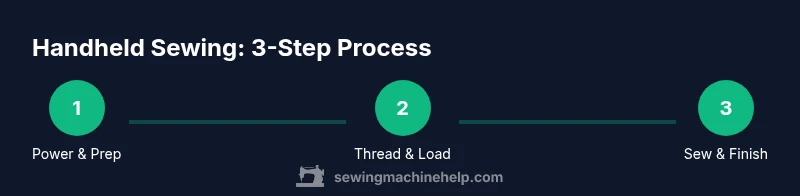
This section provides a high-level overview to complement the detailed, step-by-step instructions that follow. Begin by powering the device and preparing your fabric on a stable surface. Thread both the upper thread and bobbin, then thread the needle. Test on scrap fabric to dial in tension, needle size, and stitch type. Start sewing with slow, steady movements, guiding the fabric evenly without forcing the machine. Stop when you reach the end of the seam, trim threads, and power down. Practicing these fundamentals will build confidence for lightweight projects such as hems, patches, and quick repairs.
Troubleshooting common issues
If the thread keeps bunching, check that the upper thread and bobbin are correctly threaded, the needle is sharp and properly installed, and the fabric weight matches the needle size. Tangling often happens when the path around the tension discs is misaligned or the bobbin is improperly seated. If the machine stalls or skips stitches, reduce fabric resistance by guiding gently and allowing the machine to feed the fabric rather than forcing it. Noise, excessive vibration, or unusual smells can indicate a loose screw, a bent needle, or motor strain—pause sewing and inspect the device before continuing.
Maintenance and care for longevity
To keep your handheld sewing machine reliable, clean lint and thread fragments from the needle area after use. Lightly oil moving parts if your model’s manual recommends it, and replace the needle promptly if it shows any dullness or bending. Store the device in a dry place, away from extreme temperatures, and check the battery or power source for corrosion or wear. Regular calibration checks help maintain stitch quality over time. Proper storage and routine cleaning extend the life of the device and reduce the likelihood of jams during a project.
Accessories and upgrades that help
Choose accessories that complement light sewing tasks, such as extra small needles, spare bobbins, and compatible threads in multiple colors. A compact needle threader can reduce frustration when threading by hand, especially on models with tight clearances. Consider a small, lightweight cutting guide or seam tape for quick hems on garments or curtains. Using the right foot attachments can expand capabilities, although handheld units typically rely on basic functionality. Always verify compatibility with your specific model before purchasing accessories.
Quick safety reminders and a practice plan
Always unplug or remove the battery when changing needles or threading to prevent accidental starts. Begin with a simple practice plan: 15 minutes of basic stitching on scrap fabric, then 15 minutes on a small repair project. Track your progress by noting stitch quality, fabric type, and needle size used. The Sewing Machine Help team recommends dedicating a short daily practice window to build muscle memory and confidence. End each session by cleaning the area and turning off the device properly.
Tools & Materials
- Handheld sewing machine(Ensure it comes with a power source (batteries or charger) and basic manual)
- Spare needles(Choose needle size appropriate for fabric type (e.g., finer needles for knits))
- Polyester sewing thread(Color matched to project; have a few basic colors on hand)
- Bobbin(s)(Pre-wound bobbins are convenient; ensure they fit your model)
- Scrap fabric for testing(Use fabric similar in weight to your project)
- Scissors(Small, sharp scissors for trimming threads)
- Tweezers or awl(Helpful for guiding thread through tight paths)
- Fabric marker or chalk(Mark seam allowances or test stitches)
- Tiny screwdriver(For needle changes or adjustments)
- Cleaning brush or compressed air(Clean lint and thread bits after use)
Steps
Estimated time: 20-30 minutes
- 1
Power on and prepare
Insert batteries or connect to a charger. Place fabric on a stable, flat surface and inspect the needle to ensure it is straight and not bent. Verify the device is off before any threading or loading steps.
Tip: Keep the machine on a stable work surface to avoid slips. - 2
Thread the upper path
Open the thread path and guide the thread through the guides toward the needle, ensuring it sits correctly in the tension discs. Pull some thread to check that the path is clear and the thread moves freely.
Tip: If the thread tightens or breaks, re-check the guides and tension. - 3
Wind and load the bobbin
Wind a fresh bobbin evenly and insert it into the bobbin case as specified by your model. Ensure the bobbin rotates in the correct direction and that the thread feeds smoothly.
Tip: Test the bobbin thread tension on scrap fabric before sewing. - 4
Thread the needle
Thread the needle from front to back as directed by the manual. Leave a short tail to help capture the stitches when you start.
Tip: Use a needle threader if your model makes manual threading difficult. - 5
Test stitch on scrap fabric
Power on and run a few stitches on scrap fabric to verify tension and stitch formation. Adjust as needed for even stitches and consistent feed.
Tip: If loops form underneath, recheck top tension and bobbin placement. - 6
Begin sewing a seam
Position the fabric and gently guide it with your hands to maintain a straight line. Keep a light touch and avoid pulling. Stop with a secure backstitch or knot when done.
Tip: Let the machine feed the fabric; do not push hard. - 7
Finish and trim
Cut loose threads and test for any required seam finishing. If needed, press seams lightly to set them in place without distorting the fabric.
Tip: Trim tails close to the fabric to avoid snagging. - 8
Power down and clean
Turn off the machine and remove the power source. Use a brush to remove lint from the needle area and store the machine in a dry place.
Tip: Wipe down the surface to remove dust before storage.
Your Questions Answered
Can I sew denim or heavy fabrics with a handheld sewing machine?
Handheld sewing machines are best for light to medium fabrics. For denim or thick leather, a full-size machine with a strong motor yields better results.
Handhelds are great for light fabrics. For heavy materials like denim, use a regular sewing machine for reliable results.
What needle size should I use?
Choose a needle size appropriate for the fabric you’re sewing. Lighter fabrics use finer needles, thicker fabrics require sturdier needles. Check your model’s manual for exact recommendations.
Pick a needle that matches your fabric, and replace it if it gets dull.
Do handheld machines require batteries or can they run on a cord?
Most handheld machines can run on batteries or a small power supply. Check your model to confirm compatible power sources and ensure you have fresh batteries or a working charger.
Yes, you usually have battery or cord options; just confirm with your model’s manual.
How long can I sew continuously with a handheld unit?
Battery life and motor duty vary by model. Expect to take short breaks for longer projects and test runs to avoid overheating.
It varies by model; plan brief rest breaks for longer sewing sessions.
Is a handheld sewing machine beginner-friendly?
Yes, with basic precautions. Start on scrap fabric, follow the manual, and avoid pushing the fabric too hard. Safety should always come first.
Absolutely—just take it slow and practice on scraps first.
Why does thread bunching happen and how do I fix it?
Bunching usually results from incorrect threading, tension, or a dull needle. Re-thread, recheck the tension, and ensure the needle is properly installed.
Thread problems are usually about threading and tension—recheck both.
Watch Video
The Essentials
- Practice on scraps to build confidence with a handheld unit.
- Thread path and tension are critical for stitch quality.
- Use the right needle size for the fabric and avoid forcing the fabric.
- Maintain the device with regular cleaning and safe storage.