Machine Silai Machine: A Practical Guide for Home Sewists
Discover how to choose, setup, maintain, and use a machine silai machine for home sewing. Practical, beginner-friendly steps, safety tips, and a simple project plan to build confidence.


With a machine silai machine, home sewists can confidently tackle straight seams, hems, and simple repairs. Start with a beginner-friendly model, fresh needles, spools of thread, bobbins, fabric, and a stable work surface. This guide walks you through setup, threading, selecting stitches, and completing a basic project so you can sew with accuracy and safety from day one.
What is a machine silai machine?
A machine silai machine is a powered device that threads fabric pieces together using a needle and bobbin. For home sewists, it replaces manual stitches with consistent, reusable stitches, improving speed and accuracy. In everyday language, a sewing machine helps you sew hems, seams, buttonholes, and decorative stitches with less effort than hand sewing. The Sewing Machine Help team emphasizes that choosing the right machine silai machine matters: a well-suited model becomes a reliable partner for a wide range of projects, from repairs to small garments. The first step is understanding what you need: a beginner-friendly machine with straightforward threading, a few basic stitches, and dependable durability. As you gain experience, you can explore additional features like adjustable stitch length, reverse stitching, and automatic needle threaders. Remember that the goal is consistent results and a comfortable workflow, not an overwhelming array of features. According to Sewing Machine Help, starting with the basics sets you up for long-term success.
History and evolution of sewing machines
Sewing machines began as hand-cranked devices and evolved rapidly during the 19th and 20th centuries. Early models focused on basic locking stitches, while later generations introduced automatic bobbins, variable stitch widths, and feed mechanisms that improved efficiency. The shift from purely mechanical systems to electronic and computerized designs broadened the range of stitches and capabilities. For home sewists, these advancements translate into more reliable seams, better fabric handling, and fewer fatigue-related errors. The modern machine silai machine is designed to be approachable, affordable, and adaptable to a wide range of fabrics, from lightweight cotton to denim. By understanding the evolution, beginners can appreciate why today’s machines emphasize ease-of-use, safety features, and consistent performance, as highlighted in Sewing Machine Help's guidance.
How a sewing machine works: basic mechanics
At its core, a sewing machine coordinates a needle moving up and down with a bobbin delivering the lower thread. The take-up lever controls thread tension, while the presser foot holds fabric steady as feed dogs grip and advance the fabric. When the needle penetrates fabric, the upper thread loops with the bobbin thread to form a stitch. Modern machines add additional components like a threading path, bobbin winding mechanism, and, in many cases, servo motors for smoother operation. Understanding these basics helps you diagnose misfeeds, thread nests, and tension issues more quickly, reducing frustration during practice. The goal is a smooth, even stitch line with consistent fabric movement, which comes from balanced tension and proper needle choice.
Types of sewing machines
Sewing machines fall into several broad categories, each with strengths for different projects. Mechanical machines rely on manual dials and levers and are often durable and affordable for beginners. Electronic machines add power and programmable stitches, offering easier control and better lighting. Computerized models extend that with built-in memory for patterns and automatic threading options. Serger/overlock machines trim fabric edges and finish seams in one pass, ideal for professional finishes but not always necessary for beginners. For most home sewists starting out, a reliable mechanical or entry-level computerized machine provides the best balance of simplicity, reliability, and affordability. Remember to choose a model with a friendly threading path and a capable but not overwhelming stitch library.
Features to look for in a beginner machine
When selecting a machine silai machine for beginners, prioritize user-friendly features: a straightforward threading path, easy needle changes, clear lighting, and a small learning curve for basic stitches. Look for a few essential stitches (straight, zigzag, backstitch, and a simple buttonhole) plus adjustable stitch length. A built-in needle threader, free-arm versatility for cuffs and sleeves, and a reliable reverse stitch function save time and reduce frustration. A sturdy table, balanced foot pedal, and portable weight help maintain control during practice. Finally, ensure your choice includes basic maintenance guidance in the manual, since routine care extends the machine’s life. For home sewists, simplicity often yields the best long-term results.
How to set up your machine for the first use
Before first use, remove packaging and read the manual to understand safety and setup. Place the machine on a sturdy surface with good lighting, attach the foot pedal, and ensure the power switch is off. Install a fresh needle appropriate for your fabric, insert a bobbin, wind the bobbin correctly, and thread the machine following the path shown in the manual. Install any presser feet needed for your first project, then do a test run on scrap fabric to confirm tension and stitch quality. This initial setup reduces the risk of skipped stitches, thread nests, and jams and is essential for a smooth start.
Threading basics and bobbin winding
Threading a machine silai machine correctly is crucial for strong stitches. Start by winding a bobbin evenly with the correct thread tension, then place it in the bobbin case. Thread the upper path from spool to needle, following the machine’s threading guides. Raise the needle to the highest position to ensure proper take-up health and prevent thread jams. Finally, thread the needle using the built-in threader if available—or carefully thread manually. Practice on a scrap piece to confirm the stitches form neatly, with no looped threads underneath.
Basic stitches and their uses
The straight stitch is the workhorse for most seams and topstitching. The zigzag stitch finishes raw edges and can be used for light applique or stretch fabrics. A backstitch provides secure starts and finishes for seams that will bear stress. A simple blind hem stitch offers an invisible finish for hems on woven fabrics. Buttonhole stitches allow you to create functional closures. Understanding these basics gives you confidence to complete common projects like pillowcases, skirts, and simple garments.
Maintenance and care routine
Regular maintenance extends life and performance. Clean lint from under the needle plate after each project and check for loose screws or worn feet. If your machine requires oiling, use only the type and amount specified in the manual and avoid over-oiling. Replace needles frequently—after every few projects or when you notice skipped stitches. Store the machine in a dry, dust-free area with the pedal covered. Following a consistent care routine keeps your machine silai machine running smoothly for years.
Troubleshooting common problems
Common issues include thread breaks, bird-nesting, and inconsistent stitches. If the top thread breaks, rethread the machine and check for tangled thread on the spool. If the thread nests under the fabric, verify correct bobbin insertion, tension, and needle size. Skip-stitches often mean the needle is bent or dull; replace it. A jammed machine usually has lint or fabric caught under the feed dogs—power off and carefully remove the obstruction. When in doubt, consult the manual and recheck the threading path.
Safety and best practices
Always unplug the machine before changing needles, presser feet, or cleaning. Keep fingers away from the needle area during operation and use a slow, controlled pressing foot. Wear safety glasses when cutting threads or handling sharp tools. Use a dedicated sewing area with good lighting and a waste bin for fabric scraps. Children should be supervised to prevent accidents with moving parts or hot surfaces. Following these safety guidelines protects you and others while using a machine silai machine.
Getting started with a simple project plan
Choose a beginner-friendly project that uses straight seams and minimal fabric handling, such as a pillow cover or tote bag. Gather fabric, matching thread, and a simple pattern. Cut fabric carefully, label pieces, and baste if needed. Practice sewing a few straight seams to calibrate tension and speed, then assemble the project with careful seam allowances. Completing a small, tangible project builds confidence and reinforces safe, consistent technique. This approach aligns with recommendations from the Sewing Machine Help team and helps you build a solid foundation.
Authority sources
- https://www.osha.gov – Safety practices for operating machinery and workshop safety guidelines.
- https://www.threadsmagazine.com – Practical guidance on sewing techniques and project finishing.
- https://www.consumerreports.org – Product guidance and safety considerations for consumer sewing machines.
Getting help and staying motivated
If you feel stuck, revisit the basics: thread path, needle choice, and fabric compatibility. Practice a few minutes each day, maintain a simple care routine, and gradually increase project difficulty. Regular practice, coupled with the right machine silai machine, will yield steady progress over weeks and months. Remember that Sewing Machine Help is here to support your learning journey.
Tools & Materials
- Sewing machine(Ensure it is on a sturdy table with adequate lighting)
- Power cord and foot pedal(Check for frays; ensure cord length fits workspace)
- Bobbin(s)(Winds correctly and matches thread type)
- Spare needles (various sizes)(Use appropriate needle for fabric)
- Spool of all-purpose thread(Choose colors matching fabric)
- Fabric scissors(Sharp and dedicated to fabric cutting)
- Pins and pincushion(Fine pins for precision holding)
- Measuring tape(Metric or imperial, whichever you prefer)
- Fabric markers or chalk(For marking hems and patterns)
- Sewing project fabric(Choose beginner-friendly fabrics like cotton)
- Seam ripper(Useful for quick corrections)
- Manual or quick-start guide(Keep nearby for reference)
- Sewing machine oil (if applicable)(Only use if your model requires it)
Steps
Estimated time: 30-45 minutes
- 1
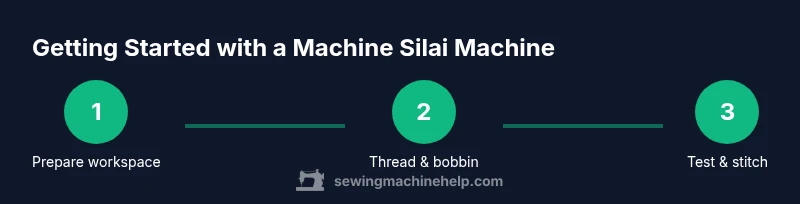
Prepare workspace
Clear a clean area and set up a sturdy table with good lighting. Place fabric and tools within easy reach. This reduces distractions and helps you stay focused during setup.
Tip: Keep a scrap piece nearby to test stitches. - 2
Wind the bobbin
Place the spool on the thread stand and follow the machine’s bobbin winding path. Wind evenly and stop when full to avoid overfilling, which can lead to jamming.
Tip: Use the bobbin winding foot if available. - 3
Thread the top path
Follow the thread guides from spool to needle. Ensure the thread sits properly in tension discs, and avoid twisting threads.
Tip: Raise the take-up lever to its highest position before threading. - 4
Thread the needle
Thread the needle tip using the built-in threader if your model has one, or manually thread until the thread exits cleanly.
Tip: Use a sharp new needle appropriate for your fabric. - 5
Load bobbin into shuttle
Place the bobbin in the shuttle with the thread winding counterclockwise and bring the thread up through the slot.
Tip: Ensure bobbin is turning clockwise when pulled. - 6
Thread the bobbin case
Insert the bobbin case and align the thread path with the take-up lever. Close the cover securely.
Tip: Double-check that the case is seated properly to prevent nests. - 7
Position fabric under presser foot
Place fabric under the presser foot, aligning the edge with a guide, and lower the presser foot to hold the fabric firmly.
Tip: Use pins for tricky edges unless your machine has a walking foot. - 8
Choose stitch settings
Set a straight stitch with medium length (around 2.5 mm) for a sample seam. Select reverse stitch if starting or finishing a seam.
Tip: Start slow and gradually increase speed as you become confident. - 9
Sew a test seam
Run a short stitch on scrap fabric to check tension and stitch quality. Adjust tension if the thread shows on the fabric or if loops appear beneath.
Tip: Keep hands clear of the needle and use scrap fabric first. - 10
Finish and cut
Backstitch at the end to secure and trim thread tails. Remove fabric, then re-check seam alignment.
Tip: Press the seam with an iron after finishing for a cleaner look.
Your Questions Answered
What is a machine silai machine and why should beginners use one?
A machine silai machine is a powered device that stitches fabric using a needle and bobbin. For beginners, it delivers consistent seams, faster results, and a gentler learning curve compared with hand sewing. Start with basic features and grow your toolkit over time.
A sewing machine is a powered tool that stitches fabric fast and consistently, great for beginners who want reliable seams.
What features should a beginner look for in a sewing machine?
Look for easy threading, a handful of essential stitches (straight, zigzag, backstitch, simple buttonhole), good lighting, a reverse stitch, and a comfortable presser foot. Portability and a clear manual also help new users build confidence.
For beginners, prioritize simple threading, a few basic stitches, and good lighting.
Do I need a serger after a standard sewing machine?
A serger provides finished edges quickly, but it's not required for most home projects. Start with a standard machine to learn stitches, then consider a serger if you often work with knit fabrics or finish many edges.
A serger is helpful but not essential for beginners.
How often should I service or oil my machine?
Follow the manufacturer’s guidance, typically after every few dozen hours of use or once a month for light home use. Clean lint regularly and oil only where specified.
Check your manual for oiling intervals and keep the machine clean.
What if the thread keeps breaking during sewing?
Recheck top thread path, needle size, and fabric compatibility. Ensure the needle isn’t bent, the bobbin is wound correctly, and the thread is appropriate for the fabric.
Thread breaks usually mean threading, needle size, or fabric fit issues.
Is it okay to buy the cheapest machine for a beginner?
Low-cost machines can be fine for learning, but prioritize reliability, available support, and a short learning curve. A mid-range model often provides the best balance of features and durability for beginners.
You don’t need the top model; a reliable mid-range machine works well for learning.
Watch Video
The Essentials
- Choose a beginner-friendly machine silai machine.
- Master threading and bobbin winding before sewing fabric.
- Practice straight seams on scraps to build confidence.