Small Silai Machine: A Practical Guide for Home Sewers
Learn how to choose, set up, and maintain a small silai machine for home sewing. This guide covers features, space planning, beginner-friendly steps, and care tips for durable, smooth stitching.


With this guide, you will learn how to select a compact small silai machine for home use, set it up safely, and master essential stitches for everyday sewing. You’ll compare features like weight, motor type, and available stitch programs, understand space and power needs, and perform basic maintenance to keep your machine running smoothly.
Why a small silai machine fits home sewers
For home sewists, a small silai machine offers portability without sacrificing essential power. It fits neatly on a kitchen table, a crafting desk, or a small cabinet, yet it can handle everyday tasks such as hemming, mending, and light garment alterations. The compact design means less clutter and easier storage after you finish a project. When space is limited, a smaller footprint becomes a real advantage, allowing you to keep a range of supplies close at hand. In practice, beginners often find that a lighter machine with a simplified interface reduces setup time, increases practice frequency, and lowers frustration during first attempts. According to Sewing Machine Help, choosing a compact model should prioritize ease of use, sturdy construction, and reliable support materials, not just a bargain price. Think about the kinds of projects you’ll tackle most—alterations, home décor accents, or simple clothing repairs—and pick a model whose stitch options and presser-foot compatibility align with those tasks. With the right small silai machine, you’ll build confidence and consistency faster than with a bulky, feature-overloaded unit.
Features that truly matter when space is limited
Space-efficient models should offer a balance of core stitches, reliable needle threading, and clear controls. Look for a compact machine with a sturdy frame, a free arm for sleeve and seam work, and a reversible stitch option for quick repairs. Built-in light helps when you’re working on dark fabrics, and a simple bobbin winding can save time during project changes. The right balance of weight and power means you can carry out basic mending and light garment alterations without fatigue. While price matters, prioritize models that feel solid in hand and offer easy access to commonly used parts. If you are a beginner, prioritize friendly manuals and a generous warranty as part of the buying decision. In our experience, the best small silai machine models blend simplicity with reliable performance, making practice enjoyable and productive.
Space planning helps you pick the right footprint
Assess your work area before buying. Measure the available table depth, width, and clearance for fabric handling. Consider whether you need a detachable accessory tray or a fold-down table edge to free space for bigger projects. A compact footprint should still provide a comfortable throat space for typical hems and seams. If you sew in a shared area, consider a model with a quiet operation profile and a tidy cord management solution. The goal is to keep your workflow smooth and to minimize disruptions when you switch between different fabrics and stitch tasks.
Mechanical vs electronic drives: what beginners should know
A mechanical drive offers straightforward operation and fewer parts to service, which some beginners prefer for its predictability. An electronic drive can provide automatic needle threading and stitch selection, which saves time but adds some complexity. For a first machine, a reliable mechanical model with a few built-in stitches and adjustable stitch length often delivers consistent results and fewer frustrations. If you anticipate needing decorative stitches or more automation, a basic electronic model can be a good upgrade later on. Regardless of drive type, check for a smooth take-up lever and stable feed dogs to ensure steady fabric movement during sewing.
First steps: unboxing, threading, and testing stitches
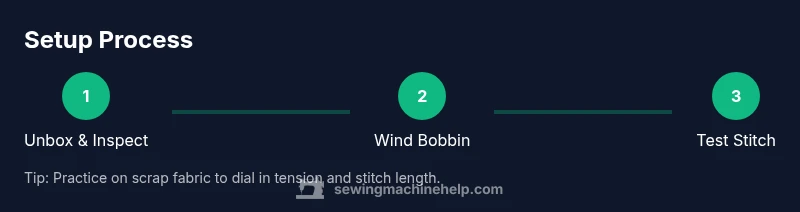
When you first unbox a small silai machine, inspect all parts for damage and confirm you have the standard feet and accessories. Follow the threading path in the manual, then wind a bobbin and insert it correctly. Perform a test stitch on a scrap fabric to verify straight stitches, zigzag options, and tension feel. If the stitch looks uneven, adjust the tension and re-test. A calm, methodical approach helps you learn faster and reduces waste fabric. Over time, you’ll become proficient at switching between stitches and fabrics with confidence.
Basic care: cleaning, oiling, and storage
Regular maintenance keeps a small silai machine running smoothly. Wipe away lint from the bobbin area and feed dogs after every few projects. Lightly oil moving parts following the manufacturer’s guidance, usually after cleaning or long storage. Use a soft cloth to wipe surfaces and avoid over-oiling, which can attract more lint. Store the machine in a dry place with the power cord coiled neatly to prevent kinks. Consistent care reduces jams and extends the life of your unit.
Safety notes: powering, wiring, and child safety
Always unplug the machine before servicing or changing needles. Use a properly grounded outlet and avoid extension cords that can overheat. Keep fingers away from the needle when the machine is running and never leave a powered machine unattended around children or pets. Use a sturdy table and ensure the area around the sewing space is clear of clutter. Following these safety steps protects you and minimizes accidental damage to the machine.
Where to buy and how to compare prices
When shopping for a small silai machine, compare models from reputable brands and look for pre- and post-purchase support. While price is important, focus on the combination of features, compatibility with common presser feet, and available needles. Check for reliable customer service, user-friendly manuals, and access to replacement parts. We recommend seeking out seller reviews and warranty terms to ensure long-term value. Remember, a modestly priced machine with strong support is usually a better long-term choice than a feature-heavy unit with limited service.
Tools & Materials
- Sewing machine oil(Lubricate moving parts per manufacturer guidelines)
- Screwdriver set (Phillips & flathead)(For accessory changes and maintenance)
- Soft lint-free cloth(Wipe lint, dust, and oil residue)
- Small brush or lint brush(Clean lint from bobbin area and feed dogs)
- Spare needles (size 70/10 and 80/12)(Different fabrics require different needle sizes)
- Extra bobbins(Use compatible bobbin type for your machine)
- Measuring tape(For fabric layout and workspace planning)
- Pins and pincushion(Hold fabric pieces while aligning seams)
- Assortment of threads (various weights)(Start with common weights like 50/60 and 40)
- Power cord and foot pedal(Check for intact insulation and proper length)
Steps
Estimated time: 60-90 minutes
- 1
Unbox and inspect
Open the box and verify all parts are present. Check for any transit damage and ensure the power cord is intact. This prevents surprises mid-project and keeps you safe from broken components.
Tip: Take photos of any missing or damaged parts before contacting support. - 2
Set up a stable workspace
Place the machine on a sturdy table with adequate lighting. Ensure there is space for fabric to feed and for you to access the thread path. A non-slip mat helps keep the machine in place while you sew.
Tip: Use a dedicated sewing mat to reduce wobble. - 3
Install the needle correctly
Turn off the machine and raise the needle to its highest position. Insert a new needle with the flat side facing the correct direction. Secure it firmly with the needle screw.
Tip: Use a fresh needle for every new fabric type. - 4
Wind and insert the bobbin
Wind the bobbin evenly and avoid over-winding. Place it in the bobbin case according to the guide path. Pull a thread tail to ensure smooth take-up.
Tip: Leave a short tail to prevent snagging. - 5
Thread the machine and needle
Follow the machine’s threading path from spool to needle, ensuring each guide is in place. Thread the needle last and pull the thread to ensure proper tension.
Tip: If the machine has a drop-in bobbin, ensure the thread unwinds in the correct direction. - 6
Test the stitches on scrap fabric
Power on and select a basic stitch. Sew on scrap fabric to check tension and stitch quality. Adjust tension or stitch length as needed.
Tip: Test on similar fabric to your intended project. - 7
Adjust tension and stitch length
If stitches loop or pucker, adjust the upper thread tension and stitch length. Do small increments and re-test on scrap fabric.
Tip: Keep notes of your settings for common fabrics. - 8
Practice with different fabrics
Try light, medium, and heavyweight fabrics to understand how the machine handles each. This helps you anticipate issues before sewing a real project.
Tip: Use scrap pieces to build confidence. - 9
Power down and clean up
Turn off the machine, unplug, and remove fabric. Clean lint from the bobbin area and wipe surfaces. Store parts in a labeled box for easy future use.
Tip: Develop a quick post-sewing cleanup routine.
Your Questions Answered
What is a small silai machine?
A small silai machine is a compact sewing machine designed for home use. It typically offers essential stitches, simple threading, and a portable form factor suitable for repairs, hemming, and light garment construction.
A compact sewing machine for home use, ideal for beginners and small projects.
Which features matter most in a compact sewing machine?
Important features include a sturdy frame, a few reliable stitch options, easy threading, good lighting, and a reversible feed or simple tension control. These make learning easier and ensure consistent results on common fabrics.
Look for a sturdy build, simple threading, and essential stitches.
How do I thread the machine correctly?
Follow the manual’s threading path from the spool to the needle, ensuring each guide sits snugly. Use the correct needle size for the fabric and test on waste fabric to confirm tension before starting a project.
Thread according to the path in your manual and test on scrap fabric.
Is a small silai machine suitable for beginners?
Yes. A small silai machine offers a gentle learning curve with fewer settings to manage. Start with straight and zigzag stitches, then gradually expand to more options as your confidence grows.
Perfect for beginners; start simple and build up.
What maintenance steps are essential?
Regular cleaning of lint, periodic oiling of moving parts, and timely needle replacement are key maintenance steps. Store in a dry place and check the power cord for wear.
Keep it clean, oiled, and stored properly.
Where can I buy a small silai machine?
You can purchase from reputable sewing retailers or online marketplaces. Compare models based on features, warranty, and customer reviews to ensure value and support.
Shop reputable sellers and compare features and warranties.
Watch Video
The Essentials
- Choose a compact model with essential features for beginners.
- Space planning helps you select the right footprint.
- Threading and bobbin setup are the most common early hurdles.
- Regular cleaning and oiling extend machine life.