Sewing Machine for Upcycling Clothes: A Practical Guide
Learn to upcycle clothing with a sewing machine. This guide covers tools, stitch choices, fabrics, project ideas, and safety tips to extend your wardrobe and save money in 2026.


With a standard home sewing machine, upcycling clothes is achievable through planning, sturdy stitches, and the right feet. Start with fabric prep and seam finishing to extend wear, then use patches, panels, and clever seamwork to refashion garments. This guide covers tools, stitches, project ideas, and practical tips for turning old clothes into new favorites. Click through for the full step-by-step.
The upcycling mindset: how a sewing machine extends wardrobe life
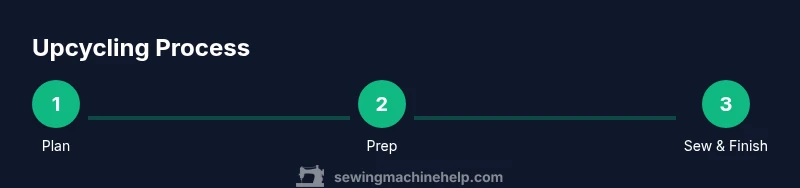
Upcycling clothes is about turning what you already own into something usable and stylish again. It’s environmentally responsible, budget-friendly, and surprisingly achievable for home sewists. According to Sewing Machine Help, a standard domestic machine is capable of handling most upcycling tasks when you choose appropriate stitches, fabrics, and finishing techniques. Start with small, clear goals—like transforming an old shirt into a tote or patching a worn knee on jeans—and gradually tackle more complex reconstructions. The goal is to extend the life of garments, reduce waste, and practice practical sewing skills that build confidence over time. The approach is iterative: plan, test on scrap fabric, sew, adjust, and finish. As you gain experience, you’ll recognize which stitches and feet best suit the fabric and project at hand. The key is to keep projects manageable and to document your process so you can repeat successful results. This mindset keeps your wardrobe fresh while honoring the clothes you already own.
Essential features for upcycling clothes
When selecting or using a sewing machine for upcycling, prioritize features that help you work with a variety of fabrics and project types. A reliable domestic machine should offer a range of stitches (straight, zigzag, stretch), adjustable stitch length, and adjustable presser foot pressure, so you can tailor tension to different fabrics. A free-arm is valuable for sleeves and hems, while a good feed system (ideally with a walking foot) helps manage slippery materials like satin, vinyl, or leather patches. A robust bobbin system and easy threading path save time and frustration. For upcycling, it’s also helpful to have a knee lift or quick-access presser foot lever, so you can adjust without interrupting your workflow. In short, look for versatility, reliability, and ease of use. This aligns with Sewing Machine Help’s guidance: choose a machine you can grow with, not just a model you like today.
Fabric types and stitch choices for upcycling
Upcycling spans a range of fabrics—from sturdy denims to delicate chiffons. For wovens (cotton, denim), use a regular straight stitch for seams with a reinforcing backstitch at ends. For knits (jersey, ponte), switch to a stretch stitch or a wide zigzag to allow fabric give and prevent puckering. Heavier fabrics like denim often benefit from a denim needle and a walking foot to maintain even feeding. For patching and decorative work, a small satin stitch or zigzag edge finish prevents fraying. Always test stitch on scrap fabric first and adjust tension as needed. When finishing raw edges, consider using serger-like overcasting on the home machine or a narrow zigzag for durability. The right needle type—universal for woven fabrics, ballpoint for knits, denim needle for heavy fabrics—will dramatically improve results and reduce skipped stitches.
Practical project ideas and planning
Planning is the secret to successful upcycling projects. Start with a simple goal, such as turning an old shirt into a tote bag or adding a contrasting panel to a pair of jeans. Break the project into steps: measure, cut, sew, and finish. Draft a quick pattern on paper or using existing garment pieces as templates, then cut fabric accordingly. For patches, choose fabrics that complement the original garment and use interfacing as needed to stabilize patches. Consider fixture details like pockets, straps, or cuffs that can be repurposed rather than discarded. Document your measurements and stitch choices so you can reproduce or improve the design later. With careful planning and the right techniques, even worn-out garments can be transformed into functional, stylish items.
Maintenance and safety tips for upcycling
Safety first: always unplug the machine when changing needles or threading, and keep fingers clear of the needle. Regular cleaning reduces lint buildup around the bobbin case and feed dogs, which improves stitching consistency. Use the correct needle for your fabric and replace it if it becomes dull or bent. Oil or lubricant should be applied only if your machine’s manual recommends it, and never over-oil. Store scissors, pins, and cutting tools in a safe pencil case or pincushion to prevent accidents. Maintain tension by testing stitches on scrap fabric before starting a project, and adjust bobbin winding if thread feeds oddly. Practically, set aside a dedicated space for upcycling tasks to minimize clutter and mistakes.
Finishing touches and long-term care
Finishing touches elevate a project from good to great. Press seams firmly with a warm, dry iron to settle stitches and remove creases. Finish raw edges with a narrow zigzag or a clean overcast stitch to prevent fraying. Topstitching can add durability and a polished look for bags and hems. Label care instructions on upcycled items if you plan to gift them, so future wearers know how to launder safely. For long-term care, wash at appropriate temperatures and avoid exposing delicate patches to heavy abrasion. Cleaning and proper storage preserve color and fabric integrity, ensuring your upcycled garments stay in rotation longer.
Budget-friendly machine picks for beginners
If you’re shopping for a first machine dedicated to upcycling, prioritize reliability, ease of use, and versatility over luxury features. Look for models with a solid straight stitch, a handful of practical stitches, adjustable stitch length, and a free arm. Entry-level machines from reputable brands often offer these essentials at a reasonable price, making them suitable for beginners who want to experiment with patching, hemming, and small reconstructive projects. Remember that you don’t need the most expensive machine to start; you need a tool you can trust for repeated use and learning. The key is to choose a machine that remains comfortable to operate after several hours of sewing and can handle light-to-medium weight fabrics commonly used in upcycling projects.
Tools & Materials
- Sewing machine with adjustable stitch options(Prefer a model with straight, zigzag, and stretch stitches; test for smooth operation.)
- Walking foot / even-feed foot(Helpful for slippery fabrics and multiple layers.)
- Assorted sewing machine needles(Universal for woven fabrics; ballpoint for knits; denim needle for heavy fabrics.)
- Matching polyester or cotton thread(Choose a thread weight to suit fabric (often #50 weight for apparel).)
- Sharp scissors and fabric scissors(Separate pair for fabric; keep blades sharp.)
- Pins and pincushion(Use glass-headed pins for easy removal.)
- Measuring tape and a ruler(Metric measurements help accurate cutting.)
- Fabric markers or chalk(Use erasable markers for pattern transfers.)
- Iron and ironing board(Press seams as you sew for crisp results.)
- Rotary cutter and cutting mat(Helpful for precise, quick fabric cutting.)
- Interfacing (light to medium weight)(Stabilizes patches or hems as needed.)
- Patches, patches fabric scraps, or bias tape(Optional decorative or stabilizing additions.)
Steps
Estimated time: 60-120 minutes
- 1
Define your upcycling goal
Decide what you want to create (e.g., tote from a shirt, patched jeans). Sketch a quick pattern, then list the fabric and notions you’ll need. This saves time and reduces waste.
Tip: Start with a small project to build confidence. - 2
Gather materials and prep fabric
Sort fabrics by weight and type. Pre-wash fabrics to prevent post-project shrinkage and press flat. This ensures accurate cutting and clean seams.
Tip: Pre-wash by color to prevent dye transfer. - 3
Cut your pattern pieces
Lay out the pattern or templates on fabric, pin securely, and cut with a sharp blade. Label pieces to avoid mix-ups as you sew.
Tip: Use a rotary cutter for clean edges. - 4
Sew main seams with appropriate stitches
Choose stitches based on fabric type: straight for denims, stretch for knits. Reinforce ends with backstitches or locking stitches.
Tip: Test on scrap fabric to set tension first. - 5
Finish edges and assemble patches
Finish raw edges with a zigzag or overcast stitch. Attach patches with your preferred method (topstitch or hidden seam) and press.
Tip: Stay-stitch before cutting curves. - 6
Try on, adjust, and finalize
Test fit and adjust seam allowances if needed. Add topstitching or decorative details to enhance durability and style.
Tip: Mark any changes on a mock-up first. - 7
Care instructions and labeling
Add care labels if giving as gifts. Document washing directions to preserve patches and stabilizers.
Tip: Use washable interfacing for longevity. - 8
Showcase your work and reflect
Take photos of the finished item and note what worked well. Use these notes for future projects to improve speed and quality.
Tip: Keep a small sketchbook of ideas.
Your Questions Answered
What sewing machine features are must-haves for upcycling?
Look for adjustable stitch length, a walking foot, free-arm capability, and a range of stitches. These features help you handle diverse fabrics and reconstruction tasks commonly found in upcycling projects.
For upcycling, prioritize adjustable stitch length, a walking foot, and a free-arm, plus a variety of stitches for different fabrics.
Can I upcycle knits with a standard machine?
Yes. Use a ballpoint needle and a stretch or wide zigzag stitch to allow fabric give. Test on scrap fabric first to avoid puckering.
Yes, with a ballpoint needle and a stretch stitch, tested first on scrap fabric.
Do I need a walking foot for all upcycling projects?
A walking or even-feed foot is highly recommended for slippery or multi-layer fabrics, but not strictly required for simple patches or hems.
A walking foot is highly recommended for slippery or multi-layer fabrics, though not always required.
How should I maintain my machine after heavy upcycling work?
Clean lint from the bobbin area, oil only per the manual, and keep needles fresh. Schedule a basic service if the machine feels uneven or loud.
Keep it clean, oil as recommended, and replace worn needles. Service if it sounds off.
Are budget machines suitable for upcycling?
Yes. Many entry-level machines offer essential stitches and features that support upcycling projects without breaking the bank.
Yes. Entry-level machines can handle upcycling with the right needles and feet.
What safety steps should I follow?
Always unplug when changing needles, handle scissors safely, and keep fingers away from the needle. Use a stable workspace and good lighting.
Unplug before changing needles, and sew in a well-lit, stable workspace.
Watch Video
The Essentials
- Plan before cutting to minimize waste.
- Choose stitches and feet suited to fabric and project.
- Pre-wash and press fabrics for cleaner results.
- Finish edges to improve durability and longevity.