The Sewing Machine Project: A Complete How-To Guide
A practical, step-by-step guide to completing the sewing machine project, covering planning, tools, workflow, troubleshooting, and finishing for home sewists in 2026.


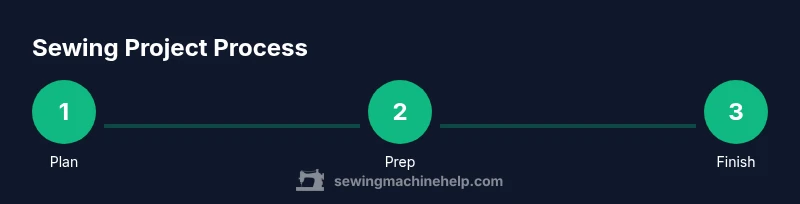
In this guide, you’ll learn how to plan, execute, and complete a sewing machine project from start to finish. You’ll define scope, gather supplies, set up your workspace, follow a structured workflow, test stitches, and finish with a durable, well-documented result. Key requirements include a stable workspace, fabric, thread, bobbin, and basic sewing tools.
Getting started with the sewing machine project
The sewing machine project you undertake today can become a reliable template for future endeavors. According to Sewing Machine Help, a well-defined plan reduces guesswork and improves consistency across pieces. In this section we’ll outline the mindset, scope, and milestones that turn a casual idea into a finished item you’re proud of. The core concept is simple: break the work into manageable phases, verify decisions with quick tests, and document results so you can repeat success. As you embark, consider your skill level, the time you’re willing to devote, and the fabrics you plan to work with. Clear goals help you select the right tools, pattern choices, and finishing methods, and they keep you motivated when tasks feel repetitive. The sewing machine project thrives on steady progress rather than bursts of activity. By preparing a realistic schedule and a clean workspace, you set yourself up for calm, focused sewing sessions that yield quality seams and durable construction. Throughout this guide you’ll see practical checklists, decision trees, and test runs that translate ideas into tangible outcomes.
Define your project scope and outcomes
Before you touch a stitch, articulate what success looks like. Define the size, purpose, and wear expectations of your project. For example, a tote bag may require reinforced seams and sturdy handles; a simple garment should meet fit guidelines and finishing quality. By writing a brief scope, you prevent scope creep and align decisions about fabric weight, interfacing, and notions. The Sewing Machine Help approach emphasizes measurable outcomes (e.g., seam strength, neat topstitching, clean edges) and a practical timeline. With a clear scope, you can select patterns, fabrics, and hardware that fit within your budget and time constraints, reducing frustration and increasing your confidence as you sew.
Gather your tools, fabrics, and workspace setup
A well-equipped workstation is the backbone of a successful project. Start with a stable table, good lighting, and a comfortable chair. Gather essential tools: a sewing machine in good working order, a set of needles appropriate for your fabric, matching thread, scissors, pins, marking tools, and measuring tapes. Keep a small scrap bin for testing seams and tension adjustments. If you have optional feet (zipper, walking foot, piping foot), arrange them near the machine. Having a tidy, organized space helps you move fluidly from fabric cutting to finishing, minimizing the risk of misalignment or errors. Sewing Machine Help recommends labeling your materials and keeping a project notebook to track decisions and changes as you work.
Choosing fabrics and interfacing for a durable finish
Fabrics drive the look, feel, and longevity of your project. Consider weight, drape, fiber content, and care requirements. For beginners, cottons and blends are forgiving and sew well on most machines. Interfacing should match the fabric weight to provide body where needed, such as collars, hems, and bags. When planning a sewing machine project, test a small scrap of fabric with your chosen needle and thread to verify how the fabric behaves under your machine’s tension. This step helps you avoid puckering, skipped stitches, or snags. Always wash and press fabric samples before committing to a full run, so shrinkage won’t affect final dimensions.
The basic stitch patterns and machine settings you need
You don’t need every stitch in the book to complete most home projects. Start with straight stitches for seams and a zigzag (or overcast) stitch to finish raw edges. Set your machine to a comfortable sewing speed and a stitch length appropriate for the fabric (usually around 2.5–3.0 mm for woven fabrics). Adjust tension so that the needle thread sits neatly on the top and the bobbin stitches interlock cleanly. Practice on scrap fabric to dial in tension, stitch length, and foot pressure. If you’re using thicker fabrics, consider using a walking foot or a larger needle. Document your preferred settings for future reference within your project notebook.
Quality checks and testing before final assembly
Quality checks save time later. Run a few test seams on scraps that mimic your actual fabric, then inspect for skipped stitches, thread breaks, and fabric puckering. Check seam allowances and corner points, and verify that edges align evenly. If you notice tension issues, adjust the bobbin and upper-thread tension in small increments and test again. This testing habit minimizes rework and gives you confidence before assembling the main pieces. Sewing Machine Help emphasizes documenting the test results so you can reproduce successful outcomes across future projects.
Finishing touches and documenting your process
Finishing touches elevate a project from good to great. Press every seam, trim threads, and secure loose ends. For visible topstitching, choose a thread that contrasts pleasantly with fabric, or match for a subtle effect. Add labels, care instructions, or a small hanging loop where appropriate. Take high-quality photos of the finished item and measure key dimensions for your records. Write a brief summary of what worked well and what could be improved next time. Keeping an organized record base helps you replicate success in future sewing machine projects and builds your confidence over time.
Safety, care, and maintenance for future projects
Safety is foundational. Never Sew with a damaged needle, and always unplug the machine when changing feet or threading. Keep your machine clean and oiled as your manual prescribes, and regularly check thread paths for lint buildup. Store tools in a designated place to prevent accidents. Maintenance routines extend the life of your machine and improve stitch quality, so schedule periodic checks and keep a log in your project notebook. For future projects, set aside time for a quick calibration before starting a new fabric or pattern.
Expert tips and learning path for beginners
Begin by choosing low-risk projects to build fundamentals: straight seams, simple hems, and basic zippers. As you gain confidence, tackle small bags or pouches to practice hardware installation. Build a habit of testing every fabric type and documenting results. Consider joining local sewing groups or online communities to exchange tips and critiques. The Sewing Machine Help path emphasizes steady, deliberate practice, with a monthly goal to learn one new technique or stitch type.
Tools & Materials
- Sewing machine(Ensure it is threaded, cleaned, and ready for a test run.)
- Assorted sewing needles(Universal 70/10–80/12 for most fabrics; non-stick or ballpoint for knits.)
- Bobbin(s) pre-wound or wound to fit machine(Keep a few on hand for quick changes.)
- All-purpose polyester or cotton thread(Match color to fabric and test tension.)
- Fabric scissors(Sharp, dedicated to fabric cutting.)
- Pins and pincushion(Use fine pins for delicate fabrics.)
- Measuring tape(2–3 meters preferred for versatility.)
- Fabric marking tool(Chalk or erasable marker; avoid permanent marks.)
- Seam ripper(Essential for correcting mistakes.)
- Rotary cutter and cutting mat(Helpful for straight, precise cuts.)
- Iron and ironing board(Press between steps for accuracy.)
- Pattern paper or tracing paper(Use for complex shapes.)
- Presser feet assortment(Start with universal foot; add zipper/walking feet as needed.)
- Sewing machine oil (if required by model)(Follow manufacturer instructions.)
- Notebook or digital log(Record settings, fabric details, and outcomes.)
Steps
Estimated time: 2-3 hours
- 1
Prepare workspace and thread machine
Clear the area, plug in the machine, and thread the upper thread. Ensure you have a scrap fabric handy to test stitch settings before sewing your project pieces together.
Tip: Keep spare needles nearby and thread color matched to your fabric to avoid visible knots. - 2
Wind bobbin and insert correctly
Wind a bobbin with thread in the correct direction and place it in the bobbin case as described in your manual. Check that the bobbin tension is appropriate for the fabric you’ll use.
Tip: Test a few stitches on scrap fabric to validate bobbin tension before starting main seams. - 3
Prepare fabric and pattern pieces
Lay out fabric with correct grain, cut pattern pieces, and mark seam allowances. Use chalk or marking tools to align where sewing lines will go.
Tip: Double-check pattern piece orientation to avoid miscuts after sewing. - 4
Choose needle and stitch type
Select a needle suited to your fabric (e.g., universal for woven, ballpoint for knits). Choose a straight stitch for seams and a zigzag or overedge stitch to finish edges.
Tip: Set stitch length around 2.5–3.0 mm for woven fabrics and adjust for heavier fabrics as needed. - 5
Sew test seams on scrap
Run test seams on scraps to verify tension, stitch balance, and seam allowance. Adjust as needed before proceeding to the real pieces.
Tip: If you see looping, recheck upper tension and needle size for the chosen fabric. - 6
Assemble main pieces
Pin pieces with right sides together, sew along seam allowances, and stop at corners to pivot. Press seams gently after each seam to set the fabric.
Tip: Press with the iron in the direction of the seam and avoid stretching the fabric during sewing. - 7
Finish edges and hems
Finish raw edges with zigzag or overlock stitches to prevent fraying. Fold hems to the desired depth and stitch evenly for a clean look.
Tip: Use a double hem for heavier fabrics to prevent bulk at edges. - 8
Final inspection and documentation
Inspect all seams, trim stray threads, and photograph the finished item. Note fabric type, needle size, stitch settings, and any adjustments for future reference.
Tip: Keep a short project log to guide improvements on your next sewing machine project.
Your Questions Answered
What is the sewing machine project?
The sewing machine project is a guided, end-to-end practice that takes you from planning through finishing a finished item using your sewing machine.
A sewing machine project is a guided, end-to-end practice that takes you from planning to finishing a finished item using your machine.
How long does a typical sewing machine project take?
Time varies by project complexity. Simple tasks may take 1-2 hours; more detailed items can take several hours. Plan for breaks and testing.
Time varies by project complexity. Simple tasks may take a couple of hours; more detailed items can take longer.
Do I need special equipment for the sewing machine project?
Most projects can be completed with basic tools. Optional items like walking feet or zipper feet can help with certain fabrics and techniques.
Most projects use basic tools, but optional feet can help with tricky fabrics.
How do I choose fabric for a sewing machine project?
Choose fabric by weight, drape, and care needs. Start with forgiving fabrics like cotton blends and test with your chosen needle and thread.
Choose fabric by weight, drape, and care needs. Start with forgiving fabrics and test settings.
What common mistakes should I avoid?
Skipping tests, wrong needle choice, and neglecting seam allowances lead to poor results. Always test first and adjust as needed.
Avoid skipping tests, pick the right needle, and mind seam allowances. Test first and adjust.
Where can I learn more after this guide?
Continue with Sewing Machine Help resources, practice scrappy projects, and participate in beginner sewing communities for feedback.
Keep learning with Sewing Machine Help resources and practice with small projects.
Watch Video
The Essentials
- Plan before stitching to set clear outcomes
- Test stitches on scrap fabric to dial in tension
- Maintain an organized workspace and notes for future projects
- Finish edges properly for durability