Singer Sewing Machine User Guide: Setup, Use, and Care
Master setup, threading, stitches, and care for your Singer sewing machine with this beginner-friendly user guide—practical tips and troubleshooting included.


Learn how to use a Singer sewing machine with this user guide: unbox, set up, thread the machine, select stitches, and complete a basic project. The guide also covers safety, maintenance, and common troubleshooting. By following clear steps, beginners can start sewing confidently with Singer machines. This quick answer introduces the full article with practical, model-agnostic guidance.
Understanding Your Singer Sewing Machine: Model Variants and Common Features
Singer sewing machines span a range of models from beginner-friendly to feature-rich. While designs vary, most Singer machines share a familiar threading path, a standard presser-foot system, and a comparable bobbin arrangement. According to Sewing Machine Help, many modern Singers use a drop-in bobbin or easy-load bobbin system, a clear feed mechanism, and an accessible stitch selector. Understanding model variants helps you anticipate differences in needle type, presser-foot attachments, and motor speed. For home sewers, recognizing features like a free-arm, adjustable stitch length, and tension controls will guide project planning and fabric choices. Always consult your exact model manual for specifics, but the core concepts apply across most Singer machines, making the learning curve smoother for beginners and hobbyists.
As you gain experience, you’ll notice that the basic workflow—set up, thread, stitch, and maintain—remains constant even as features evolve. This section helps you map common features to practical tasks, so you can navigate any Singer model with confidence. The goal is to demystify the machine, build muscle memory for threading and needle changes, and empower you to complete simple projects with consistent results.
Getting Started: Unboxing, Setup, and Safety
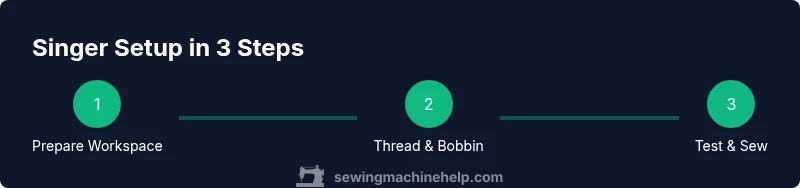
Before you touch any controls, make space on a sturdy table, unplug the machine, and clear away packaging debris. Remove all protective covers and read the model-specific manual to confirm the correct needle type, bobbin size, and oiling points. Create a clean, well-lit workspace and keep scrap fabric handy for test stitches. Always practice basic safety: keep fingers away from the needle when the machine is powered, and never operate the machine on unstable surfaces. Sewing Machine Help emphasizes having a dedicated area with good lighting and quick access to spare parts. When you’re ready, plug in the machine only after you’ve installed the needle and threaded the machine for a first test.
A steady, organized approach reduces jams and mis-threads. With the right setup and safety habits, you’ll be sewing confidently in minutes rather than wrestling with the machine.
Winding the Bobbin and Threading Path
Winding the bobbin and threading the machine correctly are essential for smooth stitching. Start by winding the bobbin with the thread color you’ll use most, using the machine’s bobbin-winding mechanism. Ensure the bobbin spins evenly and sits snugly in its case. Place the bobbin into the bobbin case with the thread pulling in the correct direction according to the manual. Threading from the spool, along the guides, around the tension discs, and down to the needle requires attention to the path shown on the machine. For many Singer models, raising the presser foot and keeping tension consistent helps prevent bird-nesting and tangling. Practice on scrap fabric until you can achieve even stitches and consistent tension.
If you see irregular stitches, recheck the thread path, ensure the needle is properly seated, and verify the bobbin is wound evenly without shredded threads. A clean machine with properly seated bobbin and thread path produces reliable stitches for projects of all sizes.
Installing the Needle and Starting a Seam
Needle installation matters for stitch quality and fabric compatibility. Remove the presser foot and loosen the needle screw before inserting a new needle with the flat side facing the back (or as directed by your model’s manual). Replace the needle with a size appropriate for your fabric—lighter fabrics use finer needles, heavier fabrics require sturdier ones. After securing the needle, reattach the presser foot. Start with a straight stitch on scrap fabric to verify stitch formation and tension. If the fabric pulls or puckers, adjust the needle insertion depth and check the thread path again. Remember to turn off the machine when changing needles if your model requires it, and always test on scrap fabric first to avoid damaging your project.
Sewing Machine Help recommends keeping a few common needle sizes on hand for quick fabric swaps and practicing with different fabrics to understand how the needle interacts with material texture.
Mastering Stitches: Basic Stitch Selection
Most beginner projects rely on straight stitches and simple zigzag stitches. Learn the stitch selector, test the stitch length, and test the width on scrap fabric. For woven fabrics, a straight stitch with a medium stitch length usually yields clean seams. For stretch fabrics, a small amount of stretch requires careful tension and sometimes a narrow zigzag to allow fabric to move without distortion. Decorative stitches can be fun for embellishments but often require testing on fabric scraps first. Keep the stitch plate aligned with the fabric edge and watch for tension anomalies or thread breakage. As you become familiar with your model, you’ll recognize how small adjustments to tension, presser foot pressure, and thread type influence finish quality.
The goal is to master a few dependable stitches before introducing complex stitches or specialty feet. Regular practice builds muscle memory for selecting stitches and adjusting settings quickly.
Maintenance and Care for Longevity
Routine maintenance keeps your Singer sewing machine functioning smoothly and reduces the likelihood of sudden breakdowns. Unplug the machine before any cleaning, remove lint with a small brush, and wipe surfaces with a soft cloth. Periodically oil moving parts as specified by your model’s manual, paying close attention to the recommended oiling points. Dust and fabric fibers can accumulate in the bobbin area and feed dogs; clean these areas gently but thoroughly. Cover the machine when not in use to prevent dust buildup, and store it in a dry location away from temperature extremes. Sewing Machine Help analyses suggest that regular cleaning and appropriate lubrication lead to quieter operation, better stitch quality, and longer device life.
If you notice unusual noises or creeping feed, consult the manual and refer to the troubleshooting section before continuing to sew. Keeping a maintenance log can help you remember when parts were last serviced or oiled, extending the life of your machine.
Troubleshooting Common Issues
Bird-nesting under the fabric is a common problem caused by incorrect bobbin winding, thread path, or needle compatibility. Rewind the bobbin, re-thread the machine, and ensure the needle is the correct type and fully inserted. Thread breakage can result from using low-quality thread, sharp edges on the needle, or fabric that’s too thick for the chosen needle. If tension seems off, test with scrap fabric and adjust the upper thread tension or bobbin tension per the manual. Check that the presser foot is properly set, and ensure the fabric moves smoothly without pulling. Persistent problems may indicate a need for service or a deeper inspection of feed dogs and gear alignment. Sewing Machine Help suggests documenting issues and steps taken to aid future maintenance and model-specific troubleshooting.
Always consult the manual for model-specific instructions and avoid attempting complex repairs without proper training.
Accessories and Upgrades for Singer Sewing Machines
Stock a small collection of accessories to expand your capabilities without overwhelming your workspace: a few universal presser feet (edge/left-hover, zigzag, open-toe) and appropriate bobbins for your model. Choose needle types and sizes aligned with fabric types you work with most, and consider a seam ripper, thread snips, and a magnetic pin cushion for convenience. When upgrading, look for compatible feet and accessories designed for Singer machines or your specific model family. This approach keeps upgrades simple, improves versatility, and preserves your machine’s warranty where applicable. A thoughtful set of tools helps you tackle more projects with confidence and reduce fraying or missed stitches by providing the right attachments for each technique.
Quick Projects to Practice
Beginner projects consolidate core skills learned in this guide. Start with a simple straight-line square pillow cover, then test a zippered pouch, and finally a basic tote bag. Each project reinforces threading accuracy, needle handling, stitch selection, and seam finishing. Practice setting up a consistent seam allowance and hemming technique on scrap fabric prior to moving to real fabrics. Use scrap fabrics to experiment with stitch combinations, tension, and decorative stitches prior to committing to a final project. Over time, you’ll build a repertoire of dependable stitches and reliable finishing techniques that translate to more complex garments and home decor.
Next Steps and Resources
With the basics solid, deepen your Singer sewing machine knowledge by referencing the model manual, attending local sewing workshops, and watching reputable tutorials. Develop a simple maintenance calendar to remind you when to oil, clean, and replace needles and bobbins. Use the quick-answer and step-by-step guidance here as a foundation, then tailor your practice toward the projects you enjoy most. Remember to keep your workspace organized and your machine covered when not in use. The Sewing Machine Help team recommends staying curious, practicing regularly, and approaching each project with patience and a plan.
Tools & Materials
- Owner’s manual (model-specific)(Keep it accessible for model-specific steps.)
- Sewing machine oil (machine lubricant)(Use only as recommended in the manual.)
- Soft lint brush / cleaning brush(For dust and fabric lint in bobbin area.)
- Soft cloth(Dampen slightly for surface cleaning; avoid streaks.)
- Tiny screwdriver set (PH0/PH1 and flat)(For needle plate and accessory screws.)
- Needle pack (sizes 14, 16, 18)(Choose size by fabric weight.)
- Extra bobbins(Have both plastic and metal options if applicable.)
- Scrap fabric for testing(Practice stitches and tension before actual projects.)
- Seam ripper(Safely undo mistakes without damaging fabric.)
- Spool of all-purpose thread(Keep a few colors on hand for tests.)
- Sharp scissors(For cutting threads and fabric cleanly.)
Steps
Estimated time: 45-60 minutes
- 1
Power off and prepare workspace
Move the machine to a stable surface, unplug, and remove any packaging. Clear space for fabric, scissors, and testing scraps. Read the model manual to confirm needle type and oiling points before starting.
Tip: Keep the manual nearby; differences between models can affect setup and threading. - 2
Wind bobbin and place it correctly
Wind the bobbin evenly and place it in the bobbin case, ensuring the thread unwinds in the correct direction. Check the bobbin tension by drawing thread; it should resist slightly without snapping.
Tip: Use the machine’s bobbin winding plate and avoid overfilling the bobbin. - 3
Thread the machine path
Thread from the spool through guides, down to the tension discs, and toward the needle. Raise the presser foot to open the path and ensure smooth threading. Verify the upper thread engages the take-up lever.
Tip: If the thread tangles, remove and re-thread from the start with the presser foot up. - 4
Install the needle correctly
Remove the old needle if present. Insert a new needle with the flat side facing the back (per model). Tighten the needle screw securely without forcing it.
Tip: Never sew with a bent needle; replace it promptly to avoid fabric damage. - 5
Test stitch on scrap fabric
Attach a scrap fabric, select a straight stitch, and run a short seam to test tension and feed. Adjust tension if the stitch lies on the fabric surface or if there are loops on the bottom.
Tip: Test various fabrics to learn how tension changes with fabric weight. - 6
Choose stitches and settings
For basic projects, start with straight stitches; adjust length for desired seam. When ready, switch to zigzag or specialty stitches only after testing. Maintain steady speed and smooth fabric feed.
Tip: Record your preferred settings for future projects to save time. - 7
Maintenance after sewing
Clean lint from the bobbin area, oil as recommended, and store with a dust cover. Wipe the exterior and keep spare needles and bobbins organized.
Tip: Create a simple routine: after every project, perform a quick check and wipe down. - 8
Troubleshoot common issues
If stitch quality deteriorates, re-check threading, needle type, and fabric compatibility. For persistent issues, consult the manual or seek professional servicing.
Tip: Document recurring issues to inform future maintenance.
Your Questions Answered
What is the best way to thread a Singer sewing machine?
Follow the machine's threading path from spool to needle, with the presser foot raised to open the path. Ensure the thread sits in each guide and engages the take-up lever properly. Always consult your model manual for any model-specific twists.
To thread a Singer, start at the spool, follow the guides down to the needle with the presser foot up, and confirm the take-up lever engages. Check your manual if you’re unsure about a step.
How do I wind the bobbin on a Singer machine?
Place a full bobbin on the spindle, guide the thread as shown in the manual, and wind until full. Insert the bobbin into the case, ensuring the thread unwinds in the correct direction. Take up slack by gently pulling the thread and testing tension.
Wind the bobbin on the spindle, put it in the case so the thread unwinds correctly, and test the tension on scrap fabric.
What needle size should I use for woven fabrics?
For most woven fabrics, use needles in the size range 14 to 16. Lighter fabrics can use 11 or 12, while heavier fabrics may require 16 to 18. Always test on scrap to confirm stitch quality.
Most woven fabrics do well with size 14 to 16 needles; test on scrap cloth to confirm.
Why is there bird-nesting under the fabric?
Bird-nesting happens when the bobbin thread and upper thread tensions aren’t balanced or when the thread path is incorrect. Re-thread the machine, re-wind the bobbin, and test on scrap fabric. If the issue persists, consult the manual for tension adjustments.
Bird nesting usually means a thread tension issue or mis-threaded path. Re-thread and test on scrap fabric.
Can I use generic bobbins on a Singer machine?
Only use bobbins that fit and are recommended for your Singer model. Incorrect bobbins can cause tension problems or jams. When in doubt, refer to the manual or contact support.
Only use bobbins that fit your Singer model; wrong sizes can cause problems.
Where can I find the model-specific manual?
Model-specific manuals are usually available from the Singer official site or your retailer. If you’ve misplaced yours, search by model number and download the PDF version for step-by-step guidance.
Check Singer’s site or your retailer for the exact manual by model number.
Watch Video
The Essentials
- Set up a clean, safe workspace before sewing.
- Thread and bobbin setup is the foundation of stitch quality.
- Test on scraps to refine tension and stitch choice.
- Maintain the machine regularly to extend life.
- Refer to model-specific manuals for unique steps.