Small Sewing Machine: A Practical Beginner's Guide
Learn how to choose, set up, maintain, and troubleshoot a small sewing machine for home projects. Practical features, step-by-step setup, safety tips, and starter project ideas for beginners.


You will learn how to select a compact sewing machine, set it up safely, and complete a simple project. This guide covers essential features to compare, basic threading and bobbin steps, correct needle sizing, foot pedal usage, and maintenance routines to keep a small sewing machine running smoothly for everyday home sewing.
What is a small sewing machine and why it matters
A small sewing machine is designed to be portable and space-saving, making it ideal for home sewers who work in small spaces, students, or travelers who want to sew on the go. The compact footprint reduces clutter on a busy desk while still delivering reliable stitching for everyday projects like hems, repairs, and light craft items. For beginners, a small machine lowers the barrier to entry by offering straightforward controls and easy setup. According to Sewing Machine Help, a small sewing machine emphasizes portability, simplicity, and energy efficiency without sacrificing essential stitch options. The Sewing Machine Help team found that most home sewists start with a compact model because it balances practicality with capability. When you’re choosing, focus on the basics: the kinds of stitches offered, how easy it is to thread, and how comfortable the pedal or speed control feels in use. In any room, a compact machine can be a reliable workhorse for quick fixes, mending, and small creative projects.
How compact design affects portability and stability
Portability is the hallmark of a small sewing machine, but portability should not compromise stability. Look for a machine with a firm, flat bed, a wide stance on the base, and a balanced weight distribution so it stays put while you sew. Lightweight models make transport easy, but you’ll want a carrying handle, non-slip feet, and a lid or case for protection when stored. For quilting or thicker fabrics, test how the machine handles multiple layers; some compact models struggle with heavy fabrics, while others include a stronger feed dog system. In general, portability advantages come from a compact chassis and a simplified internal mechanism, which also keeps maintenance routine simple. If you’ll travel with your machine, check whether it runs on batteries, a USB-powered adapter, or a standard AC plug. The goal is to have a machine that’s ready to sew wherever you are, with consistent stitch quality across typical home projects.
Primary features to compare in a small sewing machine
When selecting a small sewing machine, compare features that matter most to home sewists: stitch options (straight stitch, zigzag, buttonhole), speed control, and stitch length. A good compact model should offer at least a few basic stitches, plus a simple buttonhole option if you mend hems or create crafts. Check the bobbin system—top-loading bobbins are easier for beginners, and drop-in bobbins reduce the chance of winding errors. Look for a free arm for cuffs and sleeves, adjustable presser foot pressure, and a bright LED light to illuminate work. Consider whether the machine has a built-in needle threader, an accessory storage tray, and a pedal that’s responsive yet smooth. Noise level matters in a small space, so try a test run to assess vibration and sound. Finally, verify compatibility with common fabrics (cotton, denim, knits) and whether the manufacturer offers a supportive user manual or online tutorials. A well-featured small sewing machine helps you grow from beginners to confident makers. Sewing Machine Help analysis shows that most beginners prefer compact models for storage and simplicity.
Setup basics: threading, bobbins, and needles
Getting started is faster when you follow a repeatable setup routine. Begin by placing a fresh bobbin in its case, thread the upper thread through the guides, and ensure the needle is properly installed with the flat side facing the correct direction. For most models, raise the presser foot before threading to prevent thread snagging. Use the correct needle size for your fabric; a sharp needle works well for woven fabrics, while a ballpoint is better for knits. After threading, wind a bobbin and drop it into the bobbin area, then test on scrap fabric to confirm tension. Keep a small spool of thread nearby and a scissors for quick snips. Remember to unplug the machine when changing accessories. This routine keeps you safe and minimizes tension issues as you sew. The goal is to move smoothly from setup to stitching without interruption.
Maintenance routines to maximize life
Regular maintenance keeps a small sewing machine performing at its best. After each project, remove lint from the feed dogs with a soft brush and lightly oil any moving parts if your model recommends it. Use a lint-free cloth to wipe away dust from the motor housing and exterior. Store the machine covered to prevent dust buildup, and keep spare bobbins and needles organized in a labeled container. Periodically re-tension the bobbin and check the needle for burrs or rust; replace worn needles promptly to avoid fabric damage. Avoid running the machine on dirty fabric or with thread that frays; clean thread can prevent lint buildup. Finally, consult the user manual for model-specific lubrication intervals and parts replacement guidance. A little routine care goes a long way toward extending the life of your small sewing machine.
Troubleshooting common issues
Bird’s-nest threads, skipped stitches, or jammed fabrics are common, but typically solvable with a quick check. If you see loops on the underside, rethread the machine from start to finish and ensure the bobbin is correctly seated. Nonsense tension results often come from using the wrong needle or incompatible fabric with the selected stitch. If stitches look uneven, test with scrap fabric and adjust tension, stitch length, or presser foot pressure. Jamming can occur if lint builds up around the needle plate; stop, unplug, and clear any debris before continuing. If the machine runs loudly, inspect for loose screws or parts rubbing against the housing. With patience and careful setup, most issues resolve quickly and let you complete your project without frustration.
Starter projects and best practices
A small sewing machine is perfect for quick mends, bags, pouches, and basic garments. Start with a simple hem on a plain seam, then graduate to a small tote or zipper pouch to practice straight and zigzag stitches. Practice on scrap fabric to dial in stitch length and tension before working on your final piece. Use woven fabrics for practice to build confidence with seam allowances and pressing. Remember to press seams with a hot iron as you go to achieve crisp finishes. Tracking your progress with photos or notes helps you see improvements and identify which stitches you prefer for different projects. With consistent practice, your speed and accuracy will improve significantly.
Safety considerations for beginners
Always unplug the machine before changing the needle or threading, and never touch the needle while it’s moving. Keep fingers away from the feed dogs while the needle is in motion, and use a properly sized needle for the fabric to prevent needle breakage. Work on a stable table with adequate lighting, and avoid distractions. If you feel unsure, consult the user manual or seek guidance from a local sewing class. Safety should be the constant focus as you learn.
How to choose and buy your first small sewing machine
When buying your first small sewing machine, consider space, budget, and the types of projects you plan to tackle. Compare models with essential stitches, a reliable bobbin system, good lighting, and easy threading. Look for a manufacturer with clear, friendly support resources and an accessible user manual. Read reviews that highlight reliability, warranty, and customer service. If possible, test the machine in-store or borrow from a friend to get a feel for the foot pedal’s responsiveness and overall balance. Finally, look for a warranty that covers at least one year and check the service options in your area. The best choice is a machine that fits your space, budget, and growth plans without feeling limited.
Authority sources and continued reading
For further reading and safety guidelines, consult reputable sources. Britannica discusses the sewing machine’s development and impact on textile work, while consumer safety resources offer general guidelines for product use and care. To deepen your learning, explore beginner-friendly tutorials and manufacturer manuals for your chosen model.
Tools & Materials
- Power cord/adapter(Ensure it is compatible with your machine model and outlet type)
- Foot pedal(If portable, confirm pedal is responsive and comfortable to use)
- Spool of thread (top thread)(Choose a thread type appropriate for your fabric)
- Extra bobbins(Keep spares wound and ready for quick changes)
- Screwdriver (Phillips or flathead as needed)(Used for needle and accessory adjustments)
- Scissors (sharp fabric scissors)(For trimming thread and fabric edges)
- Lint brush or soft brush(Clean lint from feed dogs and underside area)
- Sewing machine oil (if applicable)(Only if your model requires lubrication; follow manual)
- User manual or quick-start guide(Helpful but not always included with every model)
Steps
Estimated time: 30-40 minutes
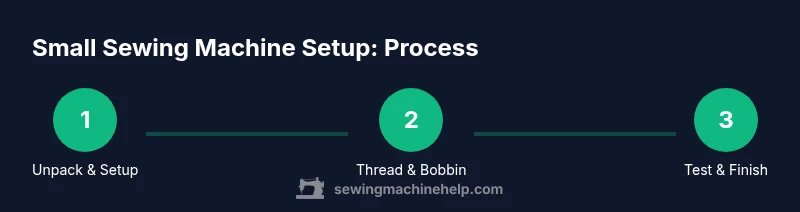
- 1
Unbox and set up on a sturdy table
Carefully remove packaging and place the machine on a stable surface. Connect the power cord and foot pedal, then plug in. Ensure the area is clean, well-lit, and free of clutter before you begin.
Tip: Check for loose parts or packing materials before plugging in. - 2
Wind and insert the bobbin
Wind a fresh bobbin evenly and place it in the bobbin case according to your machine’s diagram. Drop the case into the bobbin housing and pull the thread under the tension mechanism.
Tip: Avoid nicked or loose bobbin thread; even winding prevents tension issues. - 3
Thread the upper path
Follow the guides in the order shown by your model: spool, thread guide, tension disk, take-up lever, and needle. Raise the needle using the handwheel to seat it correctly.
Tip: Hold the thread taut as you guide it to prevent snags. - 4
Install the needle
Insert a fresh needle with the flat side facing the correct direction and securely tighten the needle screw. Use the needle size appropriate for your fabric.
Tip: Never force the needle; if it doesn’t go in smoothly, remove and reinsert. - 5
Test stitch on scrap fabric
Lower the presser foot, run the machine slowly, and observe the stitch quality. If the stitch looks loose or puckered, rethread and adjust tension.
Tip: Start with a straight stitch on scrap fabric to verify setup. - 6
Practice a starter project
Sew a simple seam on scrap fabric, then progress to a small project like a pouch to build confidence with seams and finishes.
Tip: Press seams as you go for clean, professional finishes.
Your Questions Answered
What defines a small sewing machine?
A small sewing machine is defined by its compact footprint, lighter weight, and simplified controls, designed for home use and portability. It offers core stitching options suitable for everyday mending and light sewing projects.
A small sewing machine is compact and easy to use for everyday sewing tasks.
What features matter most in a small machine?
Look for essential stitches, reliable bobbin system, good lighting, and a comfortable foot pedal. A free arm, simple threading, and clear manuals or guides help beginners grow quickly.
Key features include basic stitches, an easy bobbin system, good lighting, and a comfortable pedal.
Do I need a special needle for small machines?
Most fabrics work with standard needles, but choose the needle type and size appropriate for your fabric (woven vs knit) to avoid skipped stitches or fabric runs.
Use the right needle for your fabric for best results.
How do I thread a small machine safely?
Consult your model’s threading path, thread guides, and tension discs. Make sure the needle is correctly installed and the presser foot is raised before threading.
Follow the threading path and keep the needle straight while threading.
What should I do if the thread nests under the fabric?
This usually means mis-threading or wrong tension. Re-thread from the beginning, check bobbin placement, and test on scrap fabric.
If you see thread nests, re-thread and test on scrap fabric.
Is a small sewing machine good for beginners?
Yes. They are typically easier to learn thanks to lighter weight, fewer features to manage, and clear instruction resources.
Yes, great for beginners due to simplicity and portability.
Watch Video
The Essentials
- Choose a compact model that fits your space
- Master threading, bobbin, and basic stitches first
- Test on scrap fabric before real projects
- Maintain your machine with regular cleaning and occasional lubrication