Sewing Machine for Beginner: A Practical Guide to Start Sewing
Learn how to start sewing with a beginner-friendly machine. This guide covers choosing a model, threading, basic stitches, troubleshooting, essential tools, and safety tips for home sewists and beginners.


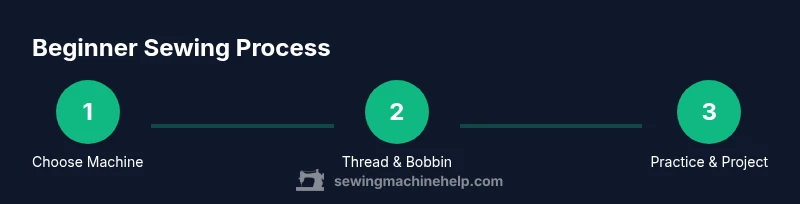
According to Sewing Machine Help, starting with a beginner-friendly sewing machine and a simple setup unlocks quick wins: thread the machine, learn straight stitches, practice on scrap fabric, and complete a small project. This 2-3 step path minimizes frustration and builds confidence for new sewists. You'll also explore basic maintenance and safety tips.
Overview: What is a sewing machine for beginner?\n\nAn entry-level sewing machine is designed for new sewists who want reliable stitches without unnecessary complexity. For beginners, the focus is on core capability: straight seams, basic zigzag, reliable bobbin winding, and safe operation. A good beginner model should be intuitive to thread, feature an easy manual, a few stitch options, and clear indicators for tension and stitch length. According to Sewing Machine Help, choosing a model with friendly ergonomics and robust instructional resources is the fastest path to progress. In this section we’ll unpack what makes a machine approachable, how different formats (mechanical vs. computerized) impact learning, and how to set realistic expectations. You’ll also find a quick checklist to compare popular beginner machines and avoid common buyer mistakes. The goal is to empower you to start sewing quickly, with confidence, and to minimize the trial-and-error phase that can derail early enthusiasm. By the end, you’ll know what to look for when you visit a store or shop online, and you’ll have a clear plan for your first practice sessions.
Why choose a beginner-friendly machine?\n\nChoosing a machine designed for learners helps you build fundamentals without fighting the equipment. A beginner-friendly model typically offers intuitive threading, simple stitch selections, and reliable tension with visible guides. The advantage is a shorter learning curve and fewer frustrating jams that derail motivation. Sewing Machine Help analysis shows that new sewists who pick a forgiving machine tend to practice more consistently and progress faster. Look for clear labeling of stitch width, length controls, and a friendly manual. Also consider weight and ergonomics—lighter machines are easier to maneuver on a small table, while heavier bases reduce vibration during stitching. Start with essential features and expand later as your projects grow in complexity. As you gain confidence, your machine can become a reliable partner for a wider range of fabrics and techniques.
Essential features to look for in a beginner machine\n\nA good beginner machine should include a handful of practical features: a clear stitch selector, adjustable stitch length and width, a reliable drop-in bobbin, easy needle threading, and accessible tension controls. Mechanical machines are often more intuitive for complete novices, while computerized models offer a few extra stitches and automatic features that simplify specific tasks. Prioritize reliability and ease of maintenance over a long feature list. Ensure the machine has a free arm for sewing cuffs and sleeves, and check that the presser foot is easy to swap. A responsive manual with diagrams will save you hours of guesswork. For home sewers, a model with at least straight stitch, zigzag stitch, backstitch, and a basic buttonhole function covers most beginner projects. Finally, compare after-sales support and community tutorials; these resources are invaluable for beginners.
Setting up the machine and winding a bobbin\n\nBegin by placing the machine on a sturdy table with good lighting. Wind a new bobbin using the correct thread tension, then insert the bobbin into its case and thread the top thread following the machine’s guide. Practice pulling the thread to feel the tension before you start stitching. If the thread tangles or skips, stop and rethread both top and bobbin threads. Always consult the user manual for your specific model, as bobbin placement can vary. After you have a stable setup, do a test run on scrap fabric to confirm stitch quality and thread tension. A proper setup saves frustration during your first real projects and reduces fabric waste.
Basic stitches and when to use them\n\nThe backbone of beginner sewing is the straight stitch, used for seams on the majority of fabrics. The backstitch is essential for locking seams, preventing unraveling. A shallow zigzag helps with knit fabrics and finishing edges, and a wider zigzag can handle stretchy materials or decorative finishes. Start with straight seams on scrap fabric to master consistent seam allowance. As you gain confidence, try basic decorative stitches on test swatches to understand their scale and effect. Remember: choose stitches that match your fabric and project goals, not just what’s available.
Threading, needle sizes, and fabric handling\n\nThreading and needle selection influence stitch quality more than any single feature. Use the right needle size for fabric weight: a universal size 14/90 for woven fabrics and 11/75 for lighter fabrics is often a safe starting point. Keep the thread color contrast simple during practice to easily see stitching errors. When feeding fabric, guide it gently—don’t push or pull—so the machine can maintain even fabric speed. Practice on scrap fabric before tackling garments or home decor. If the thread breaks or tangles, rethread the top and then reinsert the needle, ensuring the needle is fully inserted and facing the correct direction.
Maintenance and safety basics\n\nRegular maintenance keeps a beginner machine reliable. Clean lint from the feed dogs and bobbin area after every long session, oil only where the manufacturer recommends, and replace needles regularly. Always unplug the machine before performing maintenance, and avoid touching the needle area when power is connected. Keep scissors and pins away from the needle plate to prevent damage. Schedule a quick check-up with a professional if you notice unusual noises or poor stitch quality that persists after rethreading and needle changes.
Practice projects to build confidence\n\nChoose simple, practical projects to reinforce skills: a pillowcase, a small tote bag, or a beginner skirt with an elastic waistband. Work on 1-2 projects at a time to refine your technique and build muscle memory. Document your progress with photos to monitor improvement and to reference later. As you complete each project, reflect on the steps that caused the most difficulty and adjust your practice plan accordingly. Reaching small milestones keeps motivation high and anchors your learning process.
Budgeting and where to buy\n\nSet a realistic budget for your first sewing setup. Include the machine, basic tools, and a starter bundle of fabric and thread. Look for reputable sources that offer a return policy and user guides. Compare prices across retailers and watch for seasonal sales or bundle discounts that include essential accessories. Consider buying from a local shop where you can test machines in person, or choose a well-reviewed online retailer with strong customer support. Always verify the warranty terms and included accessories to avoid surprise costs later.
Tools & Materials
- Sewing machine (beginner-friendly)(Choose a model with straight, zigzag stitches; easy threading; and a clear manual.)
- Power cord and foot pedal(Essential for controlling speed and power.)
- Spool of all-purpose polyester or cotton thread(Match thread weight to fabric; start with medium-weight fabrics.)
- Bobbin(s) and bobbin case(Wind a fresh bobbin and practice winding before stitching.)
- Assorted sewing machine needles (sizes 80/12, 90/14)(Have at least two sizes for woven and knit fabrics.)
- Scissors (fabric scissors) and small snips(Keep dedicated fabric scissors sharp for clean cuts.)
- Pins and pincushion(Use fine pins for lightweight fabrics; long pins for heavier fabrics.)
- Measuring tape and fabric chalk or erasable marker(Useful for marking seam allowances and pattern placements.)
- Seam ripper(For correcting mistakes without damaging fabric.)
- Lint brush or small brush(Helpful to clear lint from bobbin area after practice.)
Steps
Estimated time: 30-60 minutes
- 1
Unbox and set up the machine
Unbox the machine and place it on a sturdy table in a well-lit area. Plug it in and power up to verify basic operation. This initial setup confirms the machine is functioning and ready for practice.
Tip: Keep the manual within reach and note the model’s basic controls for easy reference. - 2
Wind and install the bobbin
Wind a fresh bobbin with the correct thread, then insert it into the bobbin case as directed by your manual. Ensure the bobbin turns clockwise or counterclockwise as required by your model and that the thread feeds correctly.
Tip: Practice threading through the bobbin tension guide to avoid jams. - 3
Thread the top thread
Follow the path from spool to needle with the handwheel turned slowly to seat the thread correctly. Check that the thread sits in all guides and that there are no tangles before you start.
Tip: If the machine has automatic needle threading, this step becomes quicker; if not, use the traditional threading path slowly. - 4
Thread the needle and insert the fabric
Thread the needle with the same thread, then place a scrap piece of fabric under the presser foot. Lower the presser foot to hold fabric in place before you begin to stitch.
Tip: Pull the thread tails gently to prevent nesting under the fabric. - 5
Test straight stitch on scrap fabric
Select the straight stitch and sew a short seam on scrap fabric. Adjust stitch length to 2.5mm and guide fabric evenly to practice consistent seams.
Tip: Take notes on how fabric feeds and adjust speed accordingly. - 6
Practice backstitch to lock seams
At the start and end of your seam, sew a few stitches in reverse to lock the threads. This prevents unraveling and strengthens the seam.
Tip: Use shorter backstitch length if your machine allows. - 7
Experiment with basic zigzag
Switch to a zigzag stitch and test on scrap fabric. This helps with finishing edges and working with stretch fabrics.
Tip: Set a moderate width so edges don’t curl or gather unexpectedly. - 8
Clean up and plan your first project
Power off, unplug, and remove fabric scraps. Decide on a simple beginner project like a pillowcase or tote bag and prepare materials.
Tip: Keep a small project kit handy for weekly practice sessions.
Your Questions Answered
What features should a beginner sewing machine have?
A beginner machine should have easy threading, a drop-in bobbin, a few essential stitches, adjustable stitch length, and a straightforward manual. Prioritize reliability and ease of use over fancy extras.
Look for an easy-threading mechanism, a simple bobbin setup, and essential stitches to start sewing confidently.
Is a mechanical machine better than a computerized one for beginners?
Mechanical machines are typically simpler and easier to troubleshoot for beginners. Computerized models offer convenience features, but can add complexity. Start with mechanical if you want straightforward learning.
Mechanical machines are often easier to learn on, while computerized ones add features you may not need at first.
How often should I change the needle?
Change the needle after every project or if you notice skipped stitches, rough feeding, or fabric snags. A dull needle can damage fabric and threads.
Change your needle after each project or if you notice problems, to keep stitches clean.
What’s a good starter project for beginners?
Begin with simple projects like a pillowcase, tote bag, or simple skirt. These build seam accuracy and control without overwhelming you with complex patterns.
Try a pillowcase or tote bag first; simple projects build confidence.
Do I need to oil my machine as a beginner?
Only oil if the manufacturer recommends it. Many modern machines are low-maintenance and do not require frequent oiling.
Follow your manual; oiling isn't always required for new machines.
Where can I find reliable sewing machine help resources?
Look for reputable guides from established sewing communities and manufacturer manuals. Community forums and video tutorials can supplement the official manual.
Use trusted guides and manuals to learn the basics.
Watch Video
The Essentials
- Choose a beginner-friendly model with intuitive threading and clear guides.
- Master threading, bobbin setup, and straight stitches first.
- Practice on scraps before tackling real projects.
- Maintain the machine with regular cleaning and needle replacement.
- Gradually expand to more stitches as confidence grows.