Easy Use Sewing Machine: A Practical Beginner Guide
A practical, step-by-step guide to using a sewing machine with confidence. Learn setup, threading, basics, and troubleshooting for easy use sewing machine.


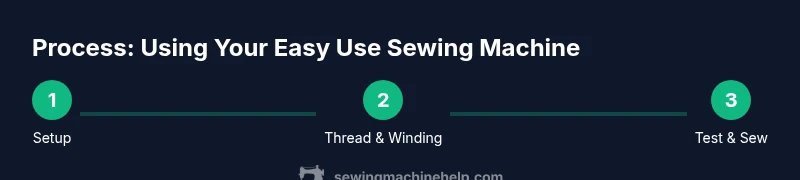
Set up your machine, thread correctly, and practice basic stitches to complete simple projects. Start by winding the bobbin, threading the machine, and selecting a straight stitch with a moderate length. Test on scrap fabric, adjust tension as needed, and backstitch at the start and end to secure seams. With consistent practice, using an easy use sewing machine becomes second nature.
Understanding the Easy Use Sewing Machine
For home sewists pursuing confidence, an easy use sewing machine is a tool designed for clarity, reliability, and forgiving operation. According to Sewing Machine Help, the term describes models with clearly labeled controls, intuitive threading paths, and consistent stitch quality across common fabrics. In practice, an easy use machine helps you focus on fabric and technique rather than wrestling with settings. You’ll notice features like simple speed control, a visible bobbin area, and a reliable presser foot that stays in position during starts and stops. In this section you’ll learn how these characteristics translate into real-world results—smooth seams, fewer jams, and faster learning curves. You’ll also discover how to choose settings for basic fabrics (cotton, polyester blends, knits) and how to adjust your stance and lighting to reduce eye strain during longer sessions. By embracing these fundamentals, you’ll build confidence with every stitch and reduce the fear that often accompanies new projects.
Essential Setup: Getting Your Machine Ready
A calm, well-organized workspace is the first step to mastering an easy use sewing machine. Begin by choosing a sturdy table with ample lighting and a power supply that’s tested and safe. Place the machine on a non-slip mat to prevent shifting. Confirm that the foot pedal is connected and within easy reach, and unplug the machine before making any changes. Attach a clean bobbin and ensure the thread path is clear of lint or loose fibers. If you’re switching from a previous project, wipe the needle area with a soft brush to remove lint—this preserves stitch quality. Finally, thread a fresh spool and wind a bobbin taht matches the top thread color. Taking these preparatory steps minimizes interruptions and sets you up for a smooth sewing session.
Threading and Tension: The Basics
Threading your machine correctly is essential for even stitches and consistent tension. Start by placing the thread spool on its pin, guiding it through the thread guides, then threading the take-up lever before the needle. Hold onto the thread tail and lower the presser foot to engage the threading path, allowing the thread to seat properly. Winding and installing the bobbin is the next critical step: place the bobbin on its spindle, wind new thread evenly, and insert it in the bobbin case with the thread running in the indicated direction. Adjusting the top tension dial in small increments helps you balance needle and bobbin tension. Practice on a scrap swatch of fabric—if the stitches loop on the bottom or top, alter tension slightly and retest until the stitches lie flat. A well-balanced stitch is quieter, stronger, and easier to sew with over longer sessions.
Basic Stitches and When to Use Them
Learning a few core stitches gives you a solid foundation for most beginner projects. The straight stitch, with a mid-range length (often around 2.5 to 3.0 mm), is ideal for seams on woven fabrics. The zigzag stitch provides stretch and flexibility for knit fabrics or finishing raw edges. A backstitch at the start and end anchors seams, preventing unraveling. For hems on lightweight fabrics, a short straight stitch or a blind hem (if your machine supports it) is often sufficient. When sewing with thicker materials, slow the machine down, use a longer stitch length for seams in bulky layers, and consider using a walking foot for even fabric feeding. As you gain experience, you’ll recognize which stitch to choose by the fabric type, weight, and desired finish.
Troubleshooting Common Issues
Even beginner-friendly machines can misbehave if setup isn’t optimal. If the thread breaks frequently, recheck the threading path and ensure the needle is installed correctly and not bent. Tangled threads at the underside or top can indicate incorrect bobbin installation or tension misadjustment. If the machine won’t move: confirm the presser foot is down, verify the stitch selector is engaged, and ensure the fabric isn’t pushed too hard. For skipped or uneven stitches, re-thread the machine and test on scrap—double-check needle size and type for the fabric. Always remove the bobbin and cut power before clearing lint from the feed dogs or bobbin area. Keeping notes of issues and fixes helps you learn what to adjust next time.
Maintenance and Care for Longevity
Regular care keeps an easy use sewing machine performing at its best. Clean lint from the needle plate and bobbin area after each long session and oil where the manufacturer recommends (if applicable). Check needle condition—bent or dull needles impede stitching and can damage fabric. Changing needles frequently based on fabric type preserves stitch quality and reduces thread breaks. Store the machine in a dry, clean place away from direct sunlight and dust. Periodic professional servicing isn’t required for casual use, but scheduling a routine check every 12–18 months can catch loose components or belt wear early. By integrating a simple cleaning routine into your practice, you’ll experience fewer jams and longer machine life.
Practice Projects for Confidence
Start with small, repeatable projects to build muscle memory and confidence with your easy use sewing machine. A simple tote bag, a pillow cover, or a straight-seamed patchwork coaster provides immediate, tangible results. As you practice, document your settings for each fabric type and stitch choice so you can reproduce favorable results. Consider keeping a project notebook that records fabric weight, needle type, thread, stitch length, and tension settings. Gradually introduce curves, corners, and basic zippers as your confidence grows. The key is to practice regularly, reflect on what works, and adjust without fear.
Accessories and Upgrades for Beginners
A few thoughtfully chosen accessories can dramatically improve your experience. A transparent stitch guide or foot with clear markings helps you align seams more precisely. A universal needle set and compatible threads reduce breakage and break-in time. A seam ripper and a pair of sharp scissors are essential for on-the-fly fixes. A quality presser foot for walking or zipper insertion makes finishing projects smoother. While upgrades aren’t required, investing in these basic tools accelerates learning and enhances results. Remember to store accessories in labeled compartments, keeping your workspace organized and efficient.
Tools & Materials
- Sewing machine(Own or access to a basic domestic model)
- Power cord and foot pedal(Ensure cord is in good condition)
- Spool of all-purpose thread(Cotton or polyester blend preferred)
- Bobbin(Pre-wound; match the thread color when possible)
- Assorted sewing scissors(Sharp, small pair for precision cuts)
- Pins and pincushion(Applies to most projects)
- Seam ripper(Keep as a backup for mistakes)
- Measuring tape(For accurate seam allowances)
- Fabric scissors(Dedicated pair for fabric)
- Patch or scrap fabric for practice(Helpful for quick tests)
- Small screwdriver(For minor adjustments if needed)
Steps
Estimated time: 60-90 minutes
- 1
Prepare your workspace
Clear a flat, well-lit area. Set the machine on a stable surface and verify power is off before touching any components. Arrange tools within easy reach and choose a scrap fabric for practice.
Tip: Keep a small trash bin nearby to drop pin scraps. - 2
Wind the bobbin
Place a fresh spool on the bobbin winder, thread correctly, and wind evenly. Do not overfill; stop when the thread is fully wound and remove from the winder.
Tip: Use a scrap thread tail to hold the bobbin while placing it into the case. - 3
Thread the machine
Follow the thread path guides from spool to needle. Use smooth, even tension while guiding the thread; avoid pulling or forcing it.
Tip: If your machine has a take-up lever, ensure it reaches the highest point before threading. - 4
Thread the needle and bobbin
Thread the needle from front to back or left to right depending on your model. Insert the bobbin so the thread pulls in the correct direction. Pull both threads under the presser foot.
Tip: Double-check needle eye alignment; a bent needle will cause skipped stitches. - 5
Test stitch on scrap
Set a straight stitch, adjust stitch length to about 2.5 mm, and sew a few inches on scrap fabric. Check for balanced tension and consistent feed. Re-thread if needed.
Tip: Backstitch at the start and end to secure seams. - 6
Adjust fabric and settings
Place fabric under the presser foot; lower the foot and guide smoothly. Start with a slow speed, then gradually increase as you gain control.
Tip: Use shorter seams for practice to improve control. - 7
Sew a basic seam
Align fabric edges, sew a straight seam with steady hands, and stop with the needle down when turning corners. Practice 1/4 inch seam allowances on woven fabrics.
Tip: Mark 1/4 inch on fabric to guide your seam allowances. - 8
Finish and clean up
Trim threads, remove fabric, and turn off the machine. Clean lint around the bobbin area and store tools properly.
Tip: Develop a quick post-sew routine to keep your machine tidy.
Your Questions Answered
What is the easiest way to thread the sewing machine for a beginner?
Follow the machine's thread path from the spool to the needle, ensuring the take-up lever is at the top position when starting. Hold the thread tail to keep it taut, and recheck the path if the machine jams. Always angle the thread so it seats cleanly in guides.
Thread the path from the spool to the needle, keeping the thread taut and ensuring the take-up lever is up before threading. If it jams, recheck the guides and rethread.
How do I wind a bobbin correctly for a beginner?
Place the bobbin on the winder, follow the correct winding direction, and stop when it’s evenly filled. Do not overfill, and test the bobbin in the case to ensure the thread pulls smoothly. Use a scrap thread tail to secure the winding.
Wind the bobbin evenly without overfilling, then test it in the case to ensure smooth operation.
What basic stitches should I learn first?
Learn the straight stitch for seams, the zigzag stitch for finishing edges, and how to backstitch to anchor seams. Practice with cotton or light fabric before moving to heavier materials.
Start with straight stitch, zigzag for edges, and backstitch to anchor seams.
Why is fabric feeding uneven, and how can I fix it?
Uneven feeding often comes from fabric puckering, incorrect tension, or a dull needle. Re-thread, adjust tension slightly, and ensure the presser foot pressure is appropriate for the fabric weight.
If fabric puckers, re-thread and tweak tension, and check the needle is sharp.
What maintenance should I perform after sewing sessions?
Remove lint from the bobbin area, wipe the needle plate, and oil only if your manual recommends it. Store with the needle removed if possible to protect the needle resting point.
After sewing, clean lint, wipe the plate, and oil if your manual says so.
Watch Video
The Essentials
- Master the basics: setup, threading, and basic stitches.
- Practice on scraps to build confidence and consistency.
- Keep your machine clean and well-lubed for longevity.
- Backstitch at starts/ends to secure seams.
- Invest in a few essential accessories to improve results.