What to Do with an Old Sewing Machine: A Practical Guide for Home Sewists
Explore practical options for an old sewing machine, including donation, sale, salvage, and recycling. Get step-by-step guidance for assessing condition, choosing the best disposal path, and safely preparing items for reuse.


Here are practical options for an old sewing machine: donate it to a local charity, school, or craft guild; sell or give away if functional; salvage usable parts for repairs or upcycling; recycle metal and plastic components through an e-waste program; or repurpose the cabinet and pedal as a decorative or functional project.
Why repurposing old sewing machines matters
If you're asking what to do with old sewing machine, here's a practical guide that helps you make a choice that respects people and the planet. Repurposing machine hardware reduces e-waste and supports programs that teach sewing skills in schools, libraries, and community centers. For many hobbyists, passing a still-working machine along to a neighbor or a local charity creates new opportunities for learning and creativity, while keeping bulky, poorly functioning units out of landfills. This approach blends environmental responsibility with social value, two priorities that many home sewers share. In this article, we’ll walk through how to assess condition, decide among donation, sale, salvage, or recycling, and prepare your machine for the chosen path. According to Sewing Machine Help, responsible disposal should balance safety, community benefit, and practical reuse.
Even when a machine seems old, there may be components worth saving or repurposing, such as cabinets, pedals, or feet, which can be repurposed for furniture or classroom displays. By starting with a clear plan, you reduce stress and increase the chances your machine ends up with someone who will use it, rather than wasting it. In the following sections, you'll find a structured approach, with checklists and tips to help you make an informed decision.
How to assess the machine's condition
Safety comes first. Unplug the power cord and remove the plug from the outlet before touching any moving parts. Inspect the exterior for cracks, corrosion, or missing pieces. Note the model and age if visible, and check the hand wheel for smooth movement. Look for cracked belts, worn tension, or damaged cords—these issues affect safety and value. Document issues with photos and notes so you can communicate clearly with the recipient or potential buyer. If you smell burning oil, hear grinding, or feel unusual resistance when turning the hand wheel, stop and seek professional help. Taking a careful inventory helps you decide whether the machine should be donated as-is, repaired, or dismantled for parts. Remember to keep a list of what’s included (foot pedal, presser feet, bobbins, manuals).
Your disposal and reuse options
There are several viable paths, depending on condition:
- Donation: A functional machine is ideal for schools, libraries, charities, or craft groups. Include manuals and accessories for ease of use.
- Sale or barter: If it runs, a fair listing can help a hobbyist or budding sewer start with a reliable unit.
- Salvage: If it’s not fully functional, consider salvaging usable parts (feet, bobbin case, needles, feet) for repair projects or upcycling.
- Recycle: Nonfunctional machines should go through local electronics or metal recycling programs. This minimizes hazardous waste and ensures components are properly handled. Sewing Machine Help analysis shows communities benefit when machines are donated or recycled responsibly, rather than discarded indiscriminately.
Donating a functional machine
To maximize the chance your donation is accepted and used, prepare a tidy package. Clean the exterior, remove lint and oil residue, and ensure the needle is removed. Include the manual, a few bobbins, a couple of presser feet, and any accessories that came with the machine. Attach a short note describing the machine’s basic operation, any quirks, and safe operating guidelines. Contact local charities, schools, libraries, or community craft centers to confirm acceptance and any packaging or shipping requirements. If possible, provide photos to help the recipient understand what they’re receiving. Some programs require donor receipts for tax purposes, so ask in advance. By giving a complete, accurate donation, you reduce back-and-forth and speed the path to a new home for the machine.
Selling a functional or repairable machine
Selling a machine can be rewarding and fast if you present it well. Start with an honest assessment of condition and capabilities, noting the model, year, included accessories, and any known issues. Take high-quality photos from multiple angles, including the cabinet, pedal, and feet. Write a clear, detailed listing that mentions whether the machine runs, stitches well, and what maintenance it requires. Set a reasonable price based on condition and market demand, and be explicit about pickup or shipping terms. Mention your return policy, if any, and provide a concise care guide. Consider targeting local sewing groups or online marketplaces that attract hobbyists who value reliability and retro models. Transparent communication builds trust and reduces post-sale questions.
Salvaging parts or repurposing as décor
Even a nonfunctional machine has value. Salvage usable parts like presser feet, bobbin cases, and accessories for repair projects. The cabinet and pedal can be repurposed into practical decor or furniture—think a vintage plant stand, a doorstop, a display shelf, or a small table base. If you’re handy, you can convert a treadle base into a small desk or stand, preserving the machine’s charm while giving it a new function. When salvaging, keep parts organized and labeled so you can reassemble anything that’s still functional or reuse pieces in future projects. This approach minimizes waste and sparks creativity.
Recycling and proper disposal of nonfunctional machines
If the machine no longer works or cannot be safely repaired, recycling is the responsible path. Contact your municipality or local electronics recycler to understand accepted items and preparation steps. Remove any batteries or hazardous substances per local guidelines, and store fluids in leak-proof containers for proper disposal. Do not place electrical devices in regular trash, as improper disposal harms the environment and may violate local laws. By coordinating with a recognized recycling program, you help ensure the metal, plastic, and other materials are recovered and reused safely. The Sewing Machine Help team emphasizes following local rules to protect people and the planet.
What to include when you donate or sell
Create a simple, donor-friendly packet that speeds the process. Include the machine, all included accessories, manuals, and a quick setup guide. Provide clear notes about any functional quirks or recommended maintenance. Include diagrams or photos if the recipient will benefit from them. For donors, this reduces back-and-forth questions; for sellers, it can lead to smoother negotiations and faster pickup. Keep a copy of the donation or sale receipt for your records. Finally, verify pick-up or shipping arrangements and provide contact information for follow-up.
Next steps and safety reminders
As you wrap up, perform a final safety check and confirm the recipient’s needs. If you donated, obtain a receipt and save it for tax purposes in line with local rules. If you sold or salvaged, organize parts and label them to assist future use. The Sewing Machine Help team recommends keeping a simple project log of what you did with the machine, including photos and notes for future reuse. By following a deliberate process, you’ll feel confident that the old sewing machine has found a purposeful new home and won’t contribute to needless waste.
Tools & Materials
- Power-off verification gear(Unplug at wall, remove battery (if any) before handling.)
- Cleaning supplies(Mild soap, lint-free cloth, and soft brush.)
- Manuals and accessories(Original manual, bobbins, presser feet, needle set.)
- Packaging or box(Sturdy box with packing material for donation or shipping.)
- Labels or tape(To label parts if salvaging (e.g., feet, bobbin case).)
Steps
Estimated time: 2-4 hours
- 1
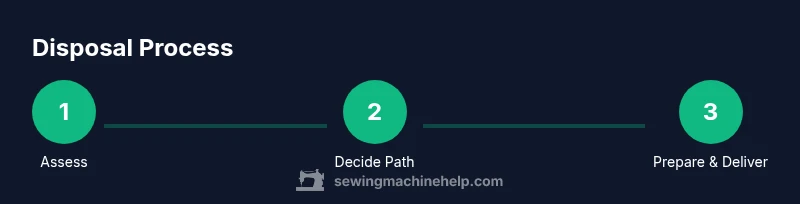
Assess safety and basic condition
Unplug the machine, inspect for obvious hazards, and check that the hand wheel turns freely without resistance. Look for missing parts or obvious damage to the cabinet. If any electrical issues are suspected, stop and seek professional help before proceeding.
Tip: Always unplug before handling moving parts to prevent shocks or sparks. - 2
Document essential details
Record the model and serial number, age if known, and note any functional quirks. Take clear photos from multiple angles, including the underside and inside if accessible. This information helps donors or buyers assess value and decide on the best path.
Tip: Photos streamline the donation or sale process and reduce questions later. - 3
Decide disposal path based on condition
If it runs smoothly and has all accessories, consider donation or sale. If only partial function remains, salvage usable components. If nonfunctional, plan for safe recycling and disposal through local e-waste programs.
Tip: Don’t commit to a path before confirming local options for donation or recycling. - 4
Prepare for donation or sale
Clean the exterior, remove any needles, and wipe away oil or lint. Include the manual and several accessories, and package securely to avoid movement during transit. Attach a short note with basic operating tips and care instructions.
Tip: A complete package increases donor or buyer confidence and reduces follow-up questions. - 5
Salvage parts if you’re comfortable
If you understand the machine’s construction, remove items such as presser feet, bobbin case, and small accessories. Organize removed parts in labeled bags or containers so they don’t get misplaced. Only salvage parts you know how to reassemble.
Tip: Label parts to ease future use or resale. - 6
Coordinate recycling for nonfunctional units
Contact your local electronics recycler to learn what’s accepted and how to prepare the device. Separate liquids or lubricants and follow guidelines for safe disposal. Do not place the machine in regular trash.
Tip: Follow local rules to avoid contamination or fines.
Your Questions Answered
Can I donate a broken sewing machine?
Yes, many charities and repair programs can salvage usable parts or recycle components from a broken machine. Check with the organization first to confirm acceptance policies and any preparation requirements.
Yes, you can donate a broken machine; many programs salvage parts or recycle components, but always confirm the policy with the organization first.
Where can I recycle an old sewing machine?
Look for local electronics recycling programs, municipal e-waste events, or appliance recycling facilities. Some thrift stores partner with recyclers and may guide you to approved drop-off points.
Check local electronics recyclers or municipal programs to find approved drop-off points.
What should I remove before donating?
Remove needles, oil, and batteries, if any. Include the manual, essential attachments, and a note about operating tips. Pack securely to prevent damage during transit.
Remove needles and batteries, include manuals and key attachments, and pack securely.
How do I value a used sewing machine?
Value depends on model, age, condition, and included accessories. Provide clear condition notes and photos; the market for vintage or mid-range models can vary widely.
Value depends on model, age, and condition; provide clear notes and photos.
Is it safe to repair an old machine myself?
Basic cleaning and tension checks are fine, but avoid opening electrical components if you’re not trained. Seek a qualified technician for major repairs to prevent injury or further damage.
Basic cleaning is fine, but avoid electrical repairs unless you’re trained.
What about needles and oil in the machine?
Keep needles separate from the machine when transporting. Dispose of used oil according to local hazardous waste guidelines and never mix with household trash.
Keep needles separate and dispose of used oil per local guidelines.
Watch Video
The Essentials
- Assess safety before any disposal action.
- Choose donation, sale, salvage, or recycling based on condition.
- Prepare documentation and accessories to improve value.
- Recycle nonfunctional components through proper channels.
- Document the process to help others reuse the machine.