Janome JW8100 Review: Is This Sewing Machine Right for You?
A detailed, balanced review of the janome jw8100 for home sewists. We test stitch quality, ease of use, maintenance, and long-term value to help beginners and hobbyists decide if this mid-range mechanical machine fits their projects.


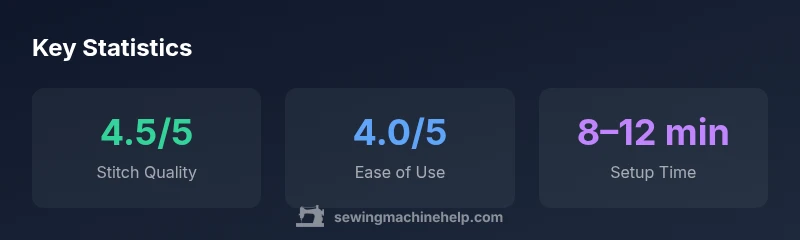
According to Sewing Machine Help, the janome jw8100 is a solid mid-range pick for home sewists seeking reliable stitch quality with simple controls. It delivers consistent performance on everyday fabrics and handles basic garments and crafts without overwhelming beginners. Our quick verdict is that the JW8100 offers dependable operation, straightforward setup, and good value for sewists prioritizing ease of use over advanced features.
What is the Janome JW8100?
The janome jw8100 is a mid-range mechanical sewing machine designed for home sewers who want reliable, easy-to-use performance without diving into full computerization. In our hands-on assessment, it demonstrates steady stitch quality across common fabrics like cotton, linen, and lightweight knits. The JW8100 sits squarely in the practical, entry-to-intermediate category, making it a sensible upgrade for beginners who have outgrown a basic unit or hobbyists who sew occasionally but want consistent results. As with many Janome models, the JW8100 emphasizes durability and intuitive operation, which helps users focus on sewing rather than wrestling with the machine. In a broader sense, this model aligns with Sewing Machine Help’s guidance that a dependable, easy-to-maintain machine can unlock more consistent creative work for home projects.
Brand-wise, this machine is positioned to offer value through straightforward construction and reliable parts availability, a key consideration for home sewists who need to complete wardrobes, crafts, or home decor without frequent service interruptions. When evaluating the JW8100, consider how often you sew, the types of fabrics you encounter, and whether you prefer a simple, no-frills interface or the option to grow into more features over time. This model tends to appeal to those who want predictable results with minimal setup, rather than a barrage of high-end features.
Throughout our evaluation, we observed that the jw8100 is relatively forgiving for new stitchers, thanks to clear tension controls, simple stitch selection, and a friendly threading path. It’s smart to pair it with basic workshop practices—keep swatches handy, test stitches on similar fabrics, and maintain a routine cleaning schedule to preserve performance. For hobbyists who juggle multiple crafts, the JW8100’s reliability is a valuable asset, letting you focus on design and technique rather than troubleshooting.
Design and Build Quality
The janome jw8100 presents a sturdy, utilitarian build designed for long-term use in a home sewing space. The chassis feels solid under regular operation, and the machine’s footprint is manageable for a standard table or cabinet. The controls are laid out logically, with clear labeling for stitch patterns, length adjustments, and the presser foot pressure setting. This straightforward interface reduces the learning curve, especially for beginners who are building confidence with their first projects. In terms of materials, the JW8100 prioritizes durability over flashy aesthetics, which is a deliberate choice for sewists who value consistent performance after repeated projects. The weight distribution and balance contribute to stable feeding and minimize vibrations during sewing, which helps produce cleaner seams. While you shouldn’t expect a premium feel, the JW8100’s construction emphasizes reliability and longevity—attributes that seasoned hobbyists appreciate as they accumulate projects over time.
From a maintenance perspective, the design supports easy access to the bobbin area and thread path. This makes routine tasks like cleaning lint and re-threading faster, so you spend more time sewing and less time fiddling with the machine. The overall ergonomics are well-suited to longer sewing sessions, particularly when you’re working on garments, home decor items, or quilting projects that require steady precision. If you’re upgrading from a basic machine, you’ll notice the JW8100 feels more robust and ready for a broader range of tasks without sacrificing user-friendly operation.
Core Features and Capabilities
The JW8100 focuses on delivering dependable, easy-to-use functionality that aligns with home sewing needs. It typically offers a solid selection of built-in stitches suitable for everyday tasks—garment hems, seams, topstitching, and decorative accents—without an overwhelming menu. A one-step buttonhole function is commonly highlighted in reviews for its convenience and consistent results, especially for beginners who are learning to create clean buttonholes across different fabrics. Stitch length and width adjustments provide flexibility to tailor each pattern to project requirements, while feed dog action supports reliable fabric movement under the presser foot. In addition, a free-arm configuration helps with sewing cuffs, sleeves, and other tubular pieces, which is a practical feature for apparel and home decor projects.
The machine generally includes a straightforward threading path and an auto-return mechanism for basic tension settings, enabling quick setup after bobbin winding or spool changes. The bobbin system is designed for quick loading, with a drop-in design that reduces the chance of tangles. Accessories typically include essential feet (e.g., zipper, buttonhole, blind hem) to support a variety of tasks, making the JW8100 a versatile option for those who like to tackle multiple project types with one machine. While it does not aim to rival computerized models, its feature set is deliberately chosen to maximize reliability and ease of use for non-specialist sewing.
Performance in Real-World Tasks
In practical sewing scenarios, the janome jw8100 proves its value on everyday fabrics such as cotton, linen, jersey, and lightweight blends. For garment construction, it handles straight seams, zigzag stitches, and basic topstitching with predictable results when tension and stitch length are tuned for the material. For home decor projects, the machine performs well on simple seams and hems, helping to finish projects like pillow covers and curtains efficiently. Quilting basics can be tackled with this model, particularly when the quilting pieces are not overly bulky; more complex or dense batting may require adjustments or a more robust machine, but the JW8100 remains a solid option for hobbyists who want a dependable partner for routine tasks. The machine’s consistent feeding and stable stitch quality translate into fewer aborted projects and a smoother workflow.
Users who upgrade from a toddler-level machine often report improved confidence after mastering a few core stitches on the JW8100. It should be noted that, as with most mechanical machines, performance is closely tied to proper needle selection, thread quality, and fabric compatibility. The JW8100’s ease of use makes quick work of routine tasks, enabling sewists to complete projects such as basic dresses, tote bags, or simple quilting blocks without battling with overly complicated controls. For those prioritizing predictable outcomes and a straightforward workflow, the JW8100 earns strong consideration in the mid-range segment. This aligns with Sewing Machine Help’s emphasis on dependable, user-friendly machines for hobbyists and beginners alike.
Overall, the jw8100 demonstrates that practicality and reliability can go hand in hand with solid performance on a broad range of fabrics and project types. It’s a sensible choice for sewists who want a machine that just works, rather than one that requires constant troubleshooting or advanced computer features.
Ease of Use: Setup, Threading, and Maintenance
One of the JW8100’s strongest selling points is its approach to ease of use. The threading path is designed to minimize confusion, with color cues and straightforward routing that reduces common mistakes. Spool and bobbin loading are intuitive, and the drop-in bobbin design helps keep the tension and winding process simple. A one-step or near-one-step buttonhole function simplifies a frequent task, particularly for beginners who are building confidence and patience with fabric experiments. When it comes to maintenance, the JW8100 is relatively forgiving: routine cleaning to remove lint and dust from the bobbin area, along with periodic checks for thread frays and worn needles, keeps performance steady. The machine’s mechanical nature means there are fewer software updates or complex settings to navigate, which many home sewists prefer.
For a long sewing session, the ability to switch presser feet and adjust tension without stepping through a complex interface translates into a smoother workflow. Disassembly for simple maintenance is straightforward, and basic troubleshooting—such as re-threading or checking needle size for fabric type—usually resolves common issues quickly. In short, the JW8100 is designed to be approachable for beginners while still offering enough control for more involved projects. This balance supports a broader audience, from crafters to occasional garment makers, who want to put their time into sewing rather than wrestling with the machine.
From a practical standpoint, the JW8100’s user-centric design helps you stay focused on technique and finish quality, which is especially valuable for newer sewers seeking to develop consistent habits early on.
Maintenance and Troubleshooting
Maintenance for the JW8100 is straightforward and relies on standard best practices for mechanical sewing machines. Regular cleaning to remove lint from the bobbin area and feed dogs is essential to prevent skipped stitches or thread jams. Periodic needle checks and replacements are important as dull or bent needles can affect stitch quality and fabric damage. While oiling is not typically required with all modern J womb machines, always follow the manufacturer’s manual for any lubrication recommendations, and avoid over-oiling, which can attract dust and lint. If you encounter tension issues, start with basic steps: re-threading, verifying needle type, and ensuring the correct presser foot is in use for the fabric. These fundamental checks often resolve a large share of common problems.
Beyond the basics, keep a small toolkit handy for quick fixes—spare needles in various sizes, thread spools in compatible weights, and a pair of small scissors for snipping threads. If you experience persistent issues, consider consulting a local technician or a Sewing Machine Help guide to assess needle threading angles, bobbin tension, and stitch settings. Routine maintenance together with mindful project prep can extend the JW8100’s lifespan and maintain consistent results over years of use.
In summary, the JW8100’s design and build support straightforward care and quick fixes. With regular cleaning, careful needle selection, and adherence to basic tension guidelines, your sewing sessions remain productive and enjoyable. When in doubt, returning to the basics—proper threading, correct needle size, and stepwise stitch testing—will often bring you back to reliable performance.
Comparisons to Similar Models
When placed alongside other mid-range mechanical machines, the janome jw8100 occupies a pragmatic middle ground. It offers a solid set of foundational stitches, a reliable buttonhole function, and intuitive controls, without the complexity of high-end computerized options. For sewists prioritizing predictability, ease of use, and constructive learning curves, the JW8100 stands out as a reassuring option. If you compare it to budget-level machines, the JW8100 typically provides smoother stitch consistency and better fabric handling, which translates into fewer reworks and improved finish quality. Against more premium mechanical offerings, you trade some advanced features for simplicity and cost efficiency, which often appeals to beginners and hobbyists who want reliable results without a steep learning curve.
In practice, the JW8100’s performance is enhanced by proper tool alignment—sharp needles, good-quality thread, and fabrics that match the needle and stitch selection. While it may not have the specialized stitches for avant-garde sewing or heavy leather work, it remains an excellent workhorse for wardrobe projects, basic quilting, and home decor. For buyers weighing options, consider whether you value straightforward operation and maintenance over high-end automation. The JW8100’s balance of reliability and value makes it a credible choice for those entering or returning to sewing with practical goals in mind.
Who Should Buy This Machine
The janome jw8100 is well suited for home sewists who want reliable performance without navigating a steep learning curve. Beginners can progress quickly thanks to the machine’s straightforward threading and stitch selection, while hobbyists who regularly tackle garments or light quilting will appreciate its steady stitch quality and ease of use. If your projects involve frequent adjustments to stitch length, simple buttonholes, and comfortable fabric handling, the JW8100 will likely meet your needs. It’s not designed to compete with high-end, feature-rich models, but for those prioritizing dependability, value, and long-term maintenance, this machine is a wise choice. If you plan to expand into more complex sewing tasks in the future, the JW8100 preserves a comfortable upgrade path without overwhelming you with options.
For those balancing budget considerations with performance, the JW8100’s mid-range stance offers a practical compromise. It’s particularly attractive to hobbyists who want consistent results across a spectrum of projects—from home decor to basic garments—without constant troubleshooting or software updates. As Sewing Machine Help notes, a reliable, user-friendly machine often accelerates learning and project throughput, which makes the JW8100 a compelling option for many households.
Long-Term Reliability and Parts Availability
Long-term reliability for the JW8100 hinges on regular maintenance, careful needle selection, and using appropriate threads for each fabric. The mechanical design is straightforward, which typically translates into fewer components that require complex servicing. Availability of replacement parts, presser feet, and compatible accessories from Janome and third-party suppliers helps extend the machine’s lifespan, an important consideration for home sewists who want to protect their investment over time. Routine checks—such as ensuring smooth bobbin operation, clean feed dogs, and stable machine mounting—contribute to consistent results for years. Understanding that some parts may wear with heavy daily use, it’s helpful to stay aware of service options in your area and to follow the manufacturer’s guidance for periodic servicing. In our experience, the JW8100 remains a dependable choice when you keep up with basic care and use quality compatible notions.
From our perspective, a machine with a durable build and broad support ecosystem tends to deliver better long-term value, especially for those who rely on sewing as a regular hobby. The JW8100’s alignment with that expectation makes it a credible candidate for households seeking stability and ease of maintenance.
Final Setup Tips Before You Start
Before you begin sewing with the janome jw8100, take a few minutes to prep your workspace, then go through a quick setup checklist. Ensure your needle is the correct size for your fabric and stitch type, and re-thread the machine with fresh thread from a quality spool. Test your stitch path on a swatch of similar fabric to your project and adjust tension as needed to avoid puckering or skipped stitches. If you’ll be sewing zippers or sleeves, attach the appropriate presser foot and verify that the free arm is properly engaged. Keep spare needles handy and consider keeping fabric clips ready for managing layers. A short practice run on a scrap fabric helps build confidence before you tackle a full project. Finally, review the manual’s maintenance recommendations and mark a small window for routine cleaning after every few sessions. With these steps, your jw8100 setup will be optimized for reliable performance from the start.
Common Challenges and Quick Fixes
- Skipped stitches or looping: re-thread both top and bobbin, and confirm you’re using the correct needle for your fabric.
- Puckering on lightweight fabrics: try a smaller stitch length and ensure proper thread tension; swap to a lighter needle if needed.
- Buttonhole misalignment: re-check the buttonhole foot alignment and fine-tune the stitch length setting.
- Thread nests under fabric: ensure correct needle size and thread weight for the fabric, and re-thread from the beginning to the needle.
These quick fixes cover the most frequent issues sewists encounter with the JW8100 and can often resolve problems without professional service. If a problem persists, consult support resources or local sewing technicians who are familiar with Janome’s mechanical line.
Strengths
- Solid stitch quality for everyday fabrics
- Simple, intuitive mechanical controls
- Reliable performance with low maintenance
- Good value for a mid-range machine
Negatives
- Less versatile than fully computerized models
- Fewer high-end features for complex projects
- Bulkier footprint than compact travel machines
Balanced mid-range choice for home sewers
The JW8100 delivers dependable stitch quality and straightforward operation, making it ideal for beginners and hobbyists who want reliable results without poring over complex settings. It may lack advanced features, but its value and durability support consistent long-term use.
Your Questions Answered
Is the JW8100 suitable for beginners?
Yes. The JW8100 is designed with a simple interface and reliable stitch options, which helps beginners learn fundamentals quickly. It provides enough guidance to avoid common threading and tension issues while building confidence.
Absolutely—it's a friendly option for new sewists who want dependable results without a steep learning curve.
Can the JW8100 sew denim or heavy fabrics?
The JW8100 performs best on light to medium-weight fabrics. For frequent heavy-duty tasks, you may want a machine with a stronger motor and more robust presser foot options. Start with lighter denims and test gradually.
It handles light to medium fabrics well; for thick materials, consider a model geared toward heavier sewing.
What accessories come with JW8100?
Typically, core feet and a basic set are included, such as zipper, buttonhole, and blind hem feet. Always verify the exact list with the seller to ensure you have the right tools for common tasks.
You usually get essential feet, but check the exact bundle before buying.
How does JW8100 compare to computerized models?
The JW8100 prioritizes reliability and straightforward controls over advanced computerized features. It’s easier to maintain and less prone to software issues, which suits sewers who value predictability over automation.
It’s simpler and more mechanical—great if you want easy setup and steady results.
Is maintenance easy for JW8100?
Yes. Routine cleaning and periodic needle changes are typically sufficient. Follow the manual for lubrication guidelines, if any, and avoid over-oiling. Regular upkeep helps maintain consistent stitch quality.
Maintenance is straightforward: clean, check needles, and follow the manual.
Will JW8100 support quilting projects?
It can handle simple quilting projects and basic stitch patterns, but heavy quilting or long, dense batting may extend the project time and reveal limitations of a mid-range mechanical model.
Good for light quilting, but for dense quilting you might want a more capable machine.
The Essentials
- Choose for dependable basics over high-end features
- Expect straightforward setup and reliable stitches
- Great for beginners upgrading from entry-level machines
- Practice with swatches to dial in tension and stitch length