Janome Mini Sewing Machine Review
A balanced, in-depth review of the janome mini sewing machine, examining design, performance, value, and who benefits most from this compact model.


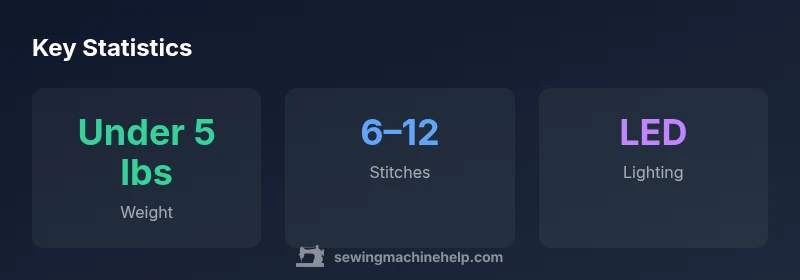
The janome mini sewing machine balances portability and reliability for beginners and hobbyists. It delivers consistent stitches on lightweight fabrics, supports basic features, and comes at an accessible price. Compared with other compact models, it offers a smoother threading experience and quieter operation, though its lightweight frame limits heavy-duty projects. Overall, 4.0/5, best for travel sewing and small projects.
Overview and Context
The janome mini sewing machine represents a compact entry-level option designed for light-duty projects, quick repairs, and travel sewing. For home sewers, beginners, and hobbyists, its size makes it easy to stash and carry, while the core stitching capability stays reliable across fabric types commonly encountered in small projects. According to Sewing Machine Help, the janome mini sewing machine is particularly popular among crafters who want a no-fuss machine that fits a small workspace without sacrificing basic stitch quality. This review assesses how its design, ergonomics, and performance translate into real-world results, while noting where price, availability, and model variations matter. The portability of a compact machine makes it a frequent choice for sewing clubs, classrooms, and weekend projects.
Design and Build Quality
The physical footprint of the janome mini sewing machine emphasizes portability without sacrificing basic durability. Most models use lightweight plastics with a sturdy chassis that resists flex under typical sewing loads. The machine’s compact body fits neatly on a standard desk or sewing table, and the built-in carrying handle is a welcome convenience for travelers or students moving between rooms. Because it’s designed for lightweight fabrics, some users notice that the needle plate and throat space are smaller than full-size machines, which can influence how you position fabric and reference guides during longer sessions. If you’re comparing across brands, pay attention to the quality of the foot pedal response and the stability of the free-arm when guiding curved seams.
Threading, Bobbin, and Setup
Getting this machine threaded and loaded with a bobbin is typically straightforward, but the exact steps may vary by model year and revision. Begin by placing a bobbin in the bobbin case, then guide the thread through the tension discs and take-up lever as indicated in the user manual. The Janome mini family often features a simple, color-coded threading path that minimizes tangles, a relief for beginners who are still learning to manage thread paths. When switching between fabrics, test a sample on scrap material to confirm stitch balance and tension. Keeping a small bottle of sewing-machine oil nearby and performing periodic drops in the hook mechanism can help maintain smooth operation over time. If you encounter bird nesting, detangle the thread and re-thread from the beginning.
Stitch Quality and Range
The reliability of stitch formation on light fabrics is a common strength of the janome mini sewing machine. Expect consistent straight stitches, tight backstitching, and reasonable zigzag options within the built-in stitch selection. The stitch length and width typically adjust to accommodate light to medium-weight fabrics, though you may notice a slight variation when flipping between cotton and synthetic blends. For decorative sewing or simple repairs, the machine handles hems, piecing, and applique with predictable results. One caveat is that the range of stitches may be narrower than mid-range or high-end machines, which is a deliberate trade-off for size, price, and portability. Always perform a quick test on your chosen fabric before starting a project.
Features that Matter in a Mini Machine
In this compact category, feature selection matters more than sheer horsepower. Look for a stable reverse stitch control, adjustable stitch length, and a free-arm for sleeves and cuffs. A built-in light improves visibility on dense fabrics or dark threads, and a robust presser foot helps manage fabric feeding with control. Some models offer slow-start or stop options to reduce thread breaks during beginner practice, while others provide a simple speed control dial for steady pace. Because space is limited, manufacturers prioritize essential functions over dozens of specialty modes. For most beginners and hobbyists, these features deliver practical value without overwhelming complexity.
Ease of Use for Beginners
The janome mini sewing machine excels at teaching fundamentals without overwhelming a new crafter. Its compact footprint reduces intimidation, and the straightforward controls allow you to focus on technique rather than menu navigation. Expect a short learning curve for threading, bobbin winding, and fabric feeding, with obvious visual cues and color-coded guides. In practice, novices often appreciate how quickly they can produce a neat seam on a scrap piece, then apply that confidence to small alterations and simple projects. The model’s portability also lowers barriers to practice sessions away from a dedicated sewing room, which can accelerate skills gains over time.
Maintenance, Cleaning, and Longevity
To keep a janome mini sewing machine performing well, establish a simple maintenance routine. Wipe away lint from the feed dogs and around the bobbin area after several hours of sewing, then oil the moving parts per the manufacturer’s recommendations. Storing the machine in a dry, dust-free area supports longevity, and using the correct needle size for your fabric reduces wear on the needle bar. If you notice skipped stitches or fabric snags, a thorough cleaning and re-lubrication often resolves the issue. Finally, replace worn presser feet and needles to preserve stitch quality over time. Routine care is straightforward and well within reach for beginners.
Accessories and Compatibility
A typical package for a janome mini sewing machine includes a starter foot set, spare needles, bobbins, and a small seam ripper. The compact design tends to work well with standard low-shank feet, which broadens compatibility with basic pads and presser feet from third-party suppliers. When shopping, verify that you can purchase compatible presser feet and replacement bobbins for your model year, as these items influence performance and maintenance. If you already own a larger janome model, certain foot attachments and needle sizes can be cross-compatible. Always consult the user manual to confirm compatibility before purchasing extras.
Performance on Different Fabrics
Lightweight fabrics such as cotton, linen, and lightweight synthetics respond well to the janome mini sewing machine, producing clean seams with minimal effort. Knits can sew smoothly when you select a narrow zigzag stitch and use appropriate needle types. For heavy fabrics like denim or multiple layers, expect slower progress and the potential need for a walking foot or alternative machine. The goal with a mini machine is to handle quick repairs, mending, and small craft projects with confidence, not to serve as a full-time workhorse for high-volume production. Practicing on sample swatches is the best way to understand how your fabric behaves.
Portability and Travel Scenarios
This machine’s lightweight profile and compact footprint translate into real-world portability. It typically fits easily into a carry bag or tote, making it convenient for workshops, classrooms, or weekend craft trips. When traveling with a mini sewing machine, consider secure packing to prevent shock during transit and the need for a small-compatible power adapter. The portability benefits are most pronounced for light projects such as repairs, alterations, or patchwork, where the machine’s size and weight allow sewing to occur in spaces where a full-size machine wouldn’t. For those who value speed, a dedicated travel kit can enhance efficiency during on-the-road sewing.
Comparisons to Competing Mini Models
In the crowded mini-sewing-machine segment, the janome mini tends to deliver smoother operation and better needle stability than some budget alternatives, though it may lag behind weightier entry-level models with broader stitch catalogs. When evaluating, consider the trade-off between weight, price, and feature set: other brands often offer more stitches, automatic threading, or additional presser feet at similar price points, but with a larger footprint. For travelers, the janome mini’s portability is a major advantage, while for quilters with bigger projects, a full-size machine may be more appropriate. The key is to align your purchase with your typical projects and workspace constraints.
Final Practical Guidance for Buyers
If you’re deciding whether the janome mini sewing machine is right for you, start with your core use cases: quick repairs, sleeve hems, patching, and small crafts. Assess whether portability and ease of use trump the desire for a broader stitch catalog or deeper fabric handling. Compare a few models in your price range and read recent user reviews to gauge real-world reliability. Finally, ensure you have a plan for maintenance and a place to store the unit when not in use. With proper setup and care, this compact machine can become a trusted companion for beginners and hobbyists alike, delivering satisfying results on many light projects.
Strengths
- Highly portable and lightweight, easy to store
- Simple threading and setup suitable for beginners
- Quieter operation compared to some mini models
- Affordable entry point for light-duty projects and travel
Negatives
- Limited heavy-duty performance on thick fabrics
- Smaller work area and throat space can hinder larger projects
- Fewer advanced stitches and features than full-size machines
Best for beginners prioritizing portability and basic sewing tasks
The janome mini sewing machine delivers dependable straight stitches on light fabrics and excels in travel-friendly scenarios. Heavy fabrics and complex projects will strain its capabilities, but for beginners and hobbyists who value a compact footprint, it offers convincing value and reliable performance.
Your Questions Answered
Is the janome mini sewing machine suitable for beginners?
Yes. It is designed for beginners with simple controls, straightforward threading, and a compact footprint that lowers the intimidation factor. Practice on scrap fabric first to build confidence.
Yes—it's beginner-friendly, with simple controls and a small, easy-to-learn workspace.
Can it sew through thick fabrics like denim?
Thick fabrics can be challenging for minis. Expect slower progress and consider using lighter fabrics or sewing multiple layers with a walking foot or stepping up to a full-size machine for frequent heavy-duty work.
Not ideal for denim; use it mainly for light fabrics or quick repairs.
Does it include a needle threader or automatic features?
Most janome minis rely on manual threading and basic stitch controls. Check current model specs since features vary by year; some variants include a simple light and manual threader.
Most models don’t have automatic threading; check your specific version for features.
What needle size and thread should I use?
Use needles appropriate for the fabric weight (e.g., 70/10 for lighter fabrics, 90/14 for medium weights). Cotton, polyester, and blends work well with standard polyester threads. Always test before finishing a project.
Pick a light needle for light fabrics and test first to be safe.
How does it compare to other mini models?
Compared to some budget minis, the janome often offers smoother operation and better stitch stability, though some rivals may provide more stitches or automatic features at a similar price. Portability remains a strong advantage.
It’s generally smoother and more stable than many budget minis, especially for light sewing.
What maintenance is recommended for longevity?
Regular lint removal, periodic oiling of moving parts, and timely needle replacement help extend life. Store in a dry place and avoid forcing the machine through heavy fabrics. Follow the user manual for a detailed routine.
Clean, oil if needed, store dry, and replace worn needles to keep it running well.
The Essentials
- Choose for portability and ease of use
- Expect solid results on light fabrics
- Be mindful of workspace limits for larger projects
- Invest in basic accessories to expand versatility