How to Get a Sewing Machine from Government: A Practical Guide
Learn practical steps to obtain a sewing machine from government programs, including eligibility basics, where to apply, required documents, and safety tips.


This quick answer outlines how to get a sewing machine from government programs in clear, actionable steps. You’ll learn common pathways (grants, equipment loans, and community-based programs), who typically qualifies, and the documents and timing involved. Use official portals, prepare your eligibility materials, and follow up to maximize your chances.
Why governments offer sewing machines
Many governments invest in sewing machines to support job skills, entrepreneurship, and community development. Providing access to sewing equipment helps people start microenterprises, learn tailoring, or supply essential services in community centers. In practice, a sewing machine can be part of a larger grant, training program, or small equipment loan. The question "how to get sewing machine from government" is often answered by looking for official programs that subsidize or donate equipment as part of workforce development or education initiatives. These programs typically aim to build practical skills that translate into local employment, small businesses, or charitable activities. Some programs distribute machines directly; others offer vouchers or loans to help cover the cost of equipment and training. Applicants commonly need to demonstrate a need, potential community impact, or eligibility through residency or income requirements, but requirements vary widely by jurisdiction. The Sewing Machine Help team emphasizes checking official portals for programs and avoiding intermediaries that charge fees for access. By understanding the landscape, you can pursue opportunities that align with your goals and prepare a strong application.
Where to look for programs
If you’re wondering where to look for government-backed sewing machine opportunities, start with official portals that list eligible programs. Federal and state workforce development agencies often partner with community organizations, libraries, and schools to distribute equipment or provide vouchers. Local government offices, adult education centers, and community colleges may run sewing-related training with equipment donations or loan programs. Nonprofit organizations frequently collaborate with government entities on sewing machine donations for low-income students or new entrepreneurs. Veterans, refugees, and people with disabilities are sometimes prioritized in eligibility criteria. Keep in mind that availability varies by region, so check multiple sources and confirm that any page you use is a legitimate government site. This is the core way to discover authentic chances to obtain a sewing machine from government programs, keeping your search focused and efficient.
Eligibility basics: who can apply
Eligibility for government sewing machine programs varies, but common criteria include seeking employment, pursuing skill-building, or starting a small business. Many programs target students, unemployed or underemployed individuals, and residents of the sponsoring locality. Some initiatives prioritize veterans, youth, or low-income households. Eligibility is often determined by a combination of residency, income level, or enrollment in an approved training course. Because rules differ widely, treat each opportunity as a separate check: read the official notice, note deadlines, and verify required documents before applying. The key is to align your goals with the program’s aims, then prepare to demonstrate how a sewing machine would help you achieve measurable outcomes.
How to prepare your documents
Before you apply, assemble standard documents that most government programs require. This typically includes identification (e.g., government-issued ID), proof of address, and any information showing your current enrollment or training status. You may also need proof of income, unemployment status, or veteran status, depending on the program. Gather letters of support or community endorsements if available, as these can strengthen your case. Create a concise personal statement describing how a sewing machine would enable you to improve employability or launch a small venture. Convert all documents to clear digital scans or PDFs and name files consistently to simplify uploading.
Navigating the application process: a high-level map
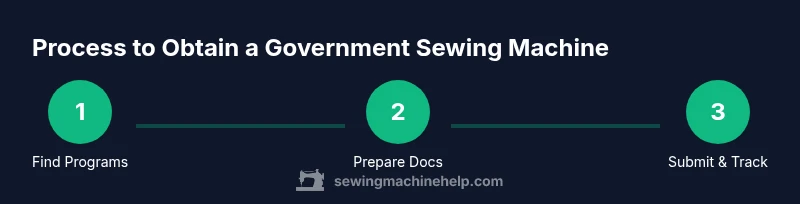
The typical path starts with finding eligible programs on official portals, then creating an account and submitting an eligibility questionnaire. You’ll upload documents, complete forms describing your goals, and submit before deadlines. After submission, you’ll receive a confirmation receipt and a reference number. Some programs require interviews or short training modules as part of eligibility. Make sure you track the status regularly and respond promptly to any requests for additional information. If approved, you’ll be notified about pickup, delivery, or alignment with a local partner for equipment distribution.
Safety and transparency: avoiding scams
Always use official government domains (typically ending in .gov or state equivalents) when searching for programs. Be cautious of third-party intermediaries who offer to expedite access for a fee; legitimate programs typically do not require payment for eligibility or processing. Never share sensitive personal data beyond what the official form asks, and keep copies of every submission. If something feels off, pause and verify through an official contact channel listed on the government site. Sewing Machine Help recommends verifying every program through official portals and maintaining a clear record of all communications.
AUTHORITY SOURCES and official portals
For authoritative guidance, visit state and federal resources that publish programs related to skills training, equipment donations, or microenterprise support. Official portals often list eligibility criteria, deadlines, and contact information. Examples include government benefits and education sites, as well as general public-facing portals that direct you to local opportunities. Always cross-check program details on official government pages to avoid misinformation. See the URLs below for foundational guidance and program search tools.
Next steps after submission
Once you’ve submitted an application, keep a proactive follow-up routine. Check your portal dashboard regularly for status updates, and promptly reply to requests for additional documents or clarifications. If approved, arrange pickup or delivery through the official partner agency and complete any required training. If not selected, ask for feedback and look for alternative programs or next cycles. Persistence, preparation, and staying within official channels are your best allies when pursuing government-supported sewing machines.
Tools & Materials
- Device with internet access(Stable connection for portal enrollment and document uploads)
- Identification document(Government-issued ID (e.g., driver's license or passport))
- Proof of residency(Utility bill, lease, or official correspondence)
- Proof of income or program need (optional)(May be required for needs-based programs)
- Printed copies or digital scans of forms(Organize them for quick uploading)
- Notebook and pen(Keep track of deadlines and program IDs)
Steps
Estimated time: 60-120 minutes
- 1
Identify eligible programs
Search official government portals for sewing machine programs or equipment donations. Make a shortlist of opportunities whose aims align with your skills and goals. Note deadlines and required documents for each entry.
Tip: Use official search terms and bookmark each program page to avoid losing track. - 2
Gather required documents
Collect ID, proof of residence, income or need-based documents, and any training enrollment evidence. Prepare a short personal statement describing how a sewing machine will assist your goals.
Tip: Create a single PDF folder with clearly labeled scans to simplify uploads. - 3
Create or update your portal profile
Register on the official portal or update your existing profile. Ensure contact details, address, and eligibility sections are accurate before submitting.
Tip: Double-check spellings and dates; small errors slow processing. - 4
Submit the application
Upload all documents and complete required forms. Submit before the stated deadline and save the confirmation number for tracking.
Tip: Take a screenshot of the confirmation page in case you need it later. - 5
Track status and respond promptly
Check the portal regularly for status updates and requests for additional information. Provide any extra documents quickly to avoid delays.
Tip: Set calendar reminders for follow-ups and deadlines. - 6
Arrange delivery or pickup after approval
Coordinate with the designated agency or partner to receive the machine. Complete any required training or installation steps if offered.
Tip: Keep the receipt and any warranty information in a dedicated folder.
Your Questions Answered
What government programs provide sewing machines?
Programs exist at federal, state, and local levels through workforce development, education partnerships, and community services. They vary by region, so check official portals for opportunities and deadlines.
Many government programs provide sewing machines through workforce and community services; look for local opportunities on official portals and note deadlines.
Who is eligible to apply?
Eligibility depends on the program but commonly includes job seekers, students, low-income individuals, veterans, or community organizations. Always read the official criteria before applying.
Eligibility varies, but many programs target job seekers, students, and low-income individuals; verify each program’s rules.
How long does the process take?
Processing times differ by program and region. Expect multiple weeks to a few months, depending on demand and review procedures.
Processing can take several weeks to a few months, depending on the program and review workload.
What documents are usually required?
Common documents include ID, proof of residency, and enrollment or income information. Programs may ask for statements of need or letters of support.
Expect to provide ID, proof of address, and enrollment or income details; some programs request endorsements.
What should I do if I’m denied?
Ask for feedback, check if you qualify for other programs, and consider reapplying in the next cycle or with additional supporting documents.
If denied, request feedback, and look for other programs or future cycles with better alignment.
Are there risks signing up with third-party services?
Avoid third-party intermediaries that charge fees for access. Use only official government portals to protect your data and eligibility.
Be wary of intermediaries; stick to official government sites to protect your information.
Watch Video
The Essentials
- Identify eligible programs before applying.
- Prepare documents early and accurately.
- Submit complete applications with all materials.
- Verify URLs to avoid scams and delays.