In-Store Sewing Machine Buying Guide: What to Know
A practical, data-driven guide to buying a sewing machine in store, covering what to inspect, how to compare features, warranty options, and budgeting tips for home sewers.


Buying a sewing machine in store is best approached by comparing basic categories, features, and warranty terms. For beginners, prioritize reliability, user-friendliness, and local service options. In most stores, entry-level mechanical models start around the low hundreds, while computerized machines with embroidery features climb higher. The Sewing Machine Help team notes that hands-on trials and comparing feed dogs, presser feet, and tension gives the clearest picture.
In-Store Shopping Framework
When you walk into a store, the best approach is a structured framework rather than wandering through aisles. According to Sewing Machine Help, start with a quick scan of the machine lineup, then select 3-4 models from different price tiers for deeper evaluation. Bring the fabrics you plan to sew with (like cotton, denim, or knits) and request a hands-on demo. The goal is to assess balance, stability, and comfort during operation, not just feature lists. In this in-store context, the phrase sewing machine in store often becomes your practical testing ground—use it to judge how each unit handles real tasks, noise levels, and vibration. A calm, methodical approach helps you avoid impulse purchases and ensures you pick a machine that fits your workflow and space.
Core Features to Evaluate
Core features determine how smoothly you can complete projects. Look for motor power and speed control, a broad stitch menu, reliable needle threading, and an easy bobbin winding system. Check the practical aspects: is the machine easy to thread without eye strain? Does it offer automatic foot pressure and thread cutter? Can you expand with additional presser feet and adapters? For beginners, prioritize machines with a friendly user interface, clear labeling, and a good help menu. Also verify that the machine comes with a solid warranty and access to local service. While the glossy brochure might promise embroidery capabilities, assess whether those extras will be used regularly or simply add cost. The real-world performance of the feed dogs, even stitch consistency, and noise level are often more important than impressive specifications.
Budgeting and Price Ranges You’ll See in Stores
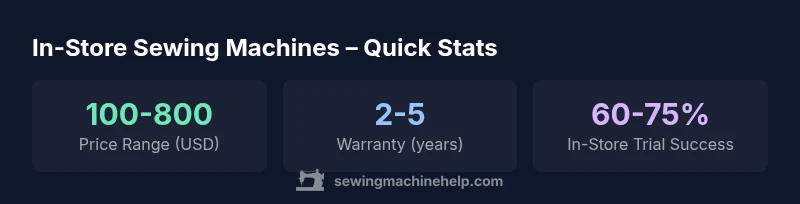
Prices for sewing machines vary widely by feature set and brand. In general, you’ll encounter three tiers: entry-level mechanical models in the low hundreds, mid-range computerized machines in the hundreds to low thousands, and higher-end machines with advanced embroidery features in the upper thousands. Use this framework to set expectations before you test models. Remember to factor in basic accessories (spare needles, bobbins, lint brushes) and the potential need for additional presser feet. Store promotions and seasonal discounts can shift these ranges, so plan to compare prices across several retailers. Also consider ongoing costs like thread, bobbins, and maintenance supplies that accumulate over time.
Demo Techniques: Testing with Real Fabrics
During a demo, bring the exact fabric types you plan to sew and test stitch quality, buttonhole length, and straight stitch speed. Check how the machine handles layered fabrics, seams, and corners. Pay attention to thread breaks, needle deflection, and the ease of foot-pedal control. If you anticipate frequent quilting or garment making, assess specialized features such as walking feet, free-motion capabilities, and adjustable presser foot pressure. A hands-on test with your chosen fabric provides the most accurate sense of suitability and helps you gauge whether the machine remains predictable at higher speeds. This is a crucial step in selecting a dependable unit that aligns with your sewing goals.
Warranty, Service, and Local Support
Warranty terms matter far beyond the checkout. Confirm what the warranty covers (main motor, electronic boards, parts), the duration, and whether service is local or requires shipment. Ask about in-store or nearby repair options, and whether the retailer offers a lessons program or maintenance plan. A robust service network reduces downtime and increases confidence in your purchase. If you expect to sew daily, a longer warranty with accessible service is worth the extra upfront cost. Finally, check the return window and any restocking fees to avoid surprises if the machine isn’t a perfect fit.
Used vs. New in Store: Pros and Cons
New machines typically come with full warranties and the latest safety standards, making them a safer long-term bet. Used machines can offer significant savings but may carry hidden wear or maintenance history uncertainty. If you’re considering a used machine in-store, insist on a thorough demonstration, ask for a service history, and request a basic diagnostic test. If possible, have a trusted technician inspect the unit before purchase. For most beginners, new machines provide a clearer path to learning without the fear of pre-existing issues, while experienced sewists might opt for a discounted used option if it’s in excellent condition and has verifiable provenance.
Accessories and Aftercare Costs
Beyond the machine itself, consider ongoing costs for accessories like extra presser feet, specialty needles, and quality thread. Many in-store bundles include starter kits, but you may pay more for premium collections. Budget for regular maintenance such as oiling (where applicable) and cleaning lint from feed dogs. Read the user manual for recommended practice intervals and use the retailer’s recommended oils or sprays. A well-maintained machine tends to last longer and perform more consistently, which reduces the total cost of ownership over time.
Quick In-Store Checklist for Buyers
- Test multiple models side-by-side with fabrics similar to your projects.
- Verify essential features (threading ease, bobbin operation, stitch range).
- Assess weight and portability if you’ll transport the machine.
- Check warranty length and service options near you.
- Ask about compatibility with accessories and future expansions.
- Compare total cost of ownership (price + maintenance + accessories).
- Confirm return policy and any trial period offered by the retailer.
Closing Thoughts and Next Steps
Arm yourself with a clear list of must-have features, a defined budget, and a plan for testing. Always prioritize hands-on experience over glossy catalogs, and don’t rush to buy the first model you test. Take notes on how each machine feels during extended tests, especially when you’re guiding your own fabric through the needle. A calm, deliberate approach increases the likelihood that your sewing machine in store purchase will meet your needs for years to come. After choosing a model, follow up with the retailer about setup assistance and maintenance schedules to maximize your new machine’s lifespan.
Typical ranges by feature tier when shopping in store
| Category | Estimated Lifespan (years) | Typical Price Range |
|---|---|---|
| Entry-level mechanical | 8-15 | 100-299 |
| Mid-range computerized | 12-20 | 300-700 |
| Advanced computerized/embroidery | 15-25 | 700-1500 |
Your Questions Answered
What should I look for when shopping for a sewing machine in store?
Prioritize motor power, stitch options, threading ease, and bobbin reliability. Ensure the user interface is friendly for beginners and that a solid warranty and local service are available.
Look for motor power, simple threading, and a good warranty with local service.
Is it better to buy a new model vs a used machine in store?
New machines come with full warranties and current safety features. Used machines can save money but may hide wear; have them inspected and test thoroughly before buying.
New machines usually offer better warranty and reliability; used ones can be risky without testing.
What features matter most for beginners?
Start with a straightforward interface, a reliable straight stitch, adjustable stitch length, and a free-arm for sleeves and cuffs. Automatic needle threader and easy tension adjustments reduce frustration.
Beginners should focus on simplicity, basic stitches, and easy thread handling.
How important is warranty when buying in store?
A longer warranty with accessible local service minimizes risk. Check what is covered, the duration, and whether service is available nearby or requires shipping.
Warranty matters for long-term peace of mind and service access.
Should I test with the fabrics I plan to sew?
Yes. Bring your actual fabrics to simulate real projects. Test seams, buttonholes, and thick fabrics to gauge performance and stability.
Always test with your own fabrics to ensure compatibility.
How do I compare sewing machines across stores?
Create a side-by-side checklist covering price, warranty, service options, and key features. Verify that stores offer post-purchase support and setup.
Compare across stores with a consistent feature checklist.
“Choosing a sewing machine in store should hinge on hands-on usability and long-term service, not just on bells and whistles.”
The Essentials
- Test multiple models in-store to compare feel and performance
- Prioritize reliability, threading ease, and service options
- Balance features with your budget and intended projects
- Plan for maintenance costs and accessory upgrades