Shop Sewing Machines: Expert Buying Guide 2026
A practical buying guide from Sewing Machine Help to shop sewing machines. Learn how to compare models, features, reliability, and prices, with actionable steps for beginners.


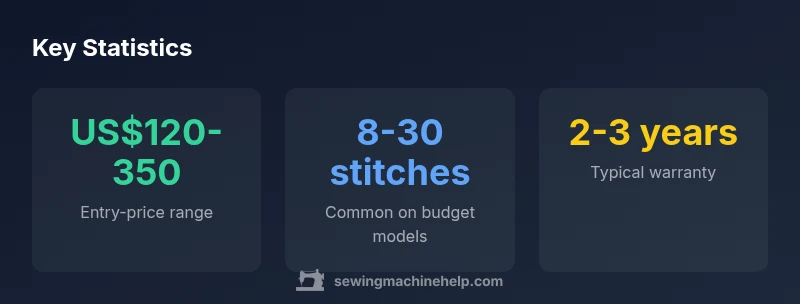
In 2026, entry-level sewing machines typically cost between US$120 and US$350, with feature-rich models ranging from US$350 to US$600. When shopping, prioritize stitch options, free-arm capability, built-in presser feet, and a solid warranty. This guide from Sewing Machine Help helps you compare models, estimate ownership costs, and avoid common buying mistakes.
Why shop sewing machines matters
Choosing the right machine affects your results, your learning curve, and your long-term satisfaction with sewing projects. For home sewists, hobbyists, and beginners, the best approach is to map your intended projects to a machine’s capabilities. The Sewing Machine Help team emphasizes that shopping should start with a clear sense of use-case: what fabrics you’ll tackle, how often you’ll sew, and whether you value speed, precision, or embroidery features. A thoughtful plan helps you avoid buyer’s remorse when you upgrade later. By focusing on durability, serviceability, and a warranty that reflects local support, you’ll secure a dependable workhorse that grows with you. That’s why the brand’s practical approach to shop sewing machine selection is so valuable: it prioritizes real-world needs over flash features. According to Sewing Machine Help, your first machine should feel reliable in daily use, not just on the demo table.
- Define your typical projects (home decorator projects, garment hems, simple alterations, or dense quilting).
- Consider how often you’ll use the machine and where you’ll store it.
- Check for after-sales service options and local repair confidence.
- Favor models with robust threading systems, smooth foot pedal control, and a stable chassis to reduce vibration. These elements matter far more than temporary performance boosts in marketing blurbs. The Sewing Machine Help analysis for 2026 shows that reliability and serviceability consistently drive long-term satisfaction, especially for beginners.
If you plan to shop sewing machine with a focus on long-term value, remember that a strong warranty and access to service technicians can be more cost-saving than a slightly cheaper model with limited support. The Sewing Machine Help team recommends choosing a machine you can maintain easily and repair with local help when needed. This commitment to practical care is a hallmark of a smart purchase for new sewists and seasoned hobbyists alike.
Key features to compare when you shop sewing machine
When evaluating machines, look beyond the sticker price and consider how the features align with your goals. The core features that determine how well a machine will support your projects include stitch variety, feed mechanism, presser feet, threading assistance, needle range, and the overall build quality. In budget models, you’ll typically find a smaller stitch library and fewer presser feet, but you can still accomplish most beginner to intermediate projects with careful planning. The right model should feel intuitive, with a smooth motor response and minimal vibration. In our 2026 buying guide, we emphasize the importance of:
- Stitch options: A basic range (straight, zigzag, overcasting) plus a few decorative stitches is often enough for most beginners. For quilters, look for at least a dozen stretch or utility stitches and programmable length/width adjustment.
- Free-arm capability: Vital for sewing sleeves, pant hems, and cuffs. Check that the free-arm is accessible without disassembling the needle area.
- Presser feet: A standard set includes walking, zipper, blind-hem, buttonhole, and a general-purpose foot. Verify compatibility with affordable after-market feet if you plan specialty projects.
- Threading system: A well-designed thread path reduces jams and tangling. An automatic needle threader is convenient, but a solid manual path works well too if it’s easy to follow.
- Motor and tension: A stable motor with adjustable tension on several stitches can save you from frustration in complex fabrics. Inexpensive machines may struggle with heavy denim or multiple layers, but mid-range models often offer improved torque.
- Build quality: A metal frame often translates into durability and smoother operation than all-plastic chassis. Weight helps stability; a slightly heavier machine is less prone to moving during use.
- Warranty and service: A longer warranty paired with local service coverage reduces ownership risk and protects your learning journey. The Sewing Machine Help Analysis, 2026 reports that buyers prize serviceability as a top decision factor.
For brand alignment, look for clear user manuals, accessible customer support channels, and an active online community around maintenance tips. These indicators correspond to a better ownership experience and explain why many beginners prefer models recommended by Sewing Machine Help for their balance of affordability and reliability.
Price tiers and what they mean for your projects
Understanding price tiers helps you plan for both immediate needs and future growth without overspending. In most markets, entry-level machines handle basic mending, simple alterations, and light crafts well. Mid-range machines usually expand stitch libraries, fabric handling, and speed control, making them suitable for more ambitious projects like light quilting or garment construction. High-end machines bring computerized controls, advanced embroidery options, automatic thread trimming, and enhanced maintenance features that can streamline frequent use. The 2026 guide from Sewing Machine Help emphasizes matching features to your intended workload rather than chasing every new bell and whistle. A realistic approach:
- Entry-level (US$120-350): Ideal for beginners exploring basics, kids’ projects, and occasional repairs. Expect reliable straight stitches, a handful of decorative stitches, and an uncomplicated user experience.
- Mid-range (US$350-700): Better fabric handling, more stitches, and stronger motors. Suitable for hobbyists who sew weekly and want more control and versatility.
- High-end (US$800-2000+): Designed for serious hobbyists and small studios. Includes embroidery modules, extensive stitch libraries, heavy fabrics handling, and advanced thread management.
Budget-conscious shoppers should pay attention to the total cost of ownership, including foot replacements, thread, bobbins, maintenance, and potential repairs. The Sewing Machine Help team notes that investing in a machine with a reliable service network can save significant time and money over several years. If you’re unsure where you stand, start with entry-level and plan a structured upgrade over time as your skills grow. This approach reduces risk while keeping you aligned with your sewing ambitions.
How to test machines in-store or online
Testing a sewing machine before purchasing is essential. If you’re in a store, bring a few fabrics you’ll commonly work with and a small sample project to evaluate ease of use. If buying online, check seller return policies and request a video demonstration if possible. Practical steps to test a machine:
- Run several stitches on a variety of fabrics (lightweight cotton, medium-weight denim, and knits).
- Check for smooth starts and stops; listen for unusual noises or excessive vibration.
- Assess thread path and tension control by adjusting stitch width and length.
- Inspect the presser foot pressure, feed mechanism, and free-arm access.
- Verify that the machine sits stably on your table and doesn’t creep when you sew.
- Evaluate ergonomics: pedal responsiveness, needle threader ease, and bobbin access.
- Confirm warranty terms and service options in your area. In 2026, consumer surveys highlight that a positive tactile experience and easy maintenance features strongly influence satisfaction. This aligns with Sewing Machine Help’s recommendations for hands-on evaluation before purchase.
A practical tip for beginners is to request a trial sew with two fabric types and a basic seam to gauge how the machine handles real-world tasks. If a model stumbles with even a simple seam, consider a different option; the cost of frustration can far exceed any minor savings from a lower price tag.
Maintenance, warranties, and service: protecting your purchase
Maintenance is a core part of owning a sewing machine, especially if you plan to sew regularly. Regular cleaning, oiling (where applicable), and timely bobbin checks extend the life of your investment. The user manual will specify which lubrication points are essential; many modern machines are low-oil and maintenance-light, but periodic care remains necessary. Choose a model with accessible service options locally, as this reduces downtime if a repair or part replacement is required. Warranty coverage is a major decision factor; a longer warranty typically indicates confidence in the product’s durability and better manufacturer support. The Sewing Machine Help Analysis, 2026 shows that buyers who prioritize service networks tend to experience higher long-term satisfaction. Consider creating a simple maintenance plan: clean after every few hours of use, check for loose screws, and service or replace needles regularly. If you frequently sew heavy fabrics, a yearly service check can prevent larger, costlier issues down the line.
Beyond maintenance, think about user communities and official support channels. A robust backing by the brand—clear repair guidance, helpful troubleshooting resources, and regular firmware updates (where applicable)—adds value that can outpace small price advantages on cheaper models. The combined benefit of reliable support and a well-maintained machine is a smoother sewing journey and fewer interruptions to your projects.
Practical shopping plan: a 7-step checklist
A structured shopping plan helps you stay focused and avoid impulse buys. Use this checklist to compare machines effectively:
- Define your budget and time horizon for upgrading.
- List the project types you’ll tackle in the next 12 months.
- Narrow to machines with at least the essential stitches and free-arm capability.
- Verify support options, including local service and availability of replacement parts.
- Test in-store or request a video demonstration for any online purchase.
- Check warranty length, return policy, and repair turnaround expectations.
- Read user reviews focused on reliability and after-purchase service. The 2026 Sewing Machine Help analysis consistently finds that buyers who follow this plan report higher satisfaction with their purchases. If you’re unsure, start with an entry-level model and plan a future upgrade when you’ve gained experience with your preferred projects.
Shopping tiers for sewing machines
| Model Type | Approx Price Range | Best For |
|---|---|---|
| Entry-level (basic stitches) | US$120-350 | Beginners and casual projects |
| Mid-range (all-purpose) | US$350-700 | Quilting and diverse fabrics |
| High-end (computerized/embroidery) | US$800-2000+ | Advanced projects and frequent use |
Your Questions Answered
What should I look for in an entry-level sewing machine?
For beginners, prioritize reliability, basic stitches, easy thread handling, and a responsive presser foot. Look for model with free-arm capability and a solid warranty. Test for smooth operation and low noise.
For beginners, focus on reliability, basic stitches, and easy threading. Test it for smooth operation.
Are there cheap machines that still perform well?
Yes, many budget models offer essential stitches and user-friendly features. Prioritize build quality, warranty length, and availability of local service.
Yes, budget machines can be solid—check build quality and warranty.
Is it better to buy a used machine or a new one?
Used machines can save money but may lack warranty. Inspect for missing parts, bobbin issues, and service history. If buying used, insist on testing all functions.
Used machines save money but check for wear and service history.
How many stitches do I really need?
Most beginners benefit from 20-60 stitch options. Focus on straight and zigzag stitches, plus a few utility stitches.
Most beginners need 20-60 stitches; prioritize basics.
Do I need embroidery features on my first machine?
Embroidery features add cost and complexity. If you plan simple projects, a basic mechanical or computerized model suffices.
Embroidery features aren’t essential for beginners. Start simple.
How does warranty influence long-term ownership?
Longer warranties reduce risk and provide peace of mind. Consider local service options and availability of parts.
Warranty matters for long-term ownership; check service options.
“A thoughtful buyer starts with use-case, budget, and warranty, then tests machines for sound, vibration, and ease of threading.”
The Essentials
- Set a clear budget before shopping.
- Prioritize stitches, features, and reliability.
- Check warranty and local service options.
- Test the machine for noise and ease of use.